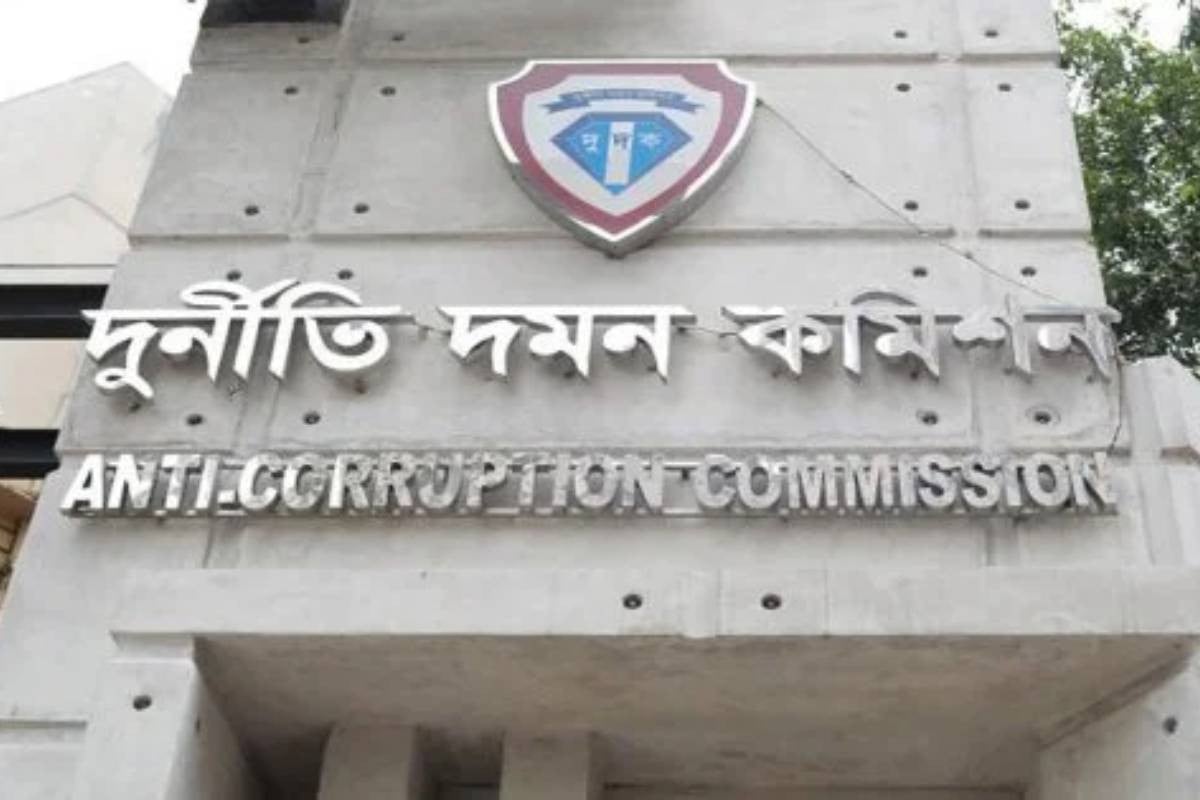
The Anti-Corruption Prevention Committees (ACPCs), civic bodies formed by the Anti-Corruption Commission (ACC), are set to be expanded to the union level to strengthen anti-corruption awareness and social resistance against corruption.
The initiative has been included in the proposed 2026–27 fiscal year budget for ACC operations.
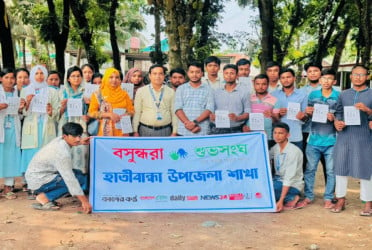
Officials said ACPCs currently operate at metropolitan, district, and upazila levels across the country. The planned expansion aims to extend their reach to the grassroots level, significantly broadening anti-corruption activities nationwide.
ACC officials and anti-corruption activists said the move is expected to increase public participation and strengthen awareness, while promoting integrity, ethics, and good governance.
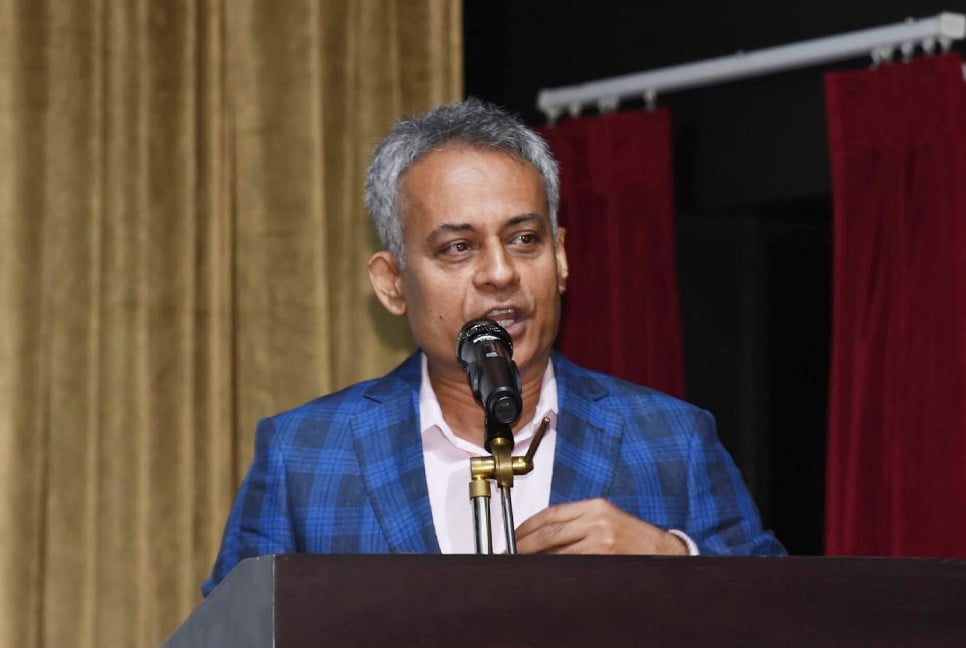
Transparency International Bangladesh Executive Director Iftekharuzzaman told BSS that the expansion is a positive step with potential to raise public awareness against corruption.
However, he stressed the need for an impartial review of earlier experiences before forming new committees.
“If a new structure is developed by learning from the weaknesses of previous initiatives, the chances of success will be much greater,” he said.
Under ACC guidelines, each union-level ACPC will have seven members, including a chairperson and at least one-third female representation. Members will be selected from honest, socially conscious, and volunteer-minded citizens.
The rules state that foreign nationals, elected representatives, government employees, active political party members, court-declared mentally unfit individuals, bankrupt persons, loan defaulters, and those convicted or accused of crimes will not be eligible for membership.
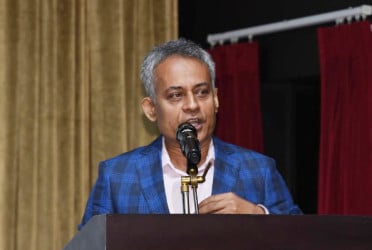
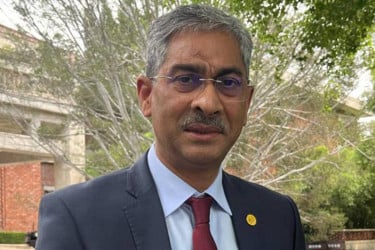
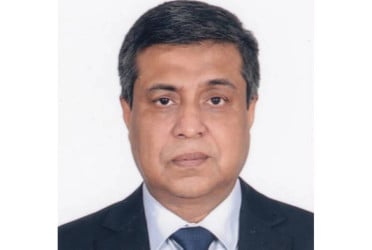
ACC Secretary Mohammad Khaled Rahim said punitive action alone is not enough to curb corruption.
He said the goal is to build awareness among grassroots communities by expanding preventive activities to the union level.
He added that combining enforcement with public awareness would make anti-corruption efforts more effective.
According to the ACC website, ACPCs currently have up to 13 members at the district and metropolitan levels and up to nine members at the upazila level.
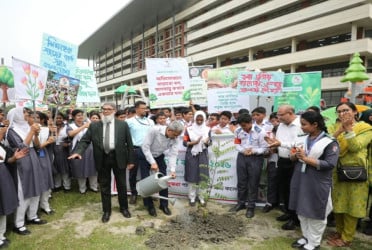
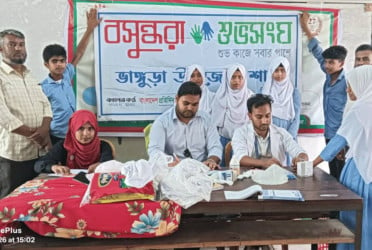
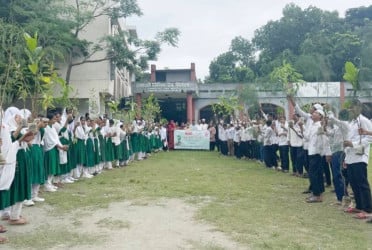
The committees regularly organize awareness activities, including discussion meetings, debates, rallies, human chains, seminars, dramas, and public outreach programs.
Data from 2025 shows more than 500 ACPCs were active nationwide, organizing over 1,500 discussion meetings, more than 1,000 debate competitions, and hundreds of rallies and awareness events.
Bd-pratidin English/ Jisan