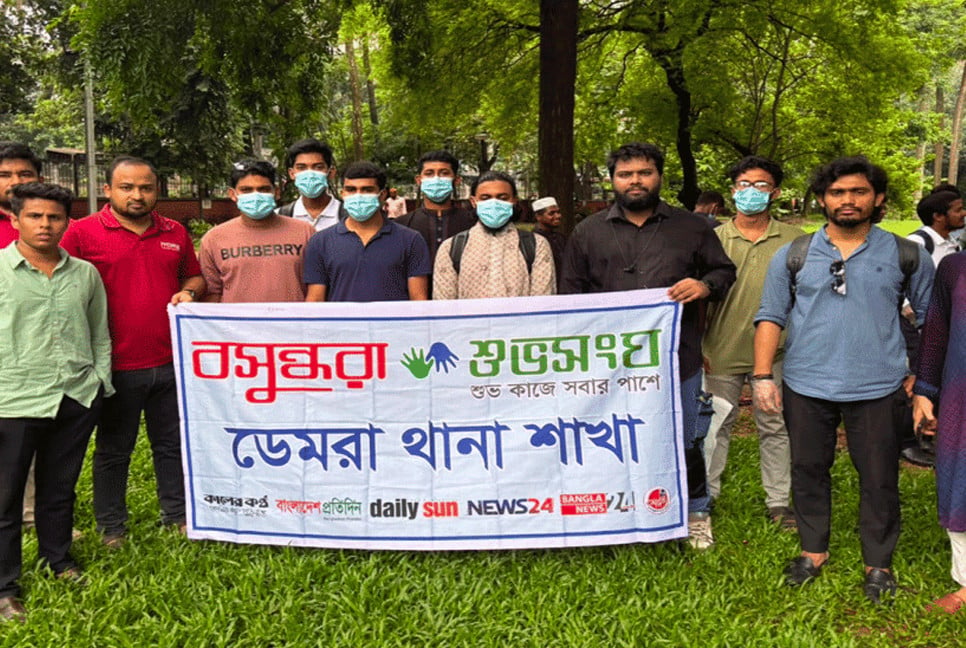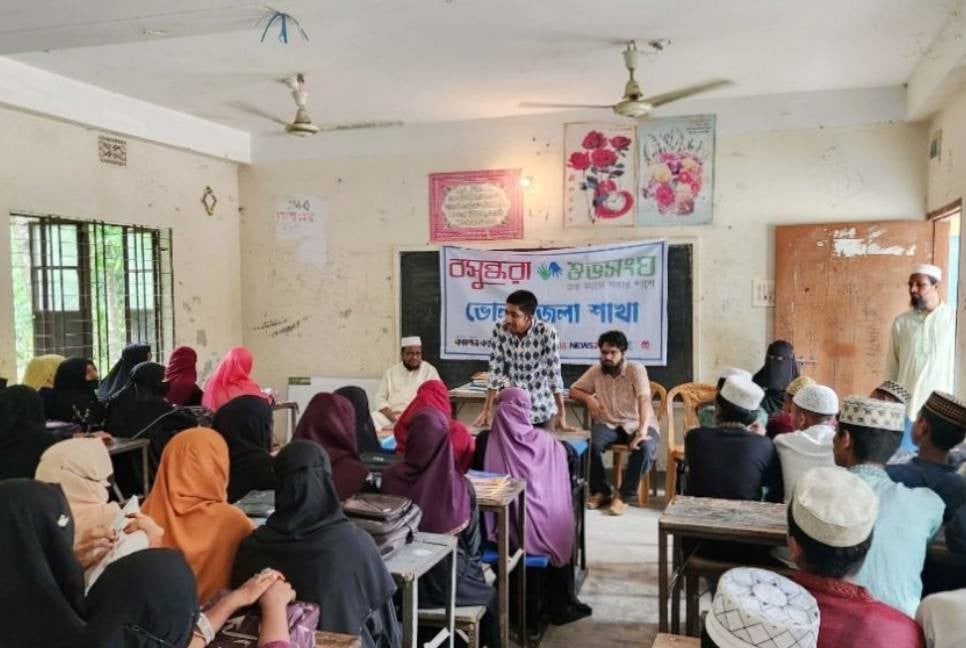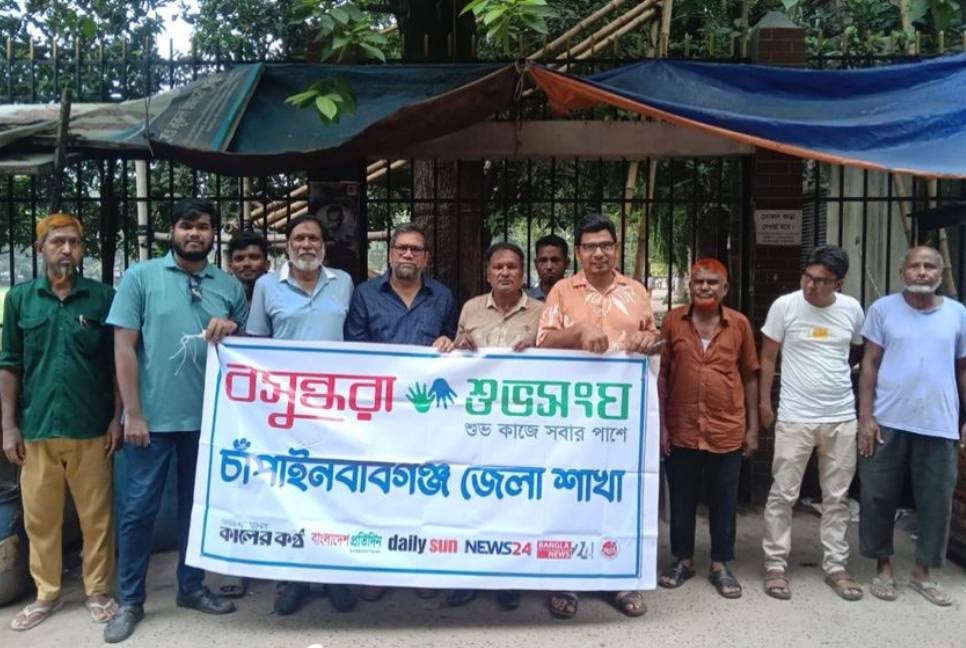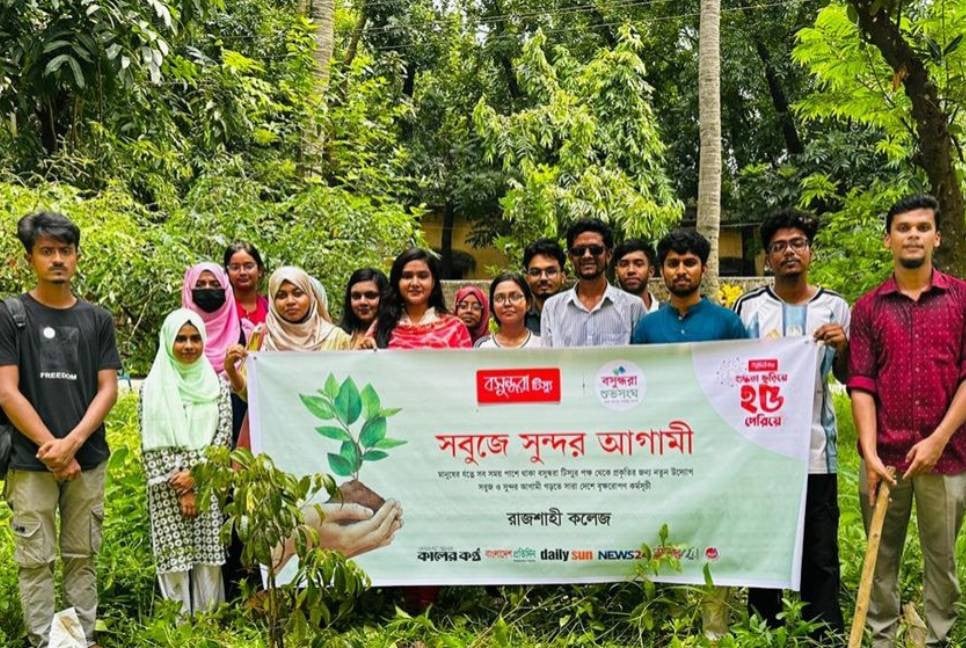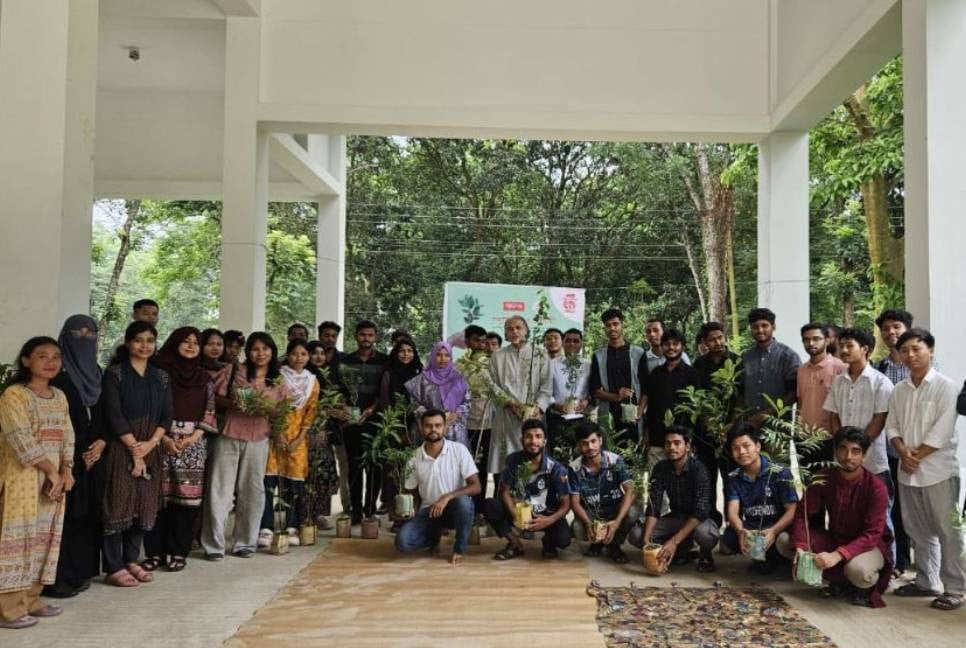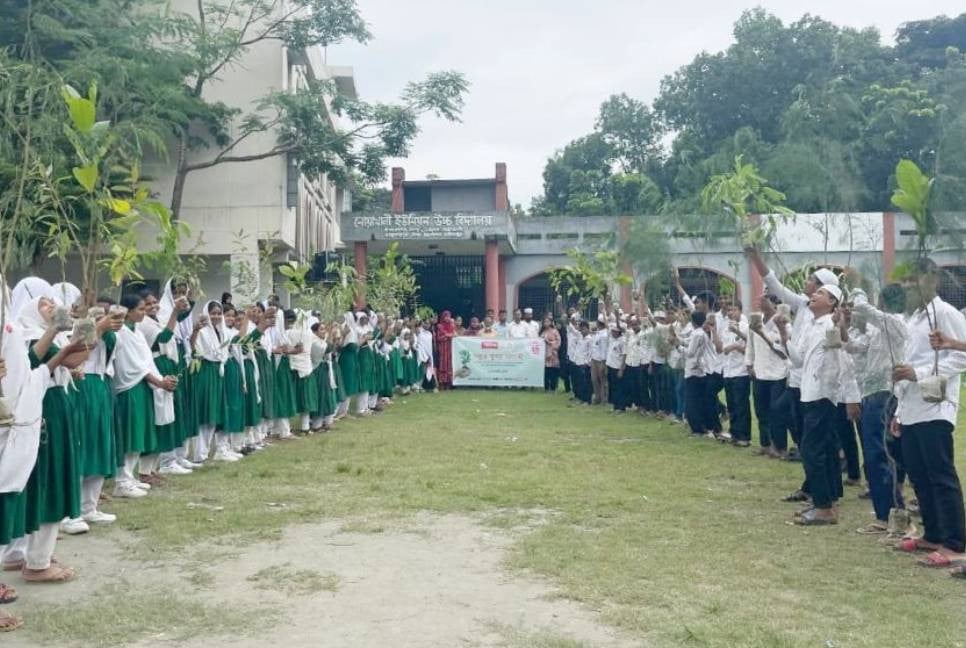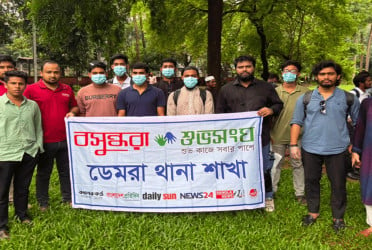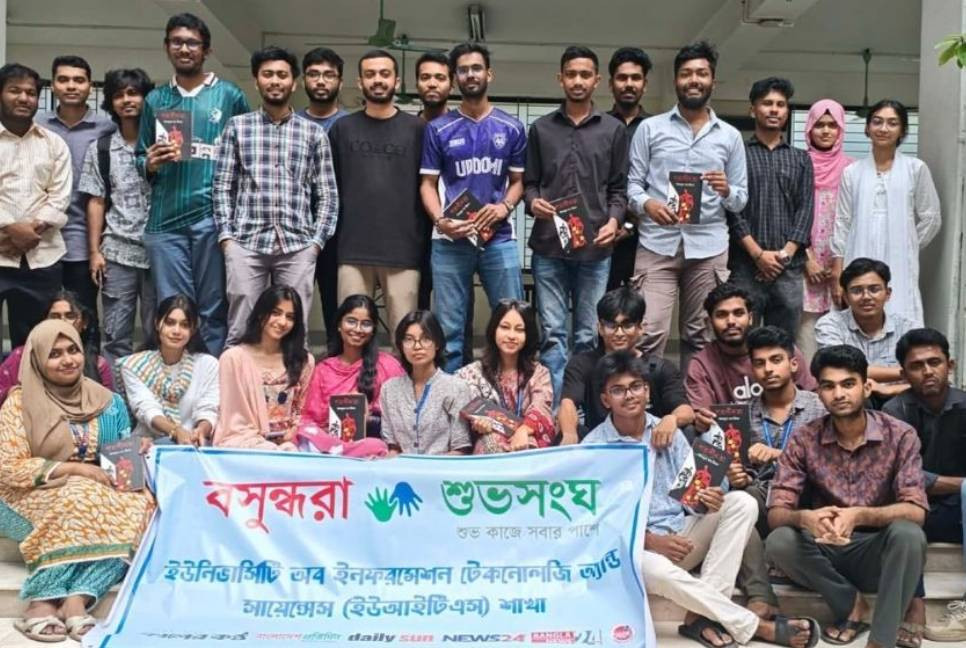
The University of Information Technology and Sciences (UITS) unit Bashundhara Shuvosangho organised a literary study circle on the campus on Tuesday.
To promote reading habits, literary practice, human values, and free thinking among students, the event focused on the widely acclaimed novel “Paradhinata” by renowned Bangladeshi author Imdadul Haque Milan.
Students from different departments of the university participated in the event.
During the study circle, participants analysed various aspects of the novel and said that “Paradhinata” is not merely a work of fiction; rather, it is a powerful depiction of the harsh realities of expatriate life, broken dreams, human struggle, and the relentless fight for survival.
They noted that the author has vividly portrayed, in a deeply realistic and emotional style, the suffering, loneliness, and exploitation faced by countless people who leave their homeland in search of a better life abroad.
The discussion also highlighted that Imdadul Haque Milan went to West Germany in pursuit of a better life in 1979 and lived there for nearly two years under extremely difficult and inhumane conditions.
Language barriers, cultural differences, uncertainty, and the struggle for survival deeply affected him. Drawing on these real-life experiences, he later returned to the country and wrote “Paradhinata”.
UITS unit Shuvosangho President AEM Fahim Hasan said that while the dream of going abroad is attractive to many, the reality is often harsh. For people from developing countries, especially those from poor and middle-class backgrounds, expatriate life is not always comfortable, he said.
“Uncertain futures, inhumane labour conditions, separation from family, and lack of social security constantly affect them. The novel ‘Paradhinata’ powerfully presents this reality,” Fahim added.
General Secretary Rohan said that after reading the book, they learned many aspects of expatriate life that are usually not visible from the outside.
He added that the younger generation should not limit themselves to social media or technology-based entertainment but should pay greater attention to literature, as it helps people think critically, understand reality, and develop human qualities.
Students of UITS said that the declining interest in reading among today’s youth is concerning.
They said a good book not only increases knowledge but also helps shape individuals into responsible, aware, and humane citizens.
In this regard, they highly appreciated such initiatives by Bashundhara Shuvosangho.
Members of Shuvosangho said that such study circles, discussions, and cultural programmes on important national and international literary works will continue in the future.
bd-pratidin/GR