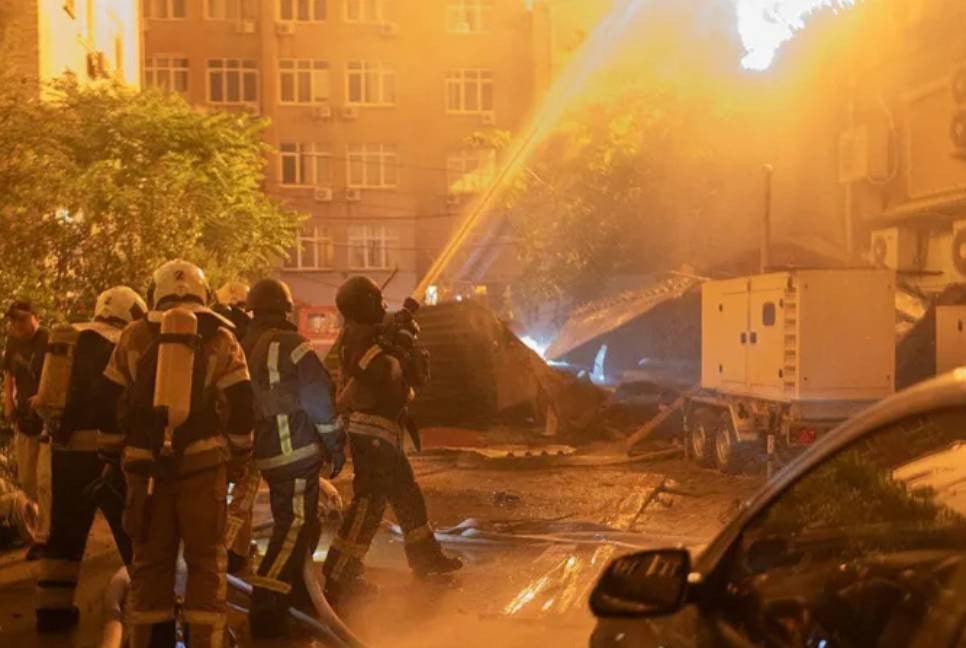
Doctors fear a severe medical crisis in Venezuela following the 24 June earthquakes that killed 2,295 and injured more than 11,000. Thousands of displaced survivors are living in crowded shelters without clean water.
Thousands of displaced Venezuelans are sleeping in crowded shelters or outside without access to clean water amid dismal sanitary conditions following the June 24 earthquakes, which officials say killed at least 2,295 and left more than 11,000 injured.
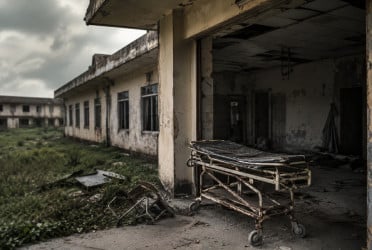
Aid workers have warned that the aftermath of the earthquakes has developed into a major medical crisis that, unless quickly brought under control, will claim more lives in the coming days and weeks. The emergency has exposed Venezuela's chronic shortage of doctors, the result of years of economic crisis, underfunding, and emigration.
“The issue we foresee just around the corner is the infections that patients who have been exposed to the disaster for the longest time might bring,” said Eugenio Cova, the head of the trauma unit at Hospital del Oeste Dr José Gregorio Hernández in Caracas, the capital. “We’ve already gone through a period of complex trauma, which will continue to occur, but now it’s complicated by infections."
Aid workers also warn that extensive damage to infrastructure could fuel disease outbreaks in the hardest-hit communities.
“It’s very hot, and there’s a lot of concern about potential vector-borne diseases,” said Veronique Durroux, the U.N. humanitarian agency spokesperson for Latin America and the Caribbean. “Waste management is an issue. Debris management, when you see the scale of devastation, it’s very concerning.”
Many who lived through the disaster were running desperately short on food.
As the death toll mounted, Venezuela's interim president Delcy Rodriguez declared seven days of mourning, saying the country's "soul is torn apart by the human losses."
Tens of thousands of people remain unaccounted for.
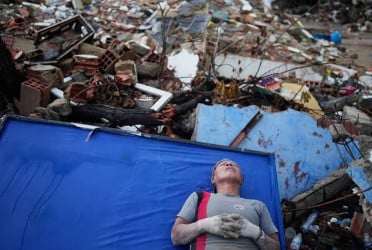
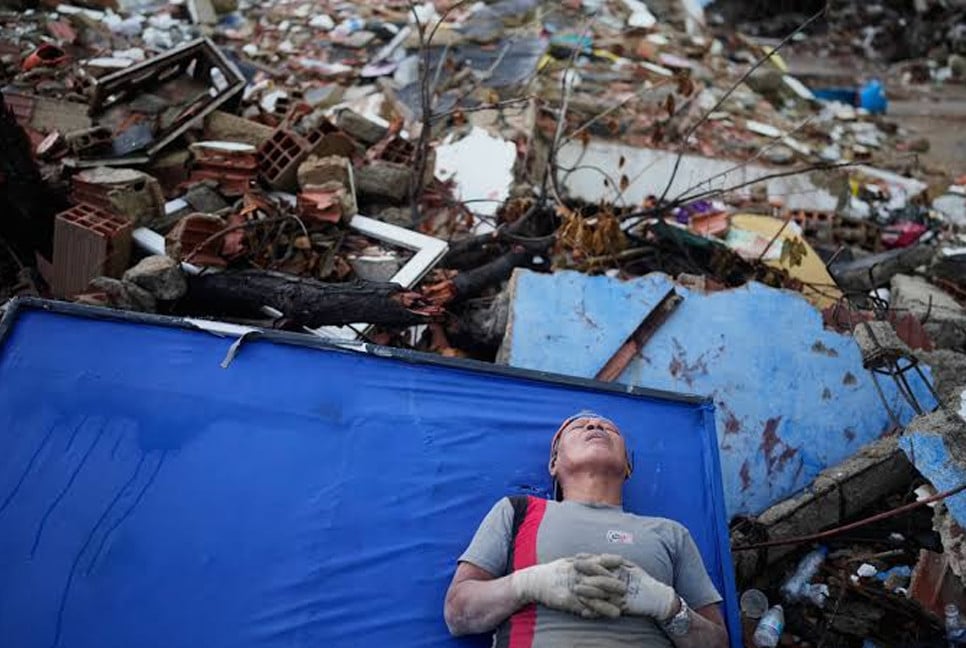
The majority of collapsed buildings in the hardest-hit city of La Guaira, just north of Caracas, have been marked with the letter 'D' for 'deceased' – a sign they had been searched and showed no signs of life.
"Time isn't wasted in a place where there is no expectation of recovering people alive," said Javier Rodes, the coordinator of a Spanish rescue team whose sniffer dog Nala searched in vain through the rubble for traces of life.
There have been miracle survivors, such as a three-year-old boy found alive Tuesday, six days after Venezuela's most powerful quake in over a century.
But experts say trapped victims are unlikely to survive more than 72 hours after an earthquake.
Venezuela's National Assembly President Jorge Rodriguez said that deaths had risen to 2,295, and more than 11,000 people were injured.
He said almost 13,000 people had been left homeless.
The United Nations estimates 50,000 people are missing.
Fears of disease outbreaks were also rising.
World Health Organization spokesman Christian Lindmeier said health services in Venezuela were under "extreme pressure."
"There's an increased risk now of outbreaks of vaccine-preventable diseases" such as measles and diphtheria, due to low pre-earthquake vaccination coverage, he said.
The UN refugee agency said it needed $14.9 million to scale up aid and temporary shelter for 30,000 people over six months.
The quakes likely damaged or destroyed 58,870 buildings, according to a preliminary assessment of satellite data published by NASA.
Source: Euro News, France 24
Bd-pratidin English/ ANI