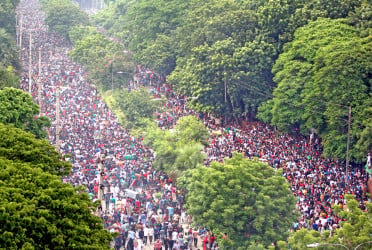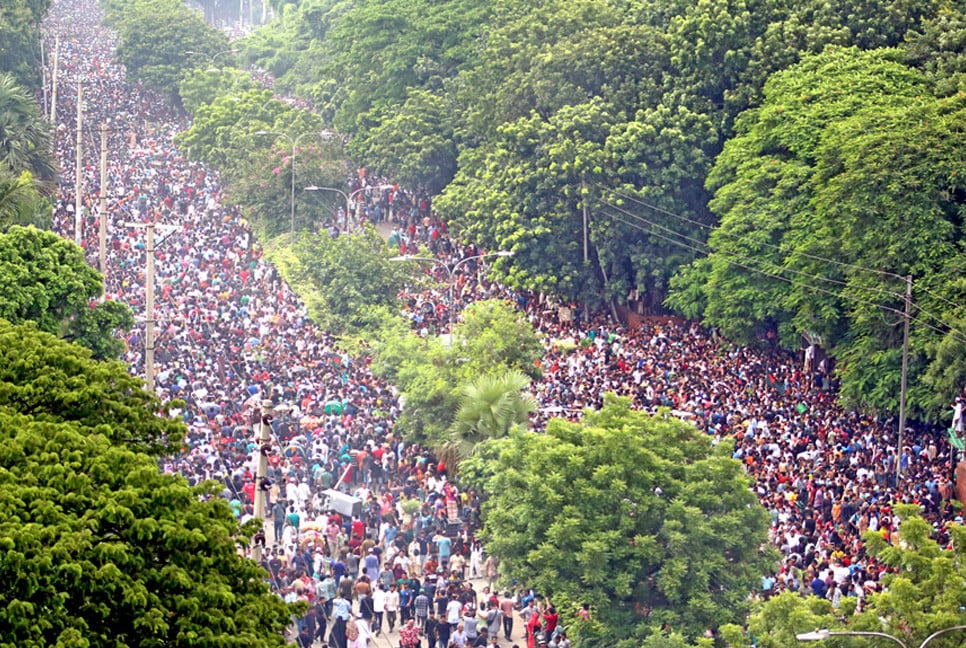
July 2024 stands as a unique month in the history of Bangladesh’s democracy. What began on July 1st as a movement demanding quota reform culminated in a full-scale mass uprising on August 5th. In reality, the quota reform movement was merely a catalyst. It quickly merged with the general public's profound desire for the establishment of fundamental rights, democracy, and human rights. Consequently, step by step, the quota protest transformed into a broader movement for the restoration of people's rights, drawing in citizens from all walks of life. This was no longer just an agitation by a few public university youths seeking an end to discrimination in government jobs; it became a defining struggle for the rights and liberation of the entire population of Bangladesh.
The movement achieved success when mothers and sisters left their homes to hit the streets. It reached fulfillment when students from private universities, colleges, and even schoolchildren stood bravely, chests bared, in the line of fire. This mass uprising succeeded because the masses took over the streets in roaring protest. Victory was finally sealed when the patriotic members of the Bangladesh Armed Forces expressed solidarity with the ordinary people's movement. Although the quota movement erupted in July, its seeds were sown long before. The genesis of this struggle trace back to when the provision for a non-partisan, neutral caretaker government was abolished—a time when the then-Chairperson of the BNP, Begum Khaleda Zia, initiated the resistance. The uncontested election of 2014, the "night-time voting" of 2018, and the dummy election of 2024 set the ultimate backdrop for this uprising. The arrest of Begum Zia, along with the detention and torture of hundreds of thousands of political activists, laid the very foundation. Eventually, it culminated in a massive public explosion.
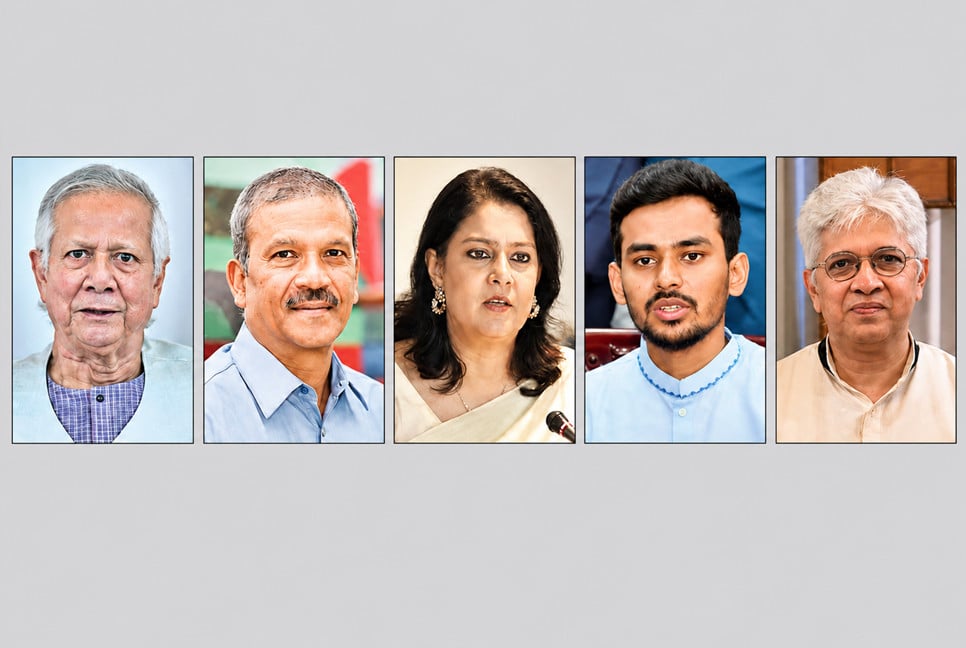
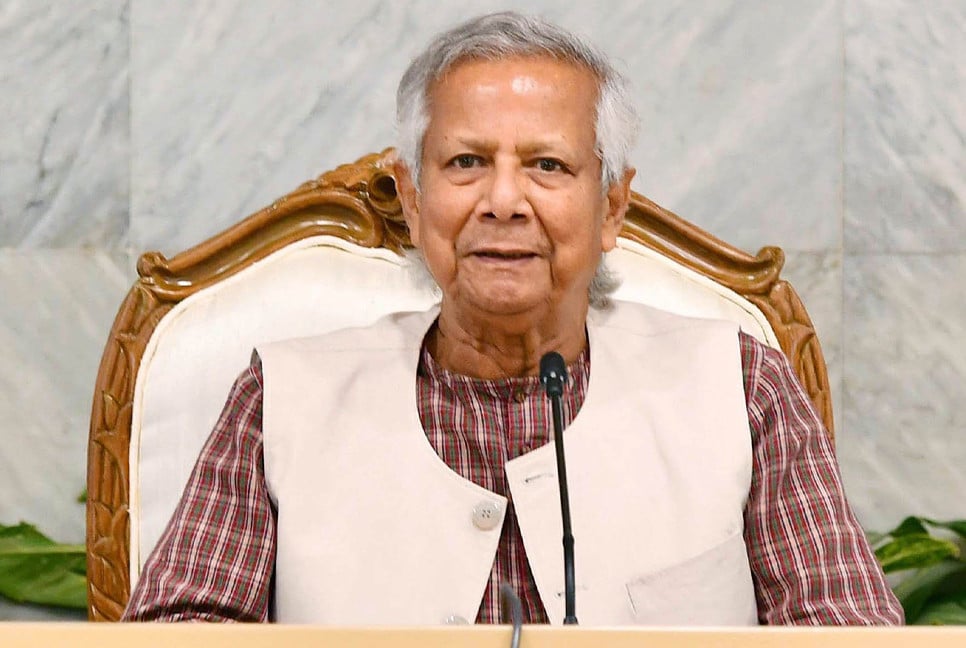
However, immediately following the July movement, a specific group hijacked the fruits of this victory for themselves. A handful of students, predominantly from Dhaka University, attempted to turn a cross-sectional public movement into their personal property. The mastermind behind this unwarranted orchestration was Dr. Yunus. Disregarding 15 years of continuous struggle, sacrifice, and martyrdom by the people of Bangladesh, Dr. Yunus handed over the entire harvest of the movement to a select coterie. Upon returning to the country from Paris on August 8, 2024, he declared the students as his "employers." Through this, the people's victory was effectively stolen. Yunus remained engrossed with only a few student leaders, using them as a shield to extract his own interests. Whenever anyone criticized Yunus, he would unleash these students against them. In this manner, he built a powerful syndicate centered around a few familiar faces of the July movement. This is precisely where the victory of July lost its way. Under Dr. Yunus’s calculated plotting, the dreams of the July movement began to fade, and the fearless street soldiers of the uprising were marginalized. Gradually, the core aspirations of July died out.
Yunus appointed three individuals who led the July movement as advisers. Notably, all three were students of Dhaka University. First and foremost, the decision to appoint students as advisers was a catastrophic blunder. Students had agitated to open the path toward democracy, but that did not mean they had to be made cabinet-level advisers. Had Yunus been a responsible guardian, he would have told the students, "You are our pride and joy. Now, return to your campuses, complete your education, and prepare yourselves to build the nation." Instead, Yunus exploited the students to sustain his long-term grip on power. Leaving their academic lives incomplete, he elevated them to advisers with the status of ministers. This marked the beginning of the ruin of the July movement.
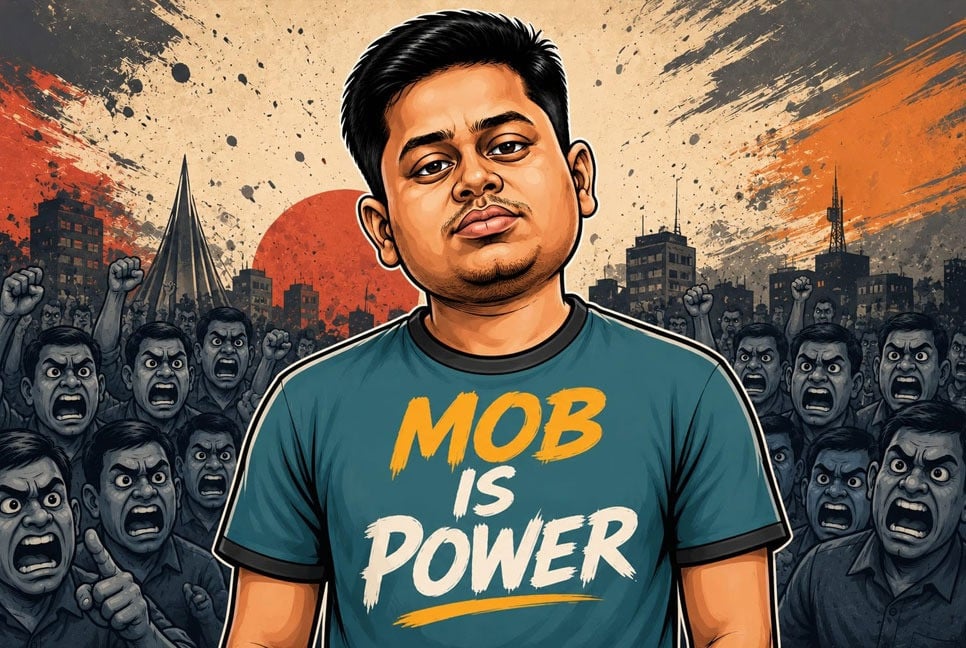
Even more tragic was that by appointing three advisers solely from Dhaka University, Yunus undermined the wider significance of the movement. The immense contributions of private universities and public universities outside Dhaka were completely ignored, and the sacrifices of millions of youth were dismissed. The victory of July was sold off to a tiny faction. While these students tasted the perks of power, they failed to comprehend its responsibility, quickly going astray. Once in power, they realized that making money was incredibly easy, and thus, "trading on July" began. Venturing out of educational institutions, these youths became obsessed with financial gain. They entered the Secretariat to run transfer-and-posting syndicates. Instead of studying, many focused on tender manipulation, while others resorted to extortion and filing retaliatory lawsuits. From businesspersons to police officers, and government officials to journalists—everyone was threatened with being accused in murder cases unless they paid up, triggering an absolute festival of extortion. Shutting down educational activities, some students went around commercial establishments leading "mobs" to extract hefty sums of money. The country plummeted into a state of total anarchy. The interim government under Dr. Yunus, along with Jamaat-e-Islami, indulged these unacceptable student actions to execute their own hidden agendas.
Yunus’s personal agenda was to feather his own nest. He got his taxes waived, had his legal cases withdrawn, and secured licenses for universities, recruiting agencies, and digital wallets. He indulged in lavish foreign trips at the expense of the state exchequer for personal public relations. Meanwhile, the student community—the conscience of the nation—was intoxicated by the desire to get rich quick. The entire scenario resembled a movie plot where the guards are drugged so that a robbery can take place; by throwing open the doors of plunder to the students, Yunus and his advisers began looting the country. Instead of nation-building, a competition of corruption among a few individuals began, destroying the potential of an entire generation. Yunus did not just harm the country; he ruined a generation.
To misguide the students and permanently entrench his power, Yunus used a handful of them to form the NCP (Nationalist Civic Party). This was essentially a "King's Party." This King's Party and Jamaat combined forces, using Dr. Yunus as a front, to orchestrate the final destruction of the spirit of July. Anyone who protested against Yunus's destructive actions was either threatened with mob violence or thrown into prison. Jamaat became a partner in this festival of anarchy to implement its own structural agenda, which was to dismantle the spirit of the Liberation War and capture state power from behind the scenes. Consequently, keeping the students at the forefront and endorsing their actions, Jamaat began vandalizing Liberation War monuments across the country and planting their own men throughout the administration and government bodies. In this manner, using the interim government as a shield, Jamaat attempted to take over the country. This explains why both Jamaat and the NCP consistently opposed holding elections. Because of these political maneuvers, the true objectives of the July movement were derailed.
During Yunus’s one-and-a-half-year tenure, even the actual number of casualties from the July movement was not properly determined. Many living individuals were added to the list of July martyrs, making a mockery of the entire process. The treatment of those injured during July became another arena of manipulation; media reports revealed that individuals suffering from unrelated ailments were listed as July victims to receive state allowances. Due to such rampant corruption and irregularities, the public's emotional connection to July began to wane. Conversely, a few individuals close to Yunus, operating under the guise of "July Warriors," suddenly hit a jackpot akin to Aladdin’s lamp. Their overnight accumulation of wealth became an eyesore to everyone. Youths who survived on private tuitions just a few days ago suddenly turned into multi-millionaires. Young men living in mess halls became owners of luxurious apartments in Gulshan and Baridhara. Students who used to walk everywhere began riding around in Prado SUVs. Witnessing this obscene display of sudden wealth, ordinary people became deeply resentful and disgusted. Following August 5, 2024, a new neo-class emerged whose sole source of income was commercializing the spirit of July. By trading on this sentiment, a new predatory class of looters was born, earning them notoriety as "neo-fascists."
The women who took to the streets for their rights in July did not receive them; instead, oppression against women has escalated.
The teachers who protested for a fair educational environment are now living in terror of mob violence.
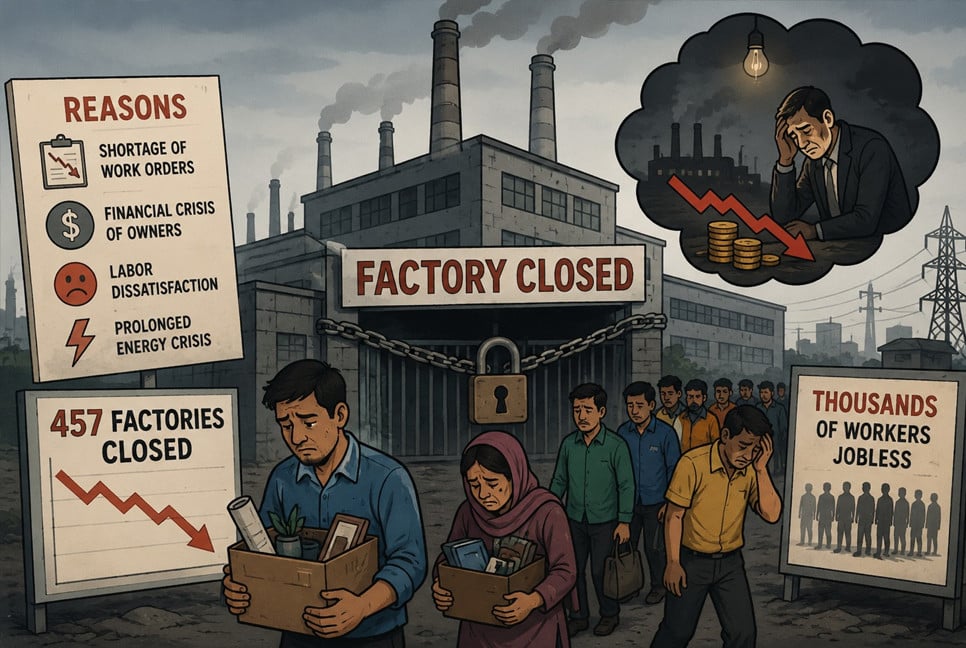
The business owners who hoped for an extortion-free, business-friendly environment are now on the verge of shutting down their enterprises.
The students who sought a proper learning environment now face an uncertain academic future.
Those who dreamed of freedom from discrimination are now victims of a new form of discrimination.
The journalists who hoped for the freedom of expression are now jobless and suffering from acute insecurity.
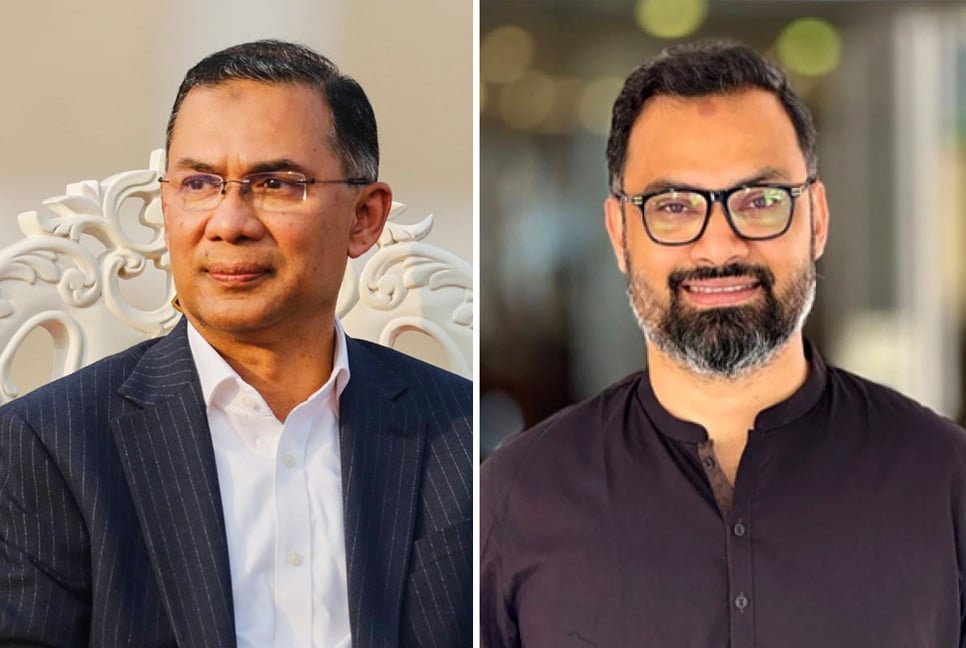
Thus, two years into the July movement, the country is filled with the pain of shattered dreams and stories of betrayal. The heavy sighs of disappointed citizens can be heard everywhere. However, the people of this country do not know how to lose, and they never fail to make the right choice when it matters. Consequently, they did not let Yunus’s conspiracy succeed. They successfully demanded an election to choose their preferred party. Under the leadership of Tarique Rahman, the BNP has now formed the government.
At present, the business surrounding the "July spirit" is facing a sharp decline. Within just four months, the current government is attempting to bring order back to the country. As a result, those who commercialized July are harboring deep resentment, issuing various threats to the government whenever they get an opportunity. Reassuringly, the government has not succumbed to these intimidations. The current administration must establish the rule of law, restore public confidence to revitalize the economy, and work toward building a discrimination-free Bangladesh. This is what the true spirit of July entails. Strict action must be taken against those who have turned into the country's new masters by selling out the July movement. The July uprising did not happen to alter the fortunes of a few select students; it happened to secure the collective aspiration for a better life for all ordinary citizens.
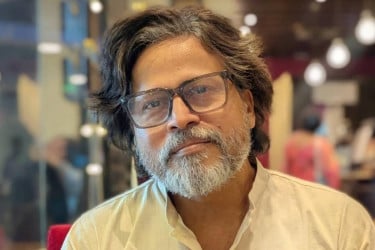
Audite Karim is a writer and playwright.
Email: [email protected]