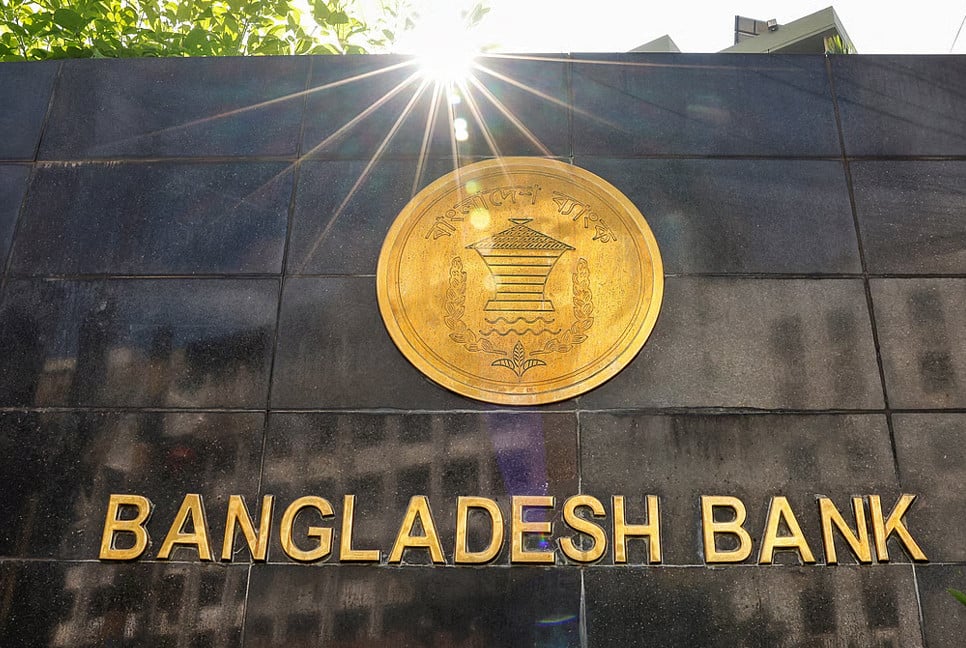
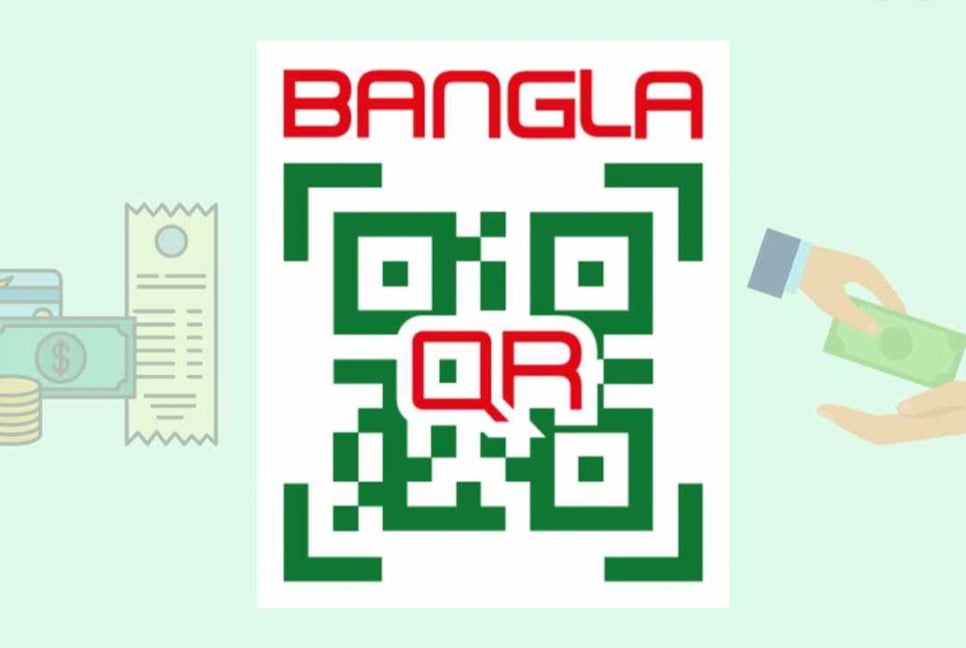
Bangla QR, Bangladesh's unified digital payment system, becomes mandatory from today as part of the central bank's efforts to expand cashless transactions by reducing reliance on cash, counterfeit currency, torn notes, and the persistent shortage of small-denomination notes.
Under the initiative led by the Bangladesh Bank, payments for a wide range of government and private services including trade licence fees, tuition fees, hospital bills, and transport tolls will gradually be brought under the unified digital payment platform.
Officials say the system will allow customers to make payments using a single QR code through any bank or mobile financial service (MFS) account, eliminating the need for merchants to maintain multiple QR codes for different payment providers. They believe the move will significantly reduce the use of cash, lowering the risk of counterfeit notes while easing the hassles associated with carrying cash and finding exact change.
Apart from tackling fake currency, the initiative is also expected to address the frequent problem of merchants being unable to return change due to shortages of small notes and coins. Increased use of digital payments is expected to eliminate such inconveniences for both businesses and consumers.
Under the new system, merchants will require only one Bangla QR code. Customers will be able to scan the same code using their preferred bank or MFS application and complete transactions instantly, regardless of the payment service they use.
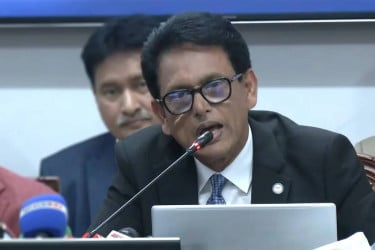
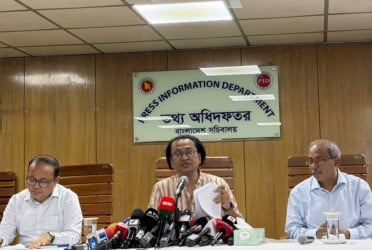
Bangladesh Bank Executive Director and Spokesperson Arief Hossain Khan said Bangla QR will be mandatory for all newly issued and renewed trade licences.
He added that the Ministry of Education has instructed educational institutions to collect tuition fees through cashless payment methods, while the Ministry of Health will issue similar directives for major private hospitals.
He said Bangla QR will gradually be made compulsory for payments across various public and private services to expand and strengthen digital transactions nationwide.
Economists, however, say technological infrastructure alone will not ensure the initiative's success and stress that greater public awareness is essential for widespread adoption.
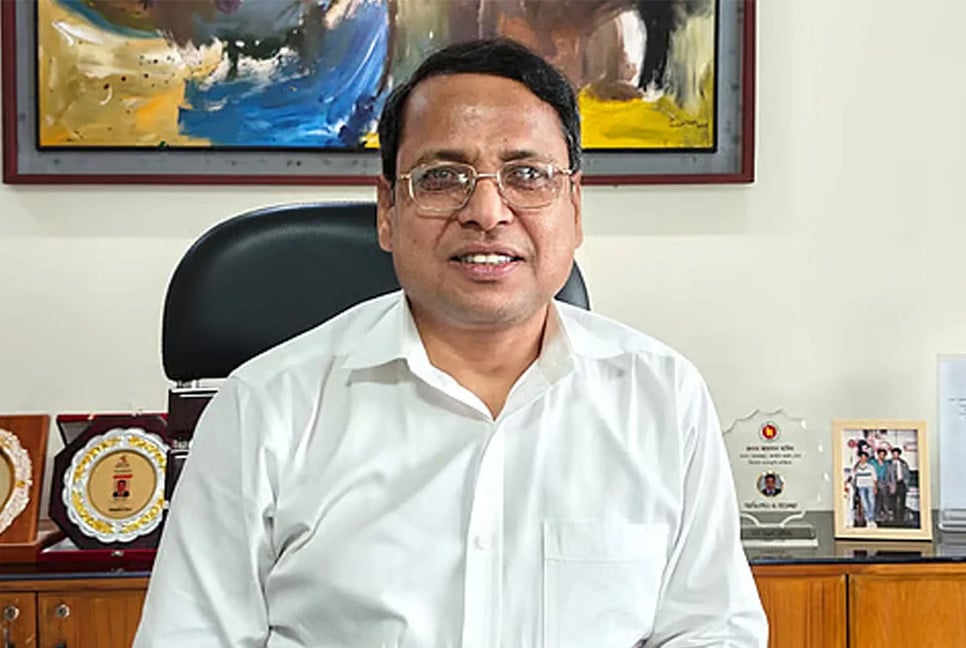
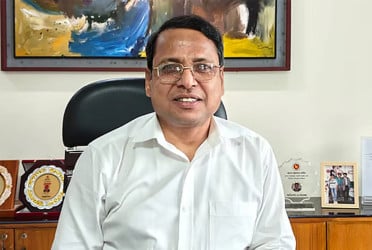
Dr. Toufic Ahmad Choudhury, former director general of the Bangladesh Institute of Bank Management (BIBM), said financial literacy in Bangladesh remains inadequate.
He said financial education should be introduced from the school level, and a five- to ten-year long-term plan should be implemented to equip people with digital financial skills. Only then will it be possible to reap the long-term benefits of initiatives such as Bangla QR.
Stakeholders believe that if implemented effectively with robust technological security and coordinated participation from both public and private institutions, Bangla QR could mark a new chapter in Bangladesh's digital payment ecosystem.
They say the initiative will accelerate the country's transition from a cash-dependent economy to a more transparent, secure, and modern cashless economy.
Bd-pratidin English/ ANI