When Tanzim Redwan published academic research in a world-class journal at the age of 14, it marked an unconventional entry into a space typically reserved for senior academics. A year later, at 15, he presented his latest paper at an international conference organised by the IEEE at Nanyang Technological University in Singapore.
Rather than seeing these milestones as personal achievements alone, Redwan began asking a broader question: if I could do it, why not others?
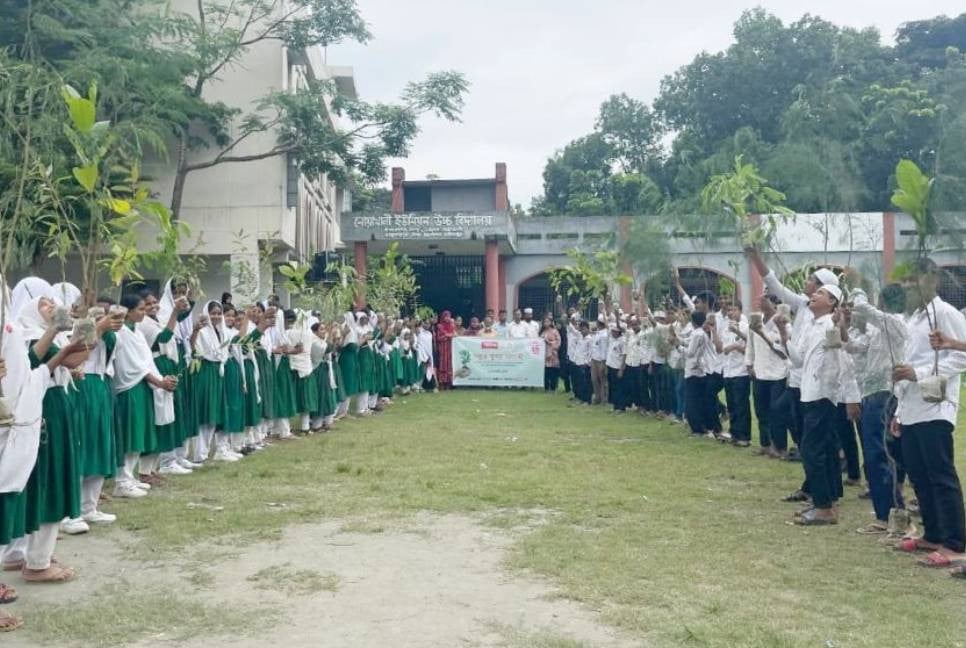
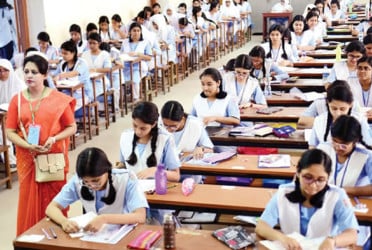
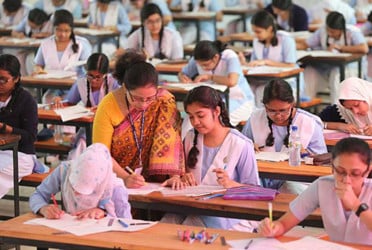
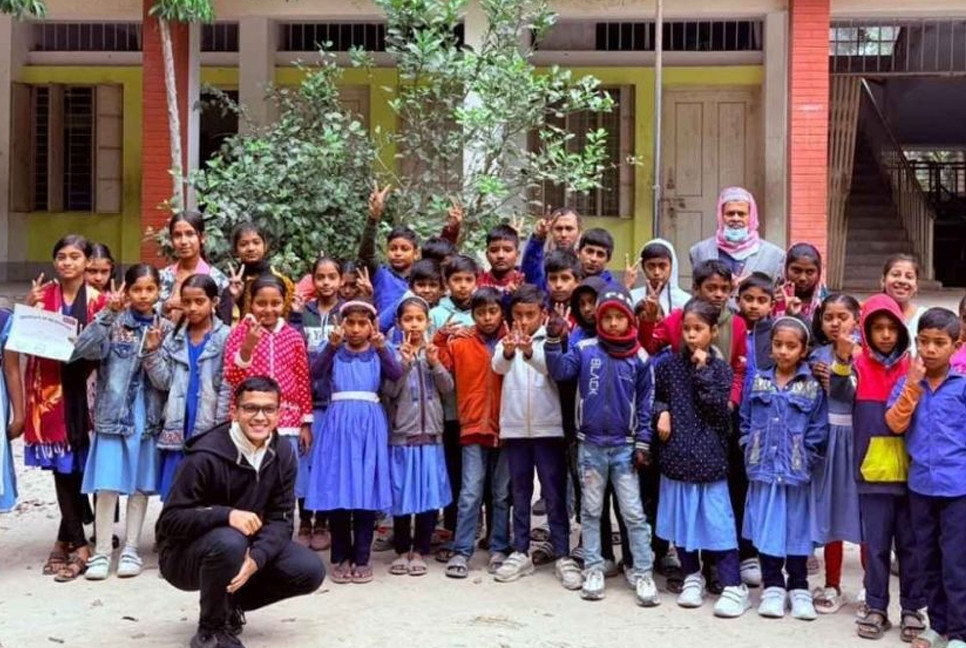
That question led to the founding of Project Q2, a youth-led platform designed to make research education accessible to school students across Bangladesh. This week, Project Q2 officially launched its nationwide ‘Democratizing Research’ campaign in Madaripur, reaching more than 230 students across three secondary schools.
Redwan’s work has already drawn international recognition. He was named among the top 30 worldwide for the International Children’s Peace Prize, recognising the scale and impact of his youth-led initiatives. Through Project Q2 and associated outreach programmes, he has now impacted more than 2,000 students globally, according to organisers.
The Madaripur campaign introduces students to the fundamentals of research thinking — including how to frame questions, evaluate evidence, understand research ethics, and explore real-world applications of academic work. The district-level rollout marks the formal launch of a broader plan to take research literacy to underserved schools nationwide.
Adding an international academic dimension, the programme is being implemented in partnership with the Harvard Undergraduate Microbiology Society, bringing global research exposure to classrooms where such opportunities are often scarce.
“Research is often seen as something distant — limited to universities or elite institutions,” Redwan said. “But at its core, research is curiosity backed by structure. Students should encounter that mindset early, regardless of where they study.”
Teachers and school administrators in Madaripur welcomed the initiative, noting that structured exposure to research methods is rare at the secondary level, particularly outside major cities. Students participated in interactive discussions, case studies, and guided exercises aimed at demystifying academic research and making it approachable.
With hundreds of students reached in its launch phase and thousands impacted globally, Project Q2 reflects a growing shift in Bangladesh’s education landscape — one led not by institutions, but by students themselves. For Redwan, still in high school, the objective remains clear: to normalise research at the school level, and ensure that age, geography, and background are no longer barriers to academic inquiry. Class 9 student takes research education beyond elite classrooms
Madaripur — Academic research is often viewed as the domain of universities and seasoned scholars. But Tanzim Redwan, a Bangladeshi high-school student, is working to change that perception by taking research education directly to school classrooms.
Redwan began his research journey unusually early. At just 14, he co-authored research published in a world-class academic journal. By 15, he was presenting his work at an international conference organised by the IEEE, hosted at Nanyang Technological University in Singapore — a platform rarely accessed by students his age.
Instead of viewing these milestones as exceptional achievements, Redwan saw them as evidence of a larger gap in access.
“If students are given the right exposure and guidance, research should not feel out of reach,” he said.
That conviction led him to found Project Q2, a youth-led initiative designed to introduce school students to research thinking at an early stage. This week, Project Q2 launched its ‘Democratizing Research’ campaign in Madaripur, reaching over 230 students across three secondary schools.
The workshops focus on developing research literacy — teaching students how to ask structured questions, evaluate information critically, understand ethical considerations, and recognise how research connects to real-world problems. Organisers say the Madaripur programme marks the beginning of a broader national rollout, with an emphasis on schools outside major urban centres.
Redwan’s work has gained international recognition. He was named among the top 30 globally in the International Children’s Peace Prize, acknowledging the impact of his youth-led initiatives. Through Project Q2 and related programmes, his work has now reached more than 2,000 students worldwide, according to the organisation.
The Madaripur campaign is being implemented in partnership with the Harvard Undergraduate Microbiology Society, adding an international academic dimension to the local outreach.
Teachers involved in the programme described the sessions as rare opportunities for students to encounter structured research education at the secondary level. Students participated in discussions, case-based learning, and guided activities aimed at making research approachable rather than intimidating.
Education observers note that initiatives like Project Q2 reflect a growing trend of student-led innovation in Bangladesh, where young people are not only beneficiaries of the system but active contributors to educational reform.
For Redwan, the goal is straightforward: to ensure that research becomes a normal part of school education — not an exception reserved for a privileged few, but a skill set accessible to any curious student, regardless of age or geography.
Bd-Pratidin English/ AM