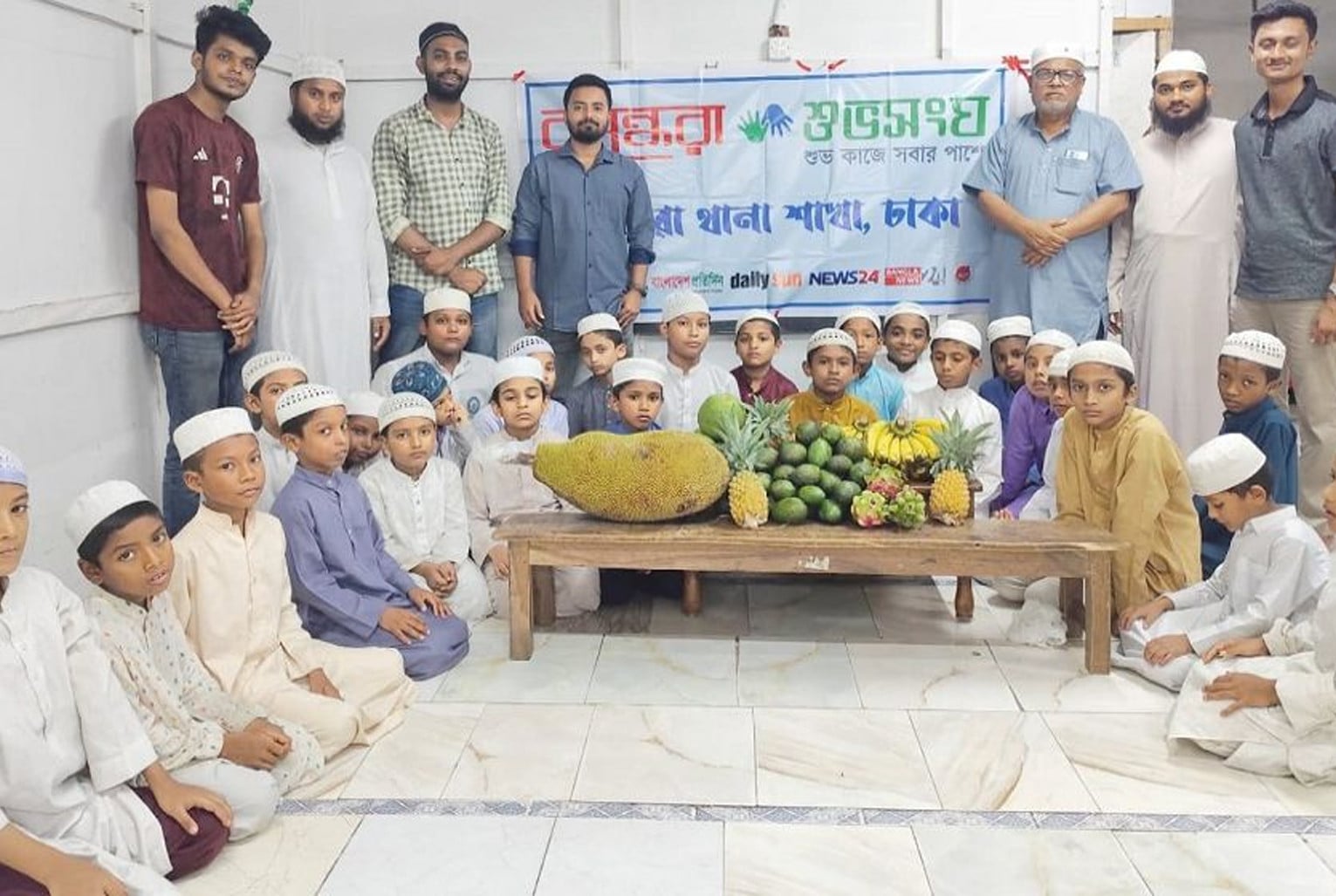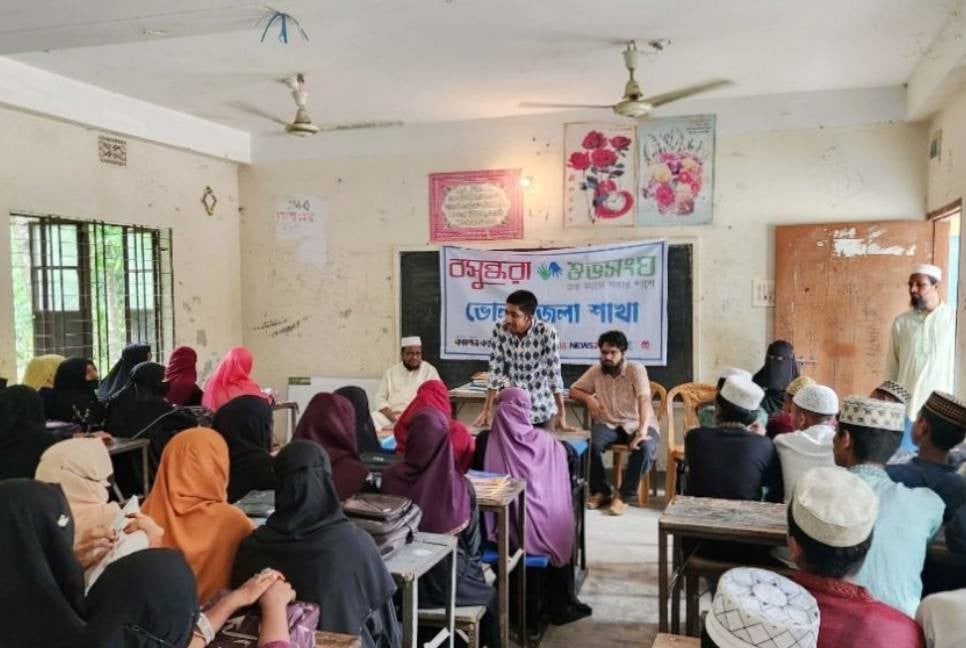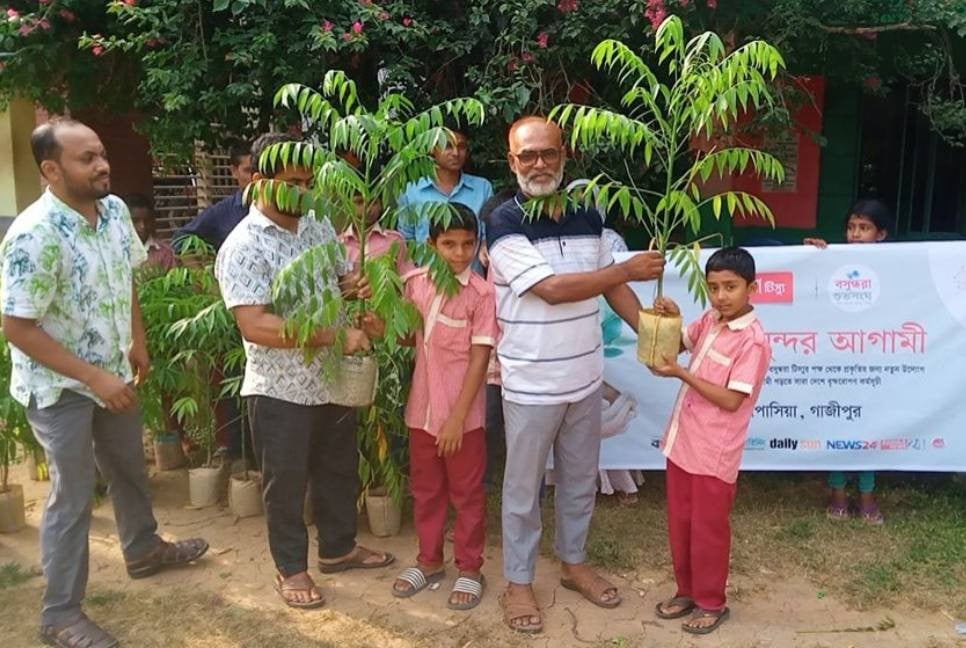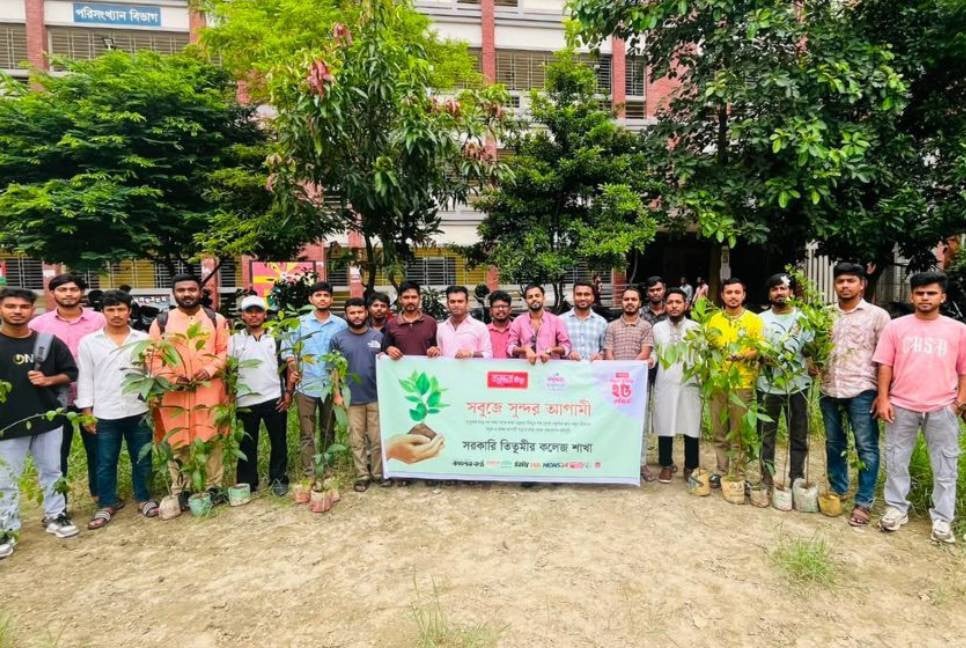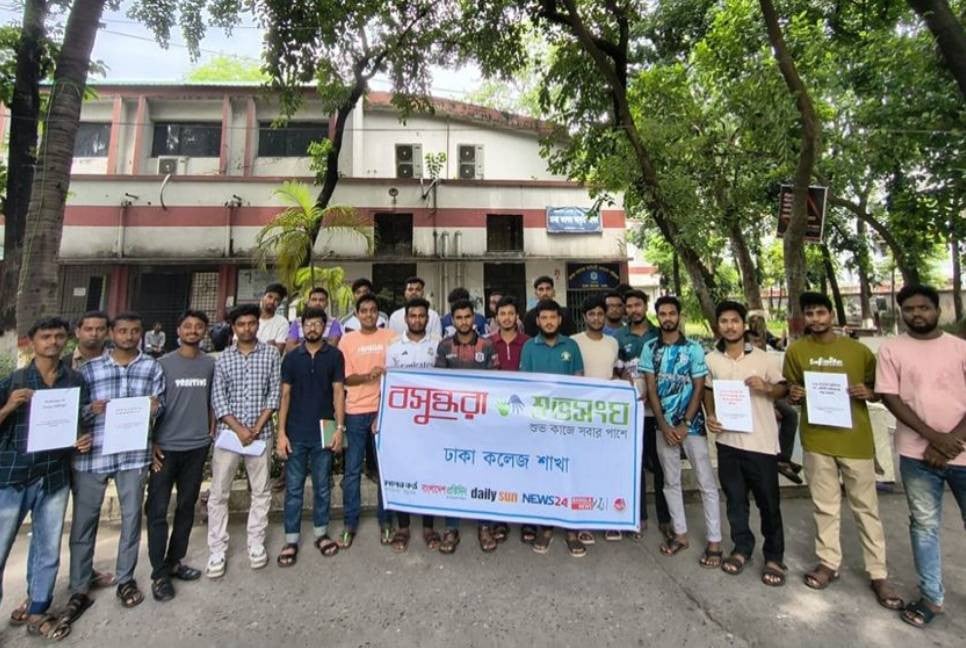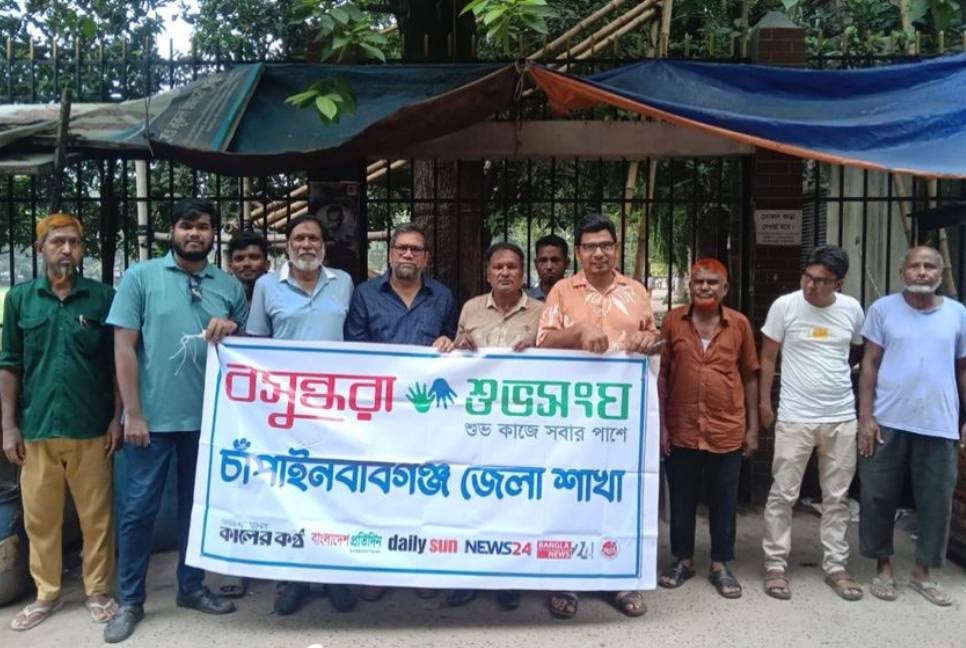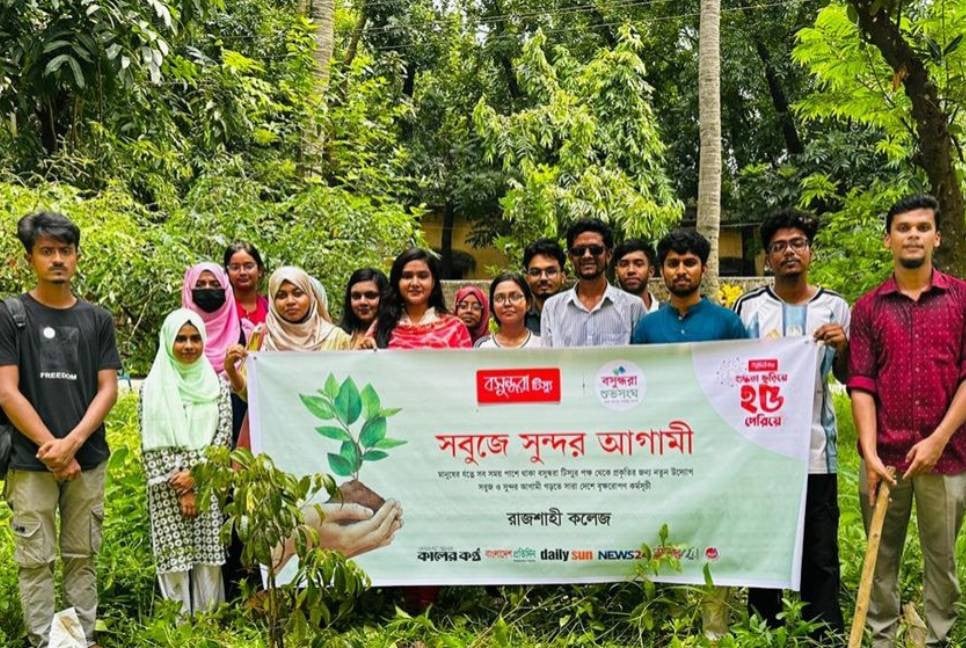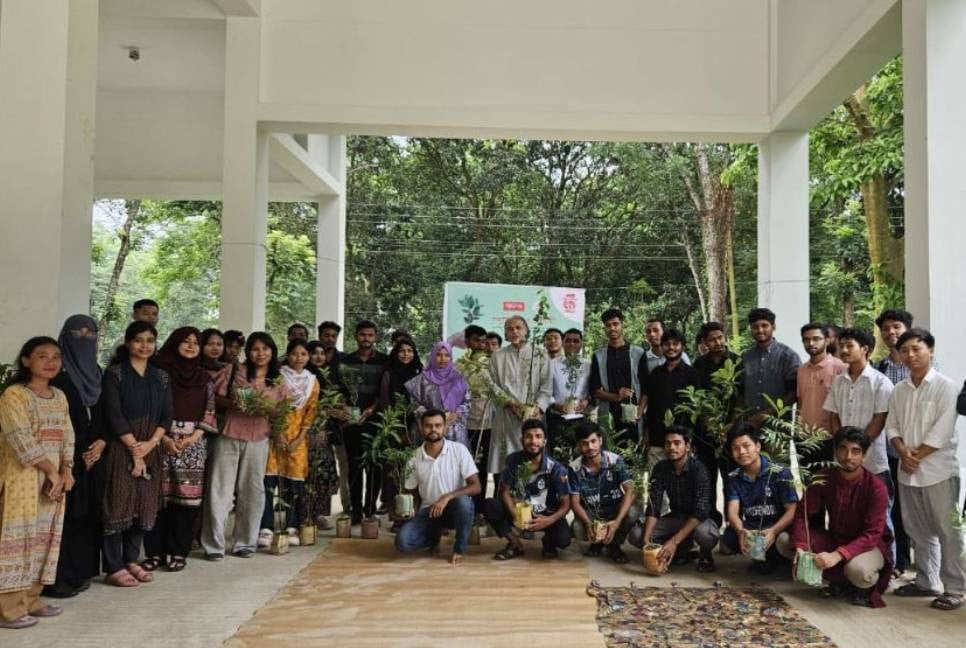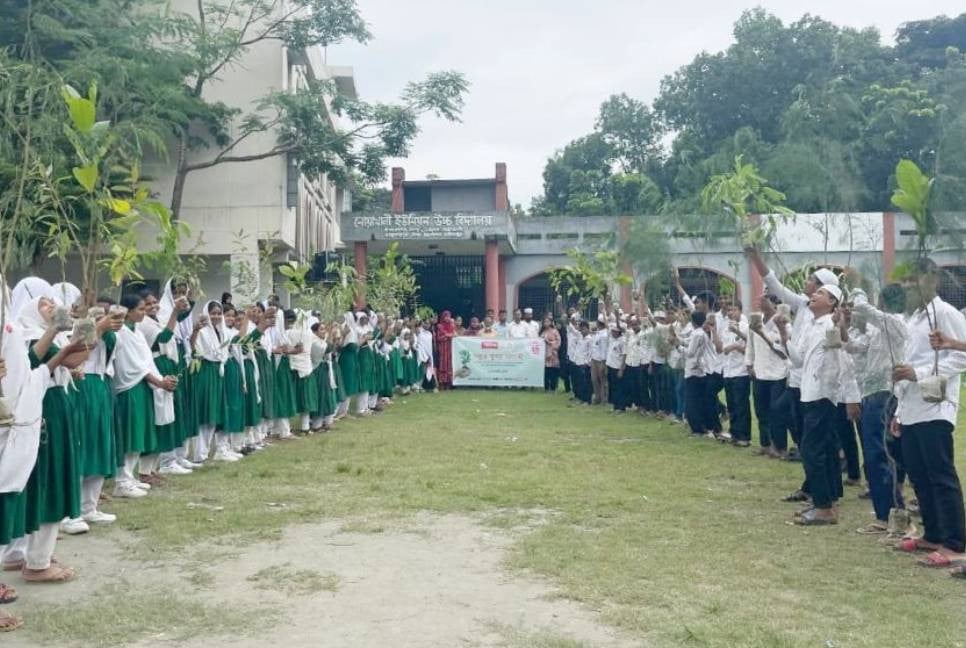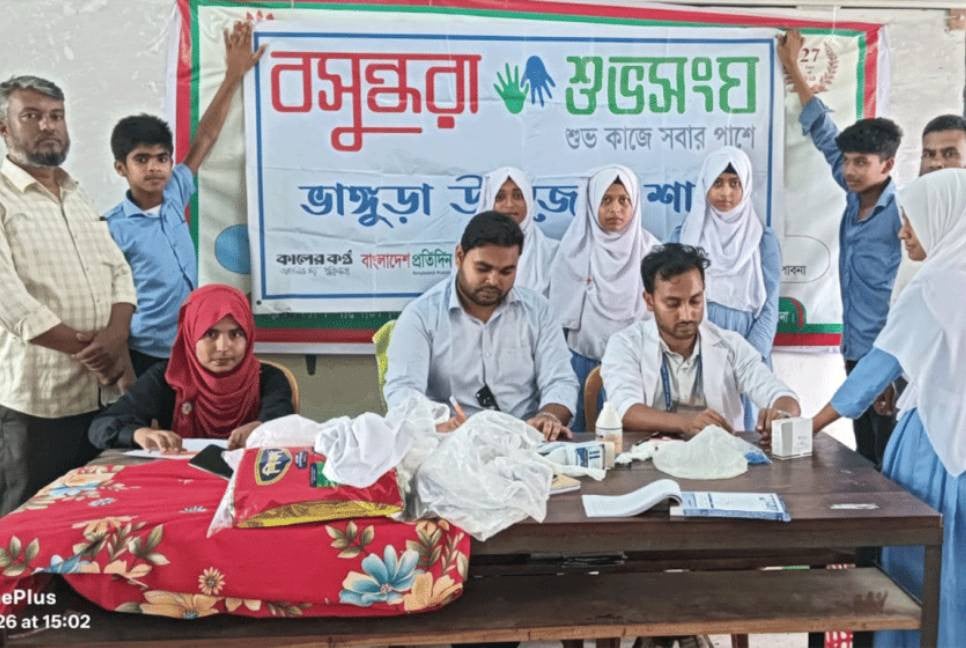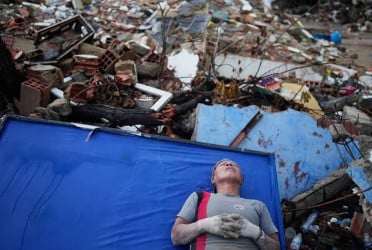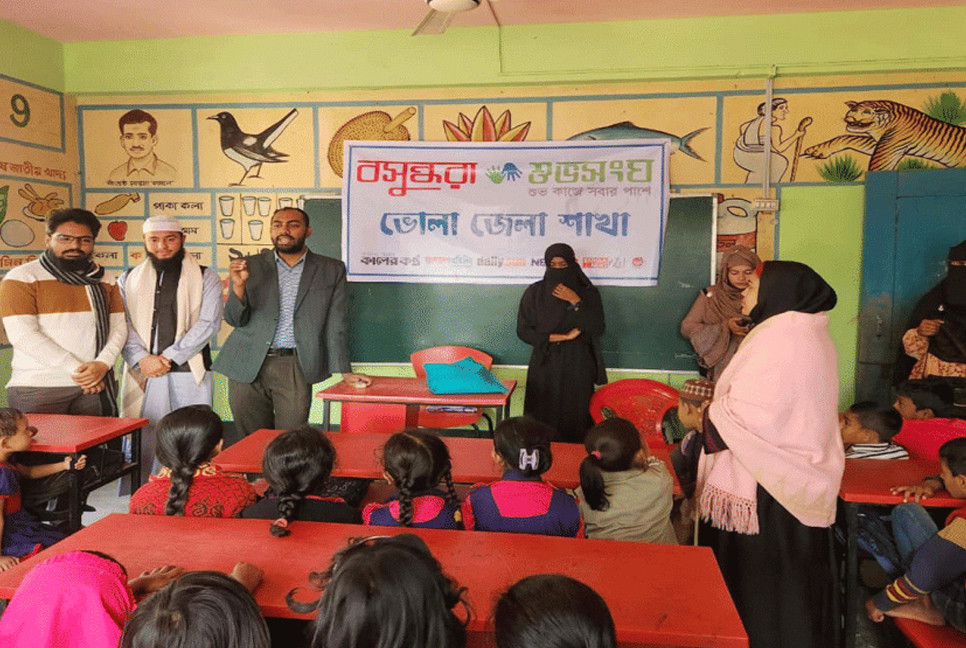
A discussion meeting titled “Impacts of Climate Change and the Future of Children” was held in Bhola to raise public awareness about the growing negative effects of climate change and the serious risks it poses to children’s future.
The programme was organised by the Bhola district unit of Bashundhara Shuvosangho on Thursday at Dakshin Medua Government Primary School.
The head teacher of the school, Ruksana Begum, attended the event as the chief guest.
The meeting was chaired by Bashundhara Shuvosangho Bhola district President Md Shafayat Hossain (Siam). Among others present were Senior Vice-President Mir Abid Hossain Rafi, General Secretary Israat Jahan, Vice-Presidents Jahid Hasan and Ashrafun Nahar, Assistant Organising Secretary Md Ashiqur Rahman, Office Secretary Nur Fatema, Planning and Activities Secretary Israat Jahan Nuha, Publicity Secretary Md Jihad, Finance Secretary Safa Islam, Youth and Sports Secretary A Rahman Jami, executive members Bibi Fatema and Mukta Akhter, along with other members of Bashundhara Shuvosangho.
In her speech, chief guest Ruksana Begum said Bangladesh is one of the countries most vulnerable to the impacts of climate change, with coastal districts like Bhola bearing the brunt.
She noted that cyclones, storm surges, river erosion, rising salinity, and irregular weather patterns are disrupting lives and livelihoods, with children being the worst affected.
Speaking at the event, Shafayat Hossain said children in Bangladesh are among the most affected globally by the climate crisis.
He explained that climate-related disasters not only disrupt schooling but also affect children’s concentration, memory, and mental and physical health. Prolonged school closures increase dropout rates, particularly among girls, and raise the risk of child marriage due to family financial hardship.
Citing UNICEF’s Children’s Climate Risk Index, he said Bangladeshi children are among the most vulnerable to climate and environmental risks worldwide.
General Secretary Israat Jahan said repeated displacement caused by climate change is interrupting education for many children, forcing some to drop out of school.
She added that child labour, malnutrition, health risks, mental stress, and early marriage are also increasing at alarming rates, posing serious obstacles to children’s healthy development and a secure future.
Speakers at the discussion stressed that climate change is not only an environmental issue but also a humanitarian crisis.
They emphasised the need for long-term and sustainable planning to safeguard children’s future and called on everyone to play a responsible role in environmental protection.
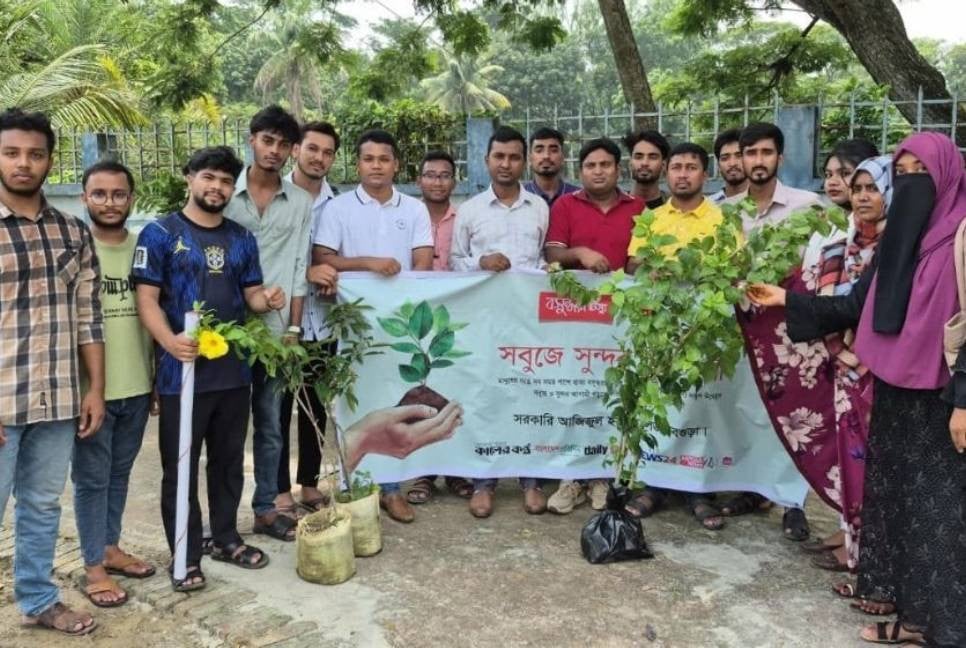
The discussion highlighted the importance of increasing tree plantation, conserving rivers and water bodies, reducing the use of plastic and polythene, and promoting environmentally friendly lifestyles.
Speakers also underscored the need for coordinated efforts by educational institutions and social organisations to build environmental awareness among children.
Senior Vice-President Mir Abid Hossain Rafi said that as part of its social responsibility, Bashundhara Shuvosangho has long been engaged in activities related to education, health, environment, and humanitarian welfare, and such awareness programmes will continue in the future to address global challenges like climate change.
Parents attending the event described the initiative as timely, saying such discussions play an important role in building social awareness to ensure a safe and prosperous future for children.
Teachers, students, environmental activists, social workers, journalists, and local dignitaries were also present at the programme.
Bd-pratidin English/TR