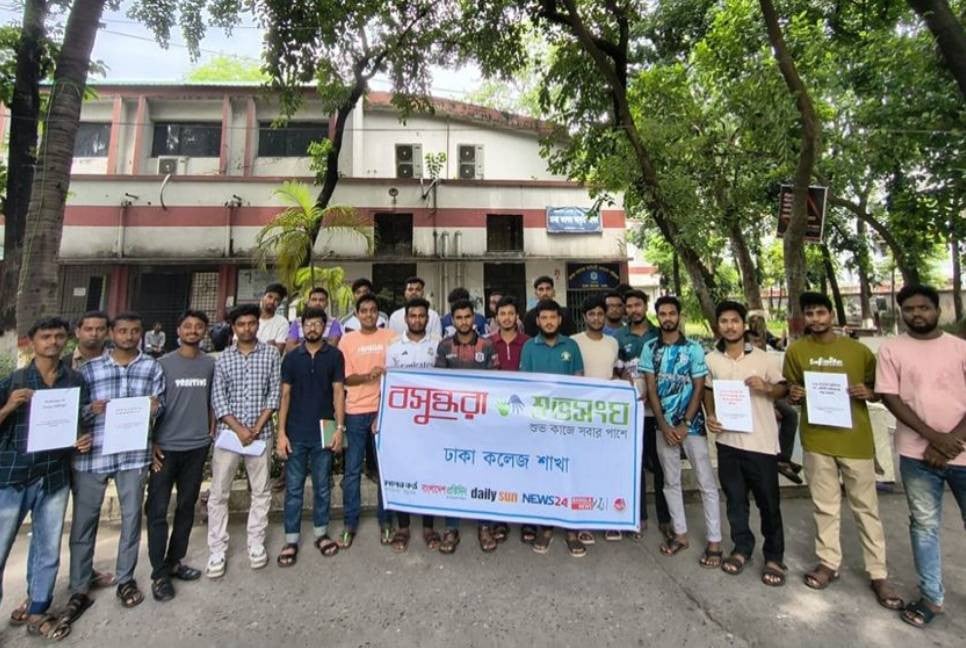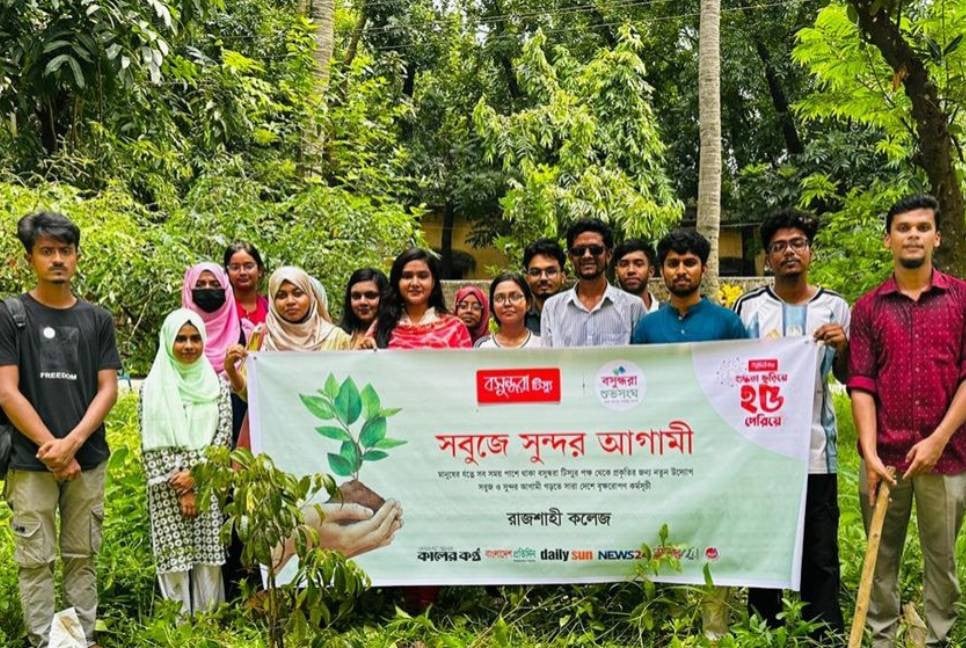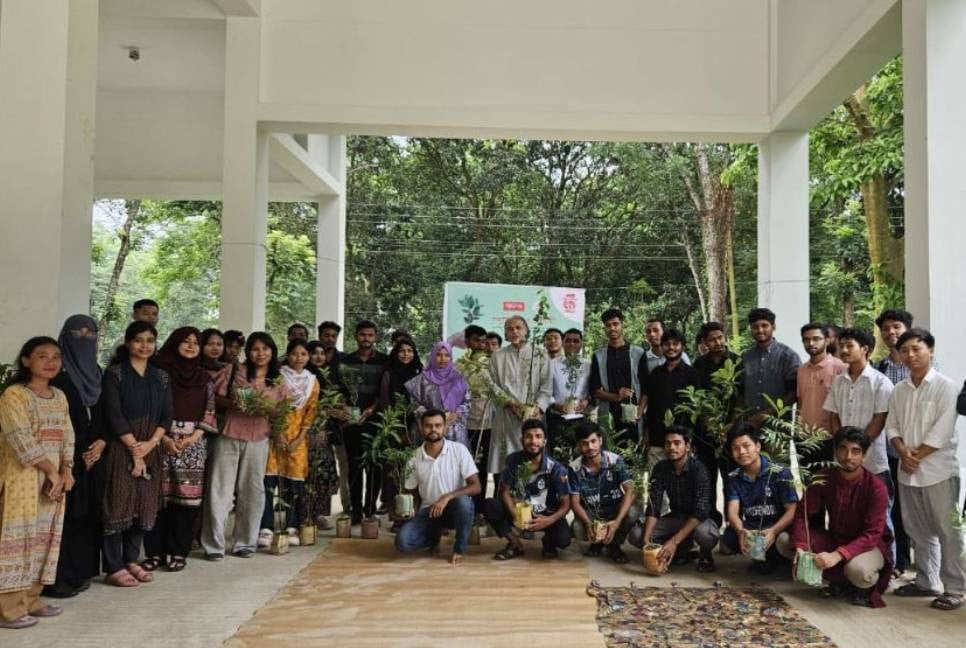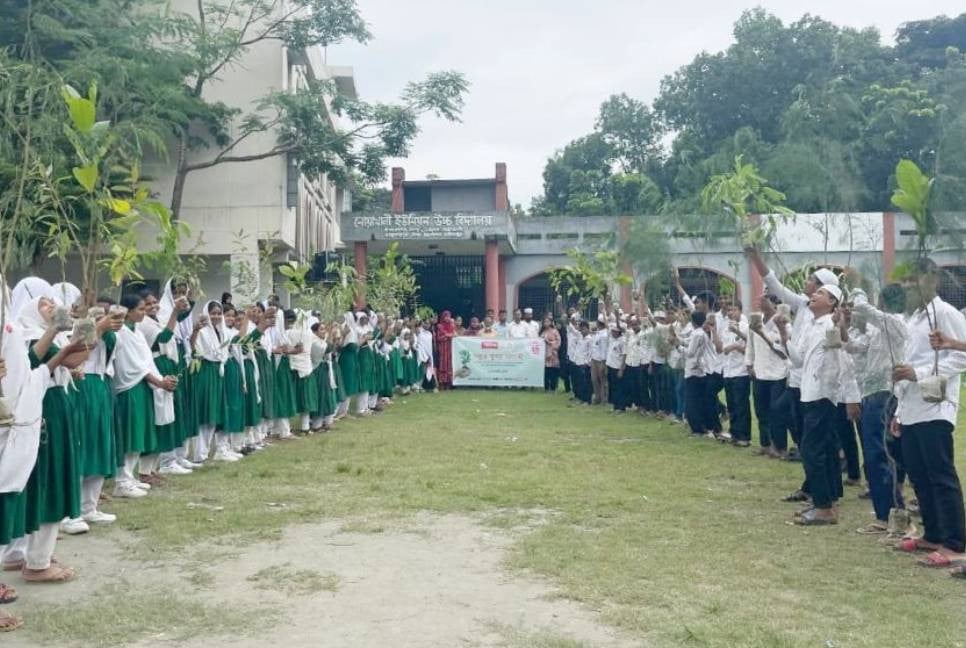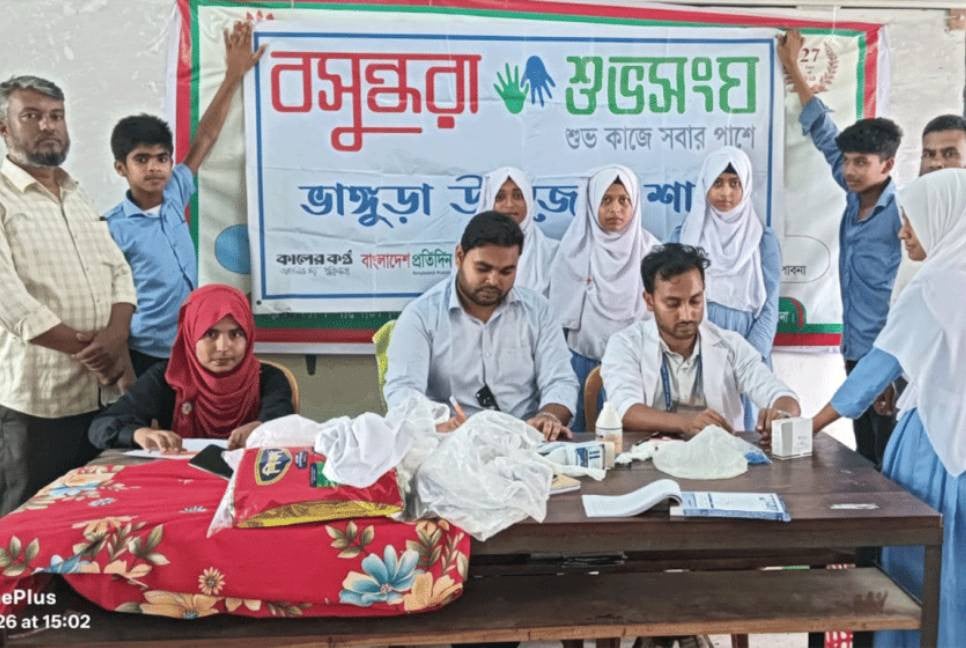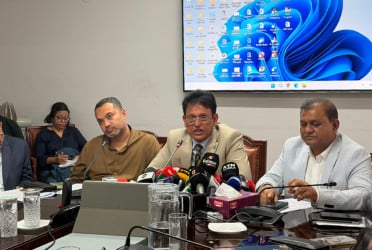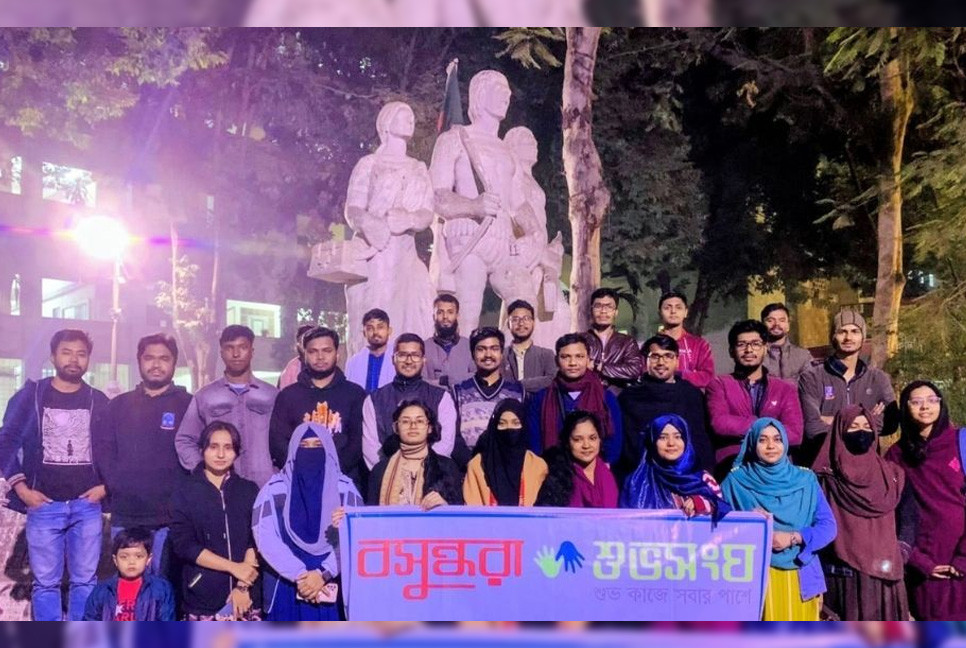
A discussion session was held at the University of Dhaka (DU) on Tuesday, focusing on the country’s entrenched problems, and the need for eradicating these.
Bashundhara Shuvosangho organised the programme, where the group’s participants called for building a “dream country” by removing the long-term obstacles.
The discussion was chaired by Bashundhara Shuvosangho DU unit President Abdul Momin and moderated by General Secretary Riyadus Saleheen. Participants included former president of the unit Abu Huraira Atik and a number of current committee members.
Abdul Momin said that ensuring law and order is the foremost requirement for building a safe and self-sufficient Bangladesh. He noted that mob violence has recently emerged as a major threat to society. He stressed that if the administration becomes more effective, firm, and capable of taking swift decisions, and if laws are applied impartially, this menace can be curbed. He also emphasised the importance of increasing civic awareness.
He further added that sustainable development is not possible without achieving self-reliance in food, industry, energy, and technology.
Riyadus Saleheen said that a hunger-free Bangladesh does not merely mean food availability; rather, it means ensuring access to safe, nutritious, and balanced food. He emphasised the use of modern agricultural technology, food preservation procedures, and improved supply systems.
Shuvosangho DU unit Organising Secretary Protiksha Rani said that transparency and accountability cannot be established unless political influence is removed from banks, insurance, employment, and business institutions. She stressed the need to build a transparent state system through competent, honest, and ethical leadership guided by a sense of responsibility.
Joint Organising Secretary Samia Tasnim said that future Bangladesh must be a country of transparency and accountability, where the rule of law is ensured and no one remains above the law.
Surya Sen Hall representative Sobhan Hridoy said that the Bangladesh of the future must be free from poverty. Reducing income inequality, creating sustainable employment, and improving education and skills can bring lasting change to people’s lives.
Fazlul Huq Muslim Hall representative Ripon Mia said that the ‘Three Zeros’ philosophy introduced by Dr Muhammad Yunus—zero poverty, zero unemployment, and zero net carbon emissions—can play a vital role in building future Bangladesh. He emphasised the expansion of social business and renewable energy.
Sufia Kamal Hall representative Priya Khatun said that a strong and united Bangladesh can only be built by maintaining communal harmony. She called for transforming religious and cultural diversity into strength rather than division.
Shaheed Ziaur Rahman Hall representative Azizur Rahman said that to keep pace with the global system, the modern and ethical use of artificial intelligence (AI) in education, healthcare, and administration is essential.
Former president Abu Huraira Atik said that Bangladesh must move towards more integrated and data-driven planning to achieve the Sustainable Development Goals (SDGs). He noted that giving equal importance to education, health, gender equality, climate action, and poverty reduction can help Bangladesh reach the top position in SDG indices. Local government and citizen participation will play a crucial role in this process.
At the end of the free discussion, members of Bashundhara Shuvosangho pledged to become responsible citizens in order to build a humane, peaceful, and self-reliant Bangladesh. They urged the youth to play a more conscious, active, and responsible role. Expressing optimism that the future Bangladesh will be illuminated by youth leadership, the meeting was concluded.
Bd-Pratidin English/ AM