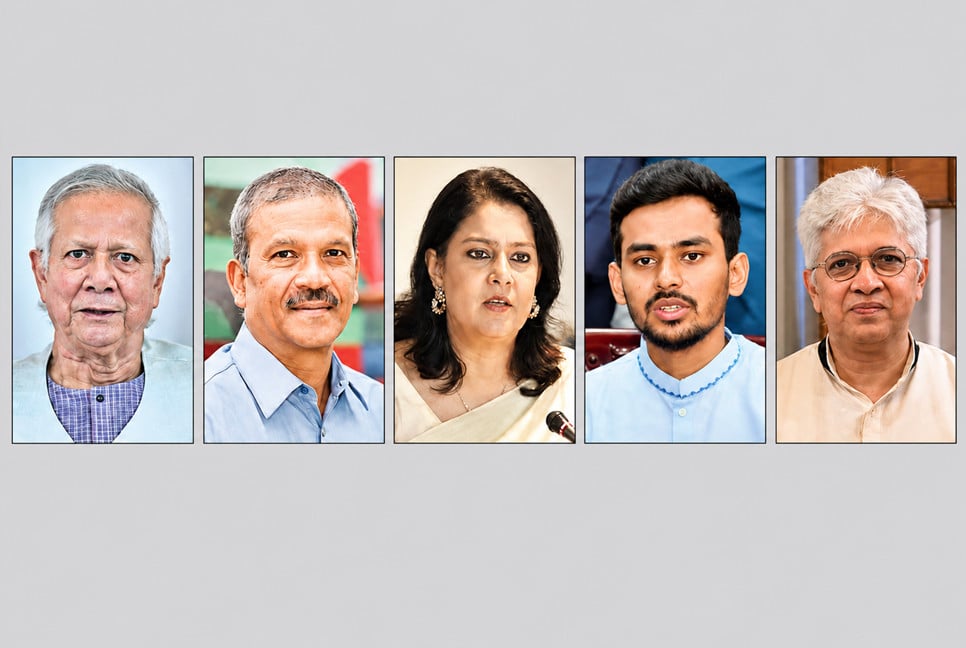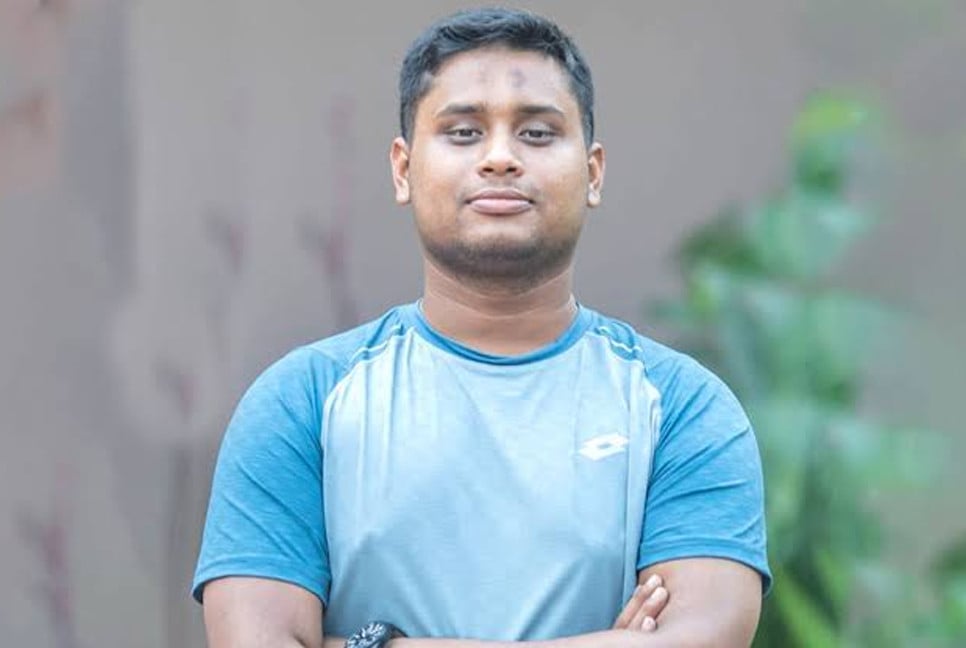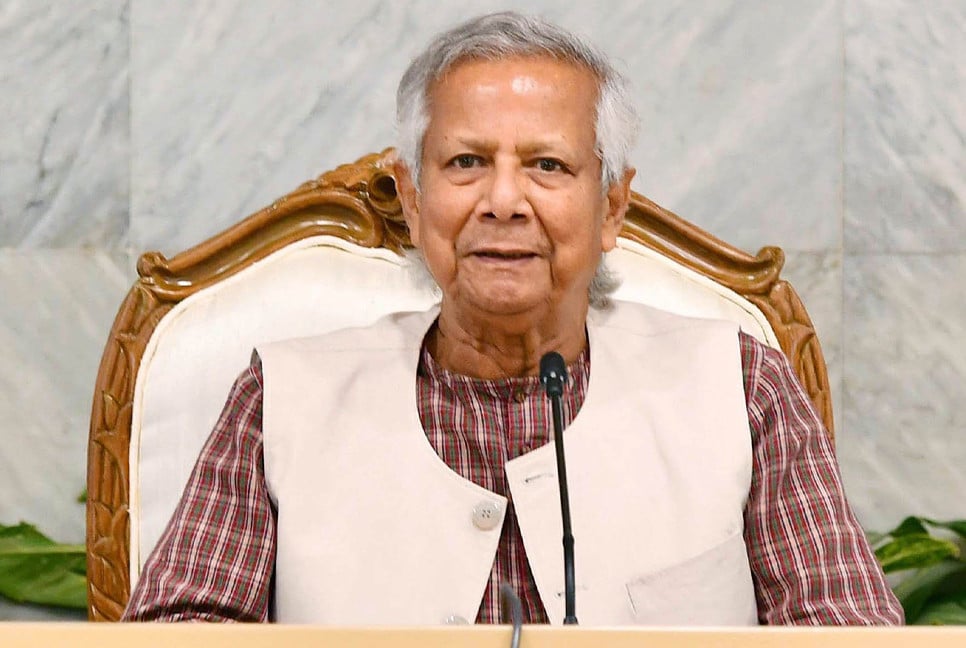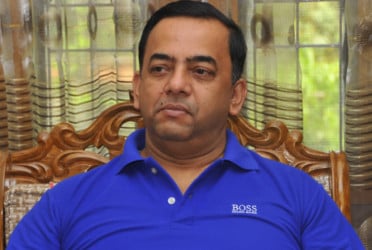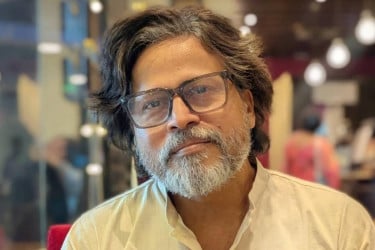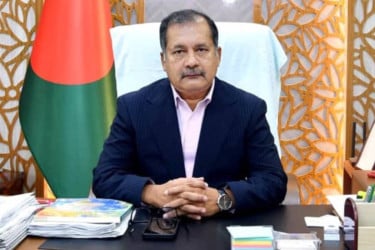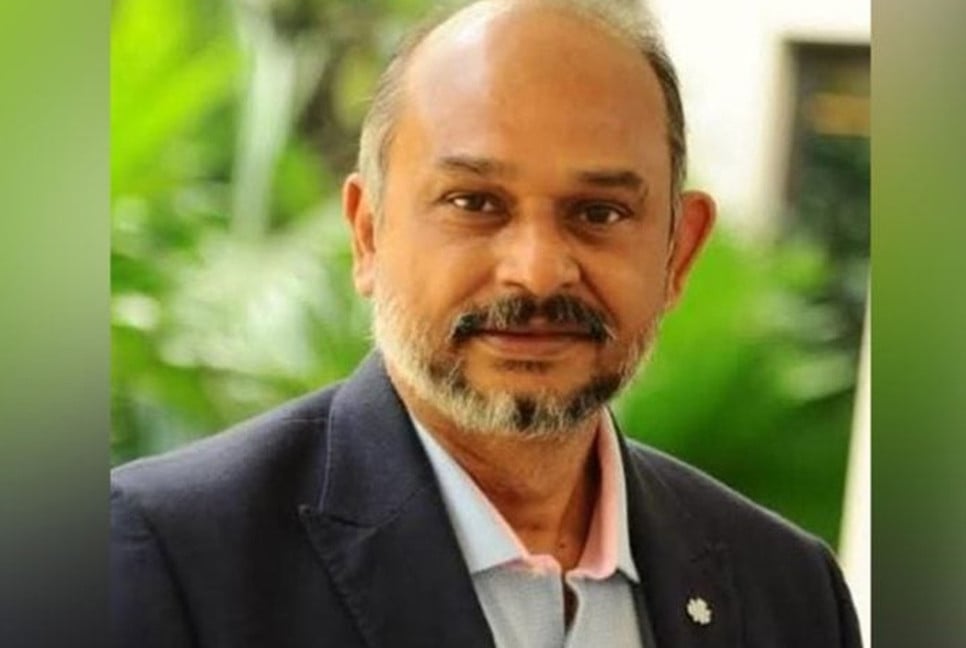
Finance and Planning Adviser to the Prime Minister and economist Dr Rashed Al Mahmud Titumir said tested and implementable plans will shape the upcoming budget. He said the government is focused on reality rather than ambition, with boosting revenue collection and controlling inflation remaining the biggest challenges. In an exclusive interview with Bangladesh Pratidin, he discussed the economy, budget implementation, banking reforms, investment, inflation, repatriating laundered money and long-term development plans.The interview was conducted by Manik Muntasir.
Bangladesh Pratidin: The government's first budget is approaching. What do you see as the main challenges and priorities?
Titumir: We are passing through a fragile economic situation. The biggest challenge in this budget is increasing revenue collection while keeping inflation under control. Years of irregularities, corruption, extensive looting, global instability, dollar shortages, rising import costs and policy weaknesses have created pressure on the economy.
The government must continue development spending while also controlling living costs for ordinary people. Simply increasing the budget size is not enough; implementation capacity is equally important. Our main focus is financial discipline and efficient expenditure management.
Bangladesh Pratidin: What message will the budget carry for ordinary people?
Titumir: We are trying to make people's lives easier and reduce living costs. Public welfare programmes such as family cards and farmer cards began implementation immediately after the government assumed office.
The current situation is certainly challenging, but opportunities for economic recovery still exist. Government, private sector and citizens must work together. Through transparency, accountability and practical reforms, the economy can return to a sustainable path. Long-term planning and continuous reforms will build a stronger economic foundation.
Bangladesh Pratidin: What is currently the biggest crisis facing the economy?
Titumir: High inflation remains the biggest challenge. Its impact is directly affecting ordinary people as real incomes continue declining. Middle-income and low-income groups are under severe pressure.
At the same time, investment remains stagnant. Industrial investment is not growing at the expected pace. There is also a confidence crisis in the banking sector. Rising default loans and governance weaknesses in some banks have weakened the financial sector.
Inflation, investment stagnation and banking sector weakness are now the three biggest economic challenges. Practical solutions to address these issues will be included in the budget and implemented gradually.
Bangladesh Pratidin: Inflation has remained high for a long time. What initiatives are being planned?
Titumir: Controlling inflation is our highest priority. The central bank is pursuing contractionary monetary policy. Steps have been taken to reduce unnecessary government spending and strengthen market monitoring.
Agricultural production is being prioritised to maintain food supply, while efforts are underway to simplify imports. Expanding social safety programmes will also play an important role in reducing inflationary pressure.
Without increasing direct support for low-income groups, their lives will become more difficult. Therefore, the upcoming budget aims to bring the maximum number of people under social protection programmes.
Bangladesh Pratidin: How urgent is banking sector reform?
Titumir: Banking sector reform is extremely urgent. Years of irregularities, weak loan management and political influence created a complex situation. Group dominance has damaged the banking sector.
Default loans have increased significantly, creating concerns among depositors. Governance is now the most important issue.
Central bank supervision has already been strengthened. Risk-based supervision, bank mergers and loan recovery efforts are being reinforced. Without a stronger banking sector, investment will not increase. Without investment, neither employment nor production can grow.
You will see the detailed picture in the 11 June budget.
Bangladesh Pratidin: You speak about central bank independence while appointing a businessman as governor. What is your position?
Titumir: The governor appointed to Bangladesh Bank is highly capable for this role. He has only recently started his work. People should evaluate success or failure after giving him time.
Central bank independence is extremely important for economic stability. If monetary policy remains free from political influence, controlling inflation becomes easier.
Bangladesh Bank must play a stronger role in maintaining financial discipline. Development partners are also emphasising this issue. Sustainable economic stability is difficult without an independent and strong central bank.
Bangladesh Pratidin: Revenue shortfalls increase every year. What is the strategy to increase revenue collection?
Titumir: Increasing revenue collection is a major goal. But raising tax rates alone will not solve the problem.
The tax net must expand. New taxpayers must be brought into the system. The government is moving toward full digitalisation of revenue management.
E-tax systems are expanding and automation is increasing. This will reduce tax evasion and improve transparency.
For years, a limited number of people have carried the tax burden. That dependence must change. At the same time, business-friendly conditions are necessary to encourage investment and production.
Bangladesh Pratidin: What prevents foreign investment from increasing?
Titumir: The biggest issue is lack of confidence among investors, followed by political stability and frequent policy changes.
Foreign investors seek policy consistency, accountability and ease of doing business. Administrative complexity and slow approval processes remain major obstacles.
Infrastructure limitations, dollar shortages and banking sector weaknesses also create concerns. The government is trying to address these issues through stronger one-stop services, special economic zones and expanded digital services.
Foreign investment brings not only capital but also technology and skills.
Bangladesh Pratidin: What should be the main employment objective?
Titumir: Employment generation is among the most important priorities. Creating jobs for young people is essential.
Relying only on government jobs is not enough. The private sector must become stronger.
Support should increase for industry, information technology, agro-based industries and small and medium enterprises. Skill development training must also expand because labour markets are changing rapidly.
Without skilled human resources, competing internationally will become difficult.
Bangladesh Pratidin: What changes are coming to social safety programmes?
Titumir: The government plans to make social protection programmes more inclusive.
Family cards, farmer cards and digital databases are being used to ensure support reaches actual beneficiaries. This will reduce waste and improve transparency.
Greater attention is also being given to food security, healthcare and educational support for low-income groups.
During periods of high inflation, social protection programmes become even more important.
Bangladesh Pratidin: Why are education and healthcare receiving so much importance?
Titumir: Human resource development is the most important factor for long-term progress.
Infrastructure alone cannot ensure sustainable development. Investment in education and healthcare must increase.
The government is prioritising technology-based education, vocational training and primary healthcare.
Without skilled human resources, competing in the future global economy will become difficult.
Bangladesh Pratidin: How realistic is the target of becoming a trillion-dollar economy by 2034?
Titumir: The target is ambitious but not impossible.
Continuous reforms are necessary. Growth alone is insufficient; productivity must increase. Export diversification is required.
Governance must improve in banking and revenue management. Skilled human resources must be developed.
Most importantly, policy continuity must be maintained. With political and economic stability, Bangladesh can become a major economy in the long term.
Bangladesh Pratidin: What is the government's position on whitening undisclosed money and bringing back laundered funds?
Titumir: Recovering laundered money is not easy. It requires a lengthy process.
The current government has been in office for only three months, but we have already taken some effective measures. More details will be available in the 11 June budget.
Regarding undisclosed money, if there is an internationally recognised approach, we will follow that path.