Bhola, an island district and one of Bangladesh’s most climate-vulnerable regions, continues to face the grim consequences of cyclones, tidal surges, river erosion, rising salinity, and erratic rainfall.
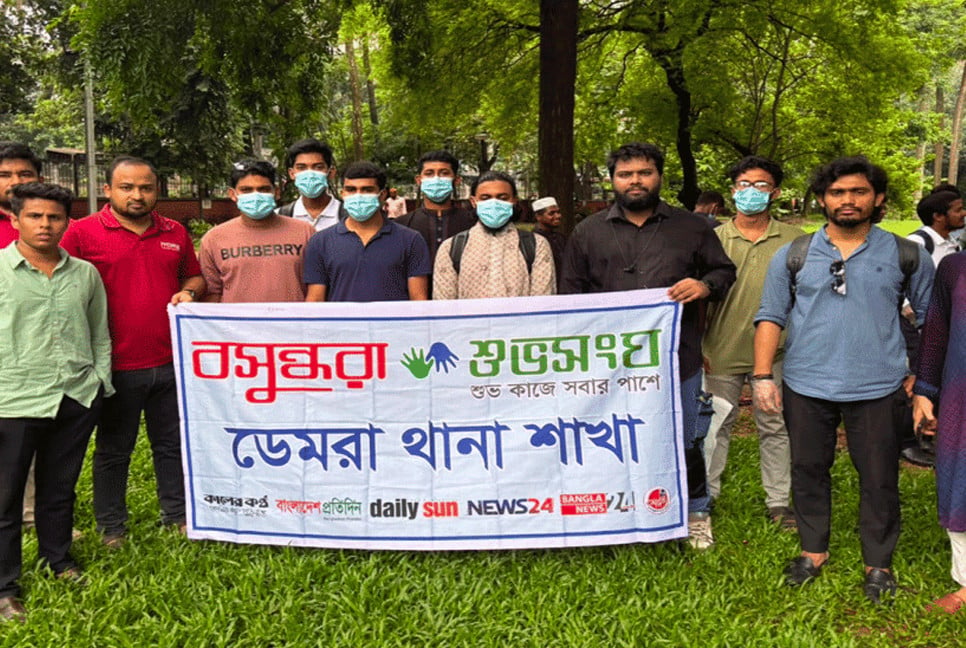
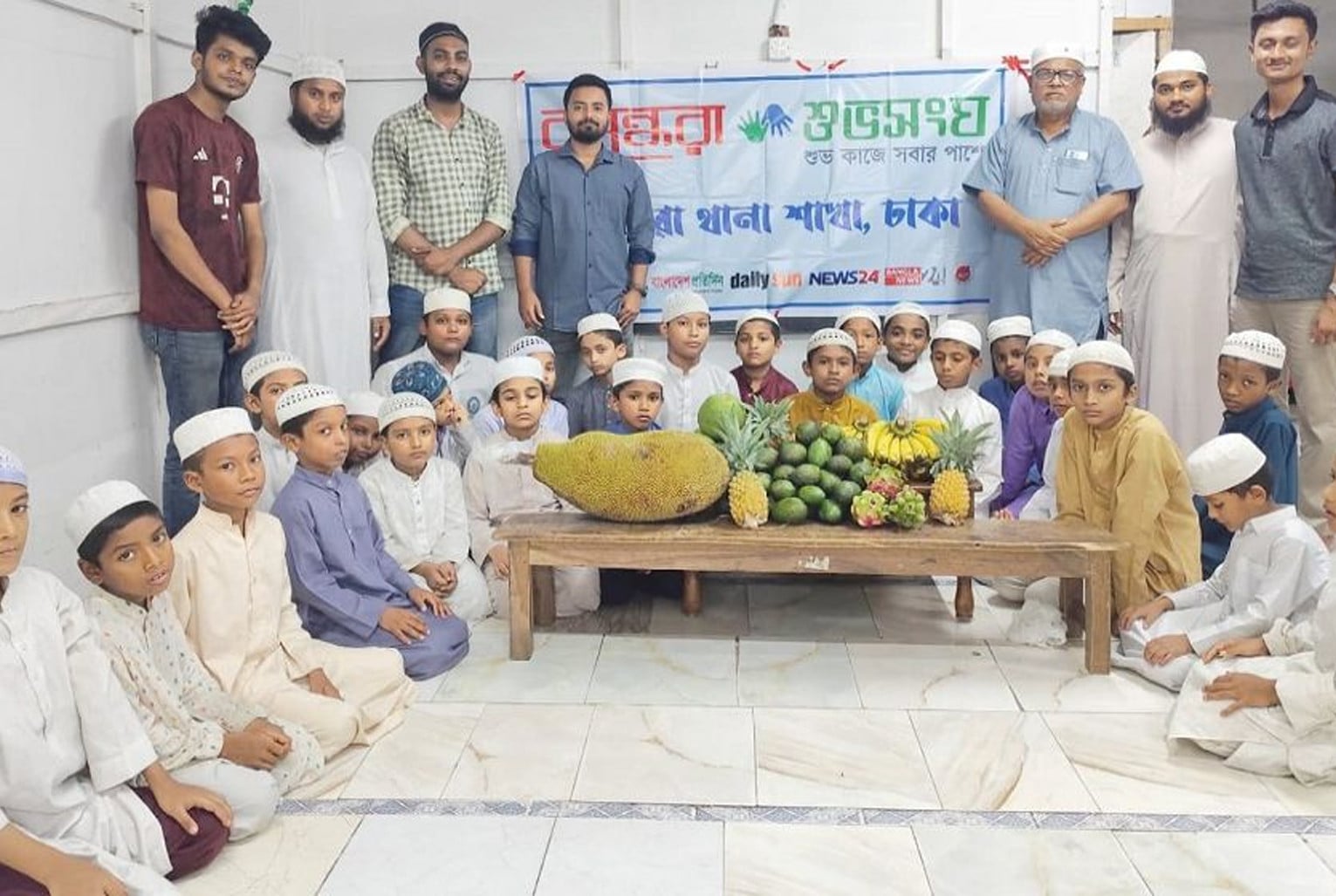
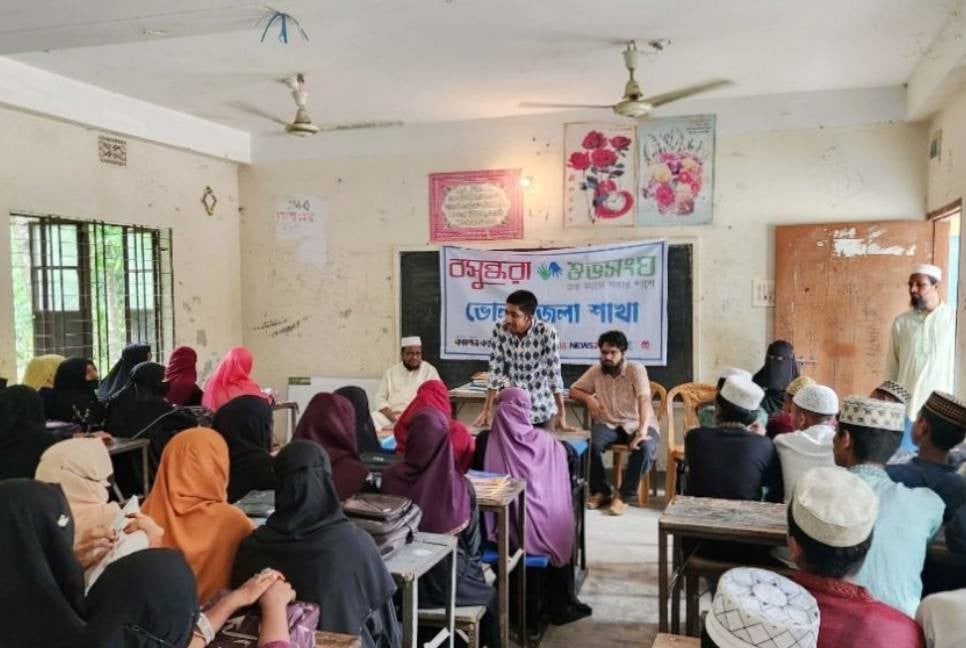
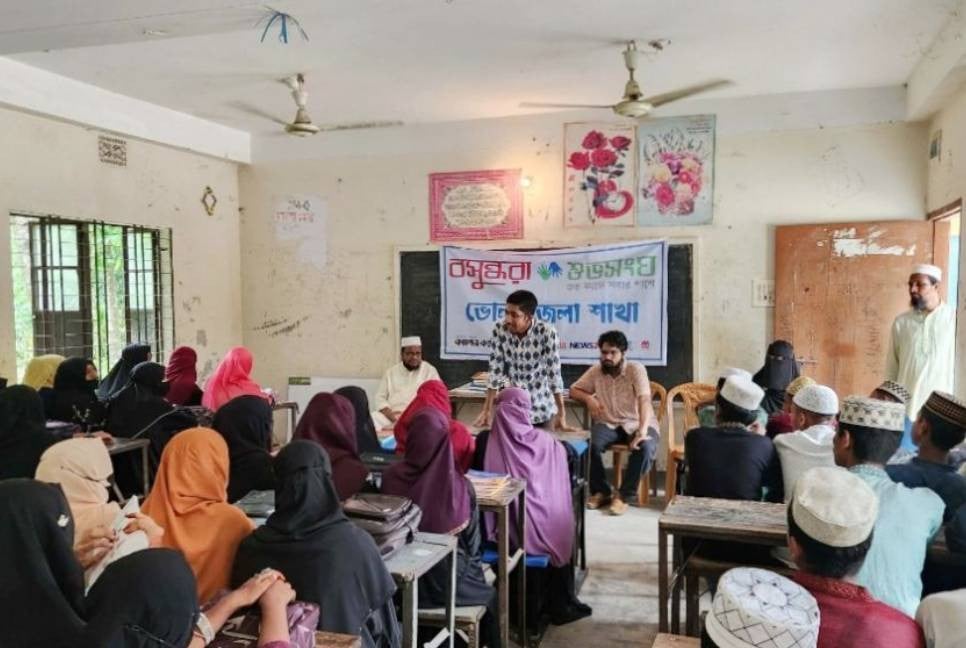
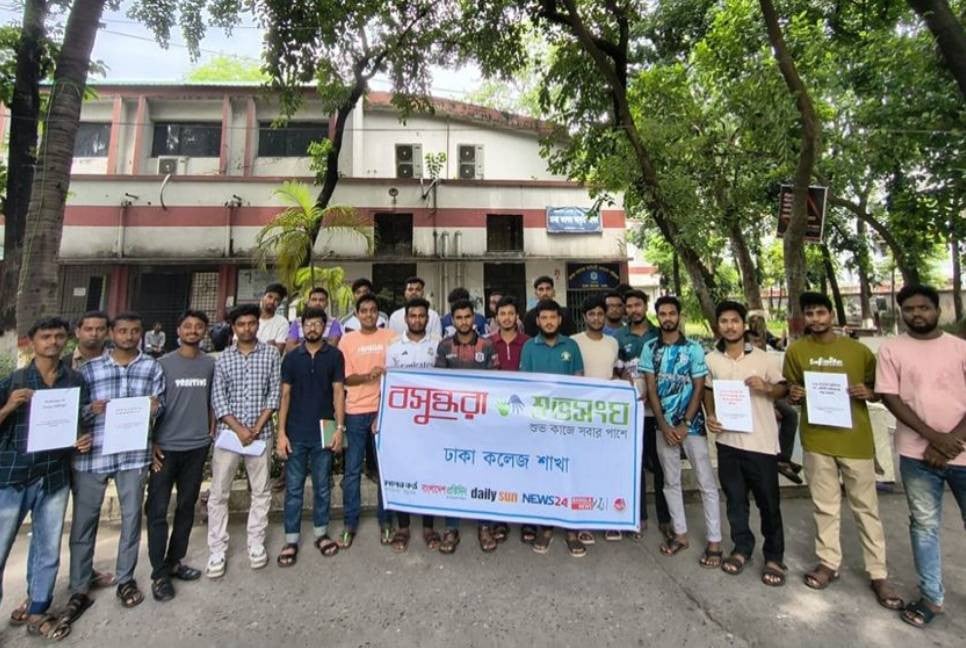
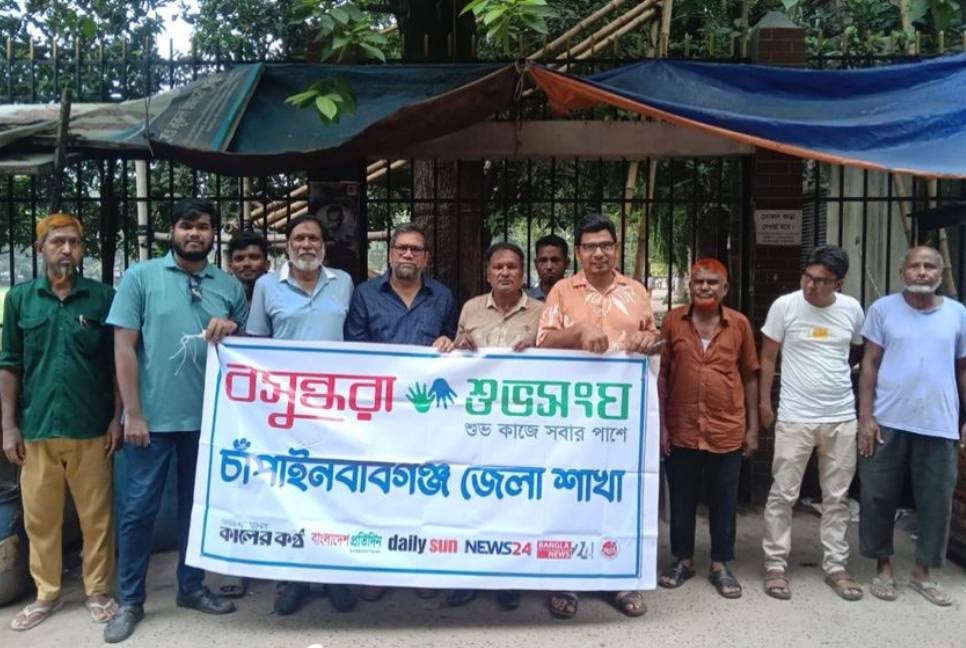
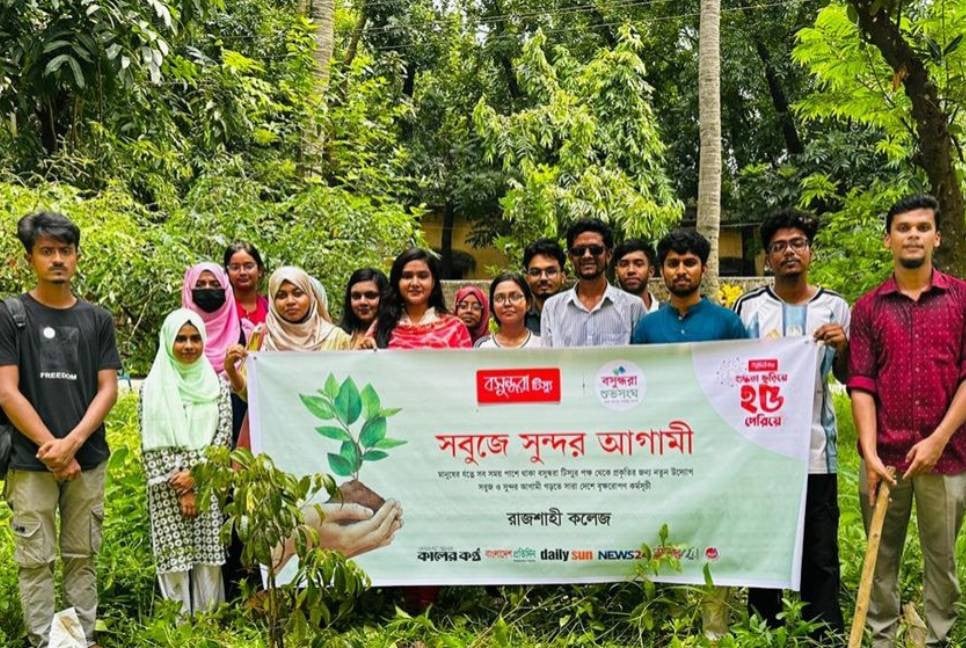
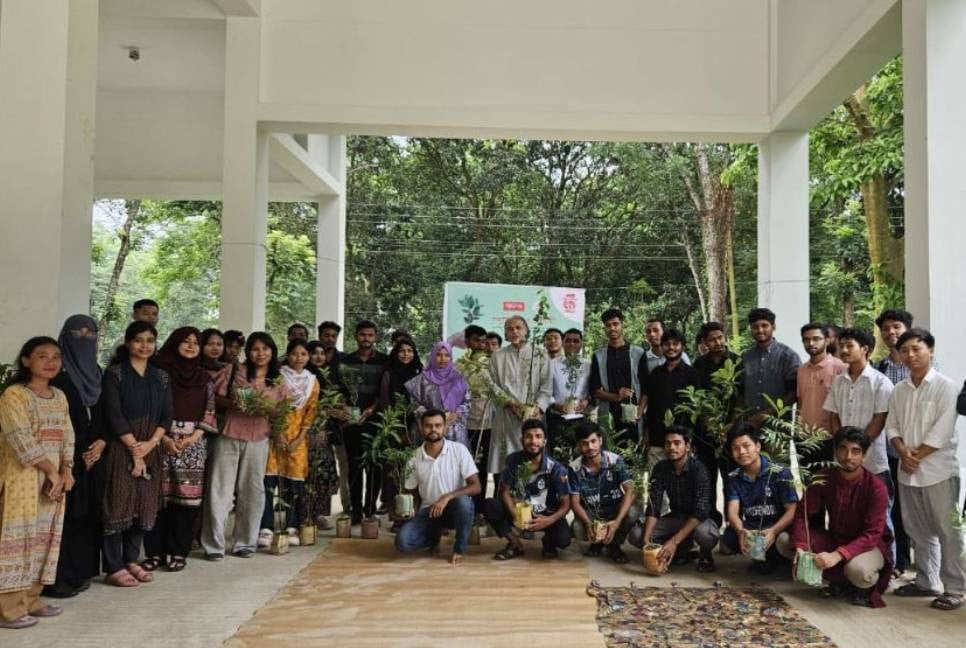
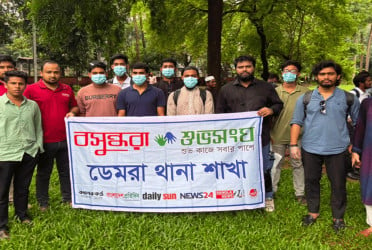
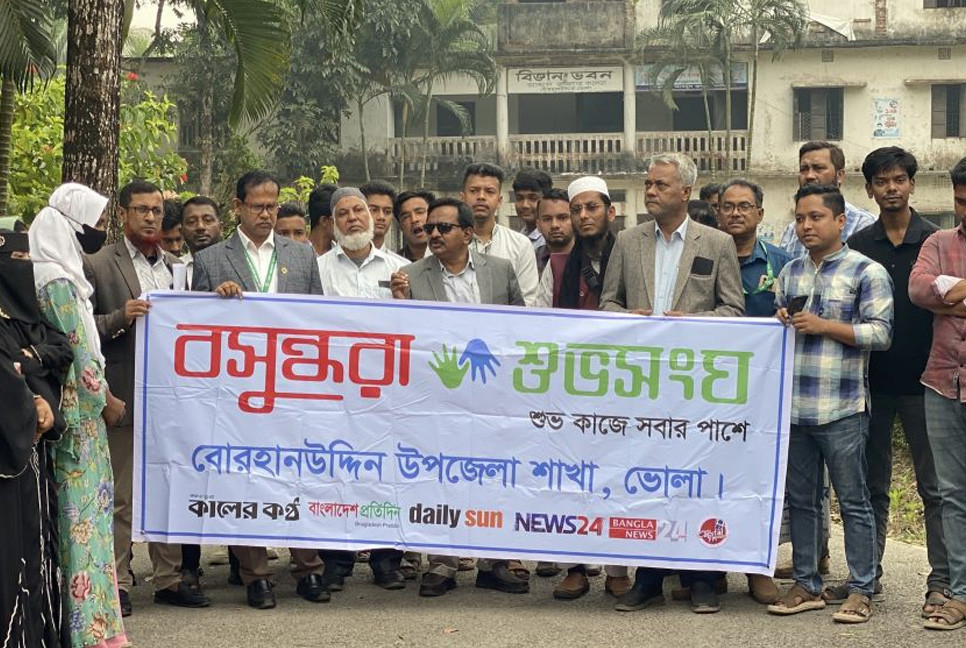
In an effort to confront these growing challenges and prepare the next generation, the Borhanuddin upazila unit of Bashundhara Shuvosangho organised a discussion titled “Actions to Combat the Impacts of Climate Change.”
The event was held on Saturday noon on the premises of Government Abdul Jabbar College.
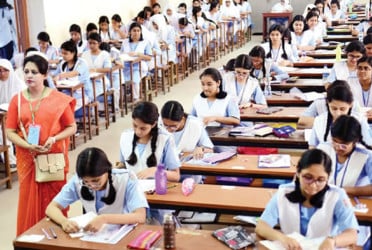
Local teachers, college students, environmental activists, journalists, and people from various professions attended the programme, which was presided over by journalist Abul Bashar, president of the Borhanuddin unit of Bashundhara Shuvosangho.
Speakers highlighted the alarming environmental degradation in the coastal district of Bhola, noting that climate impacts are intensifying each year.
Uncontrolled air and noise pollution, indiscriminate installation of deep tube wells, and inadequate water bodies have been lowering the groundwater level by 7 to 12 feet annually—rendering many deep tube wells ineffective.
They added that the filling of rivers, canals, and wetlands has severely disrupted natural water retention, posing major threats to agriculture, fisheries, and the local economy.
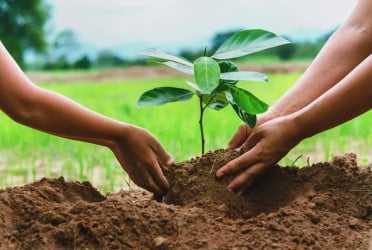
Moazzem Hossain, principal of Government Abdul Jabbar College, said, “With rivers and canals being filled up, the natural system of storing water is collapsing. Farmlands are being destroyed by brick kilns, and the ecological balance is under severe threat. The new generation must lead the movement to save the environment. Voluntary efforts to clean water bodies, plant trees, and control plastic waste are urgently needed.”
He warned that without climate-friendly living practices, Bhola would become even more vulnerable for future generations.
Hasibur Rahman Fahim, general secretary of the Bashundhara Shuvosangho Borhanuddin unit, said, “Climate change is no longer a distant issue—Bangladesh is already facing serious risks. Discussion alone is not enough; we must build genuine awareness among all citizens. Water conservation, tree planting, and proper waste management must become part of our daily habits.”
Students from various departments of Government Abdul Jabbar College praised the environmental initiatives taken by Bashundhara Shuvosangho.
They said, “The organisation’s work on climate resilience inspires our youth. We extend our sincere appreciation from the college community.”
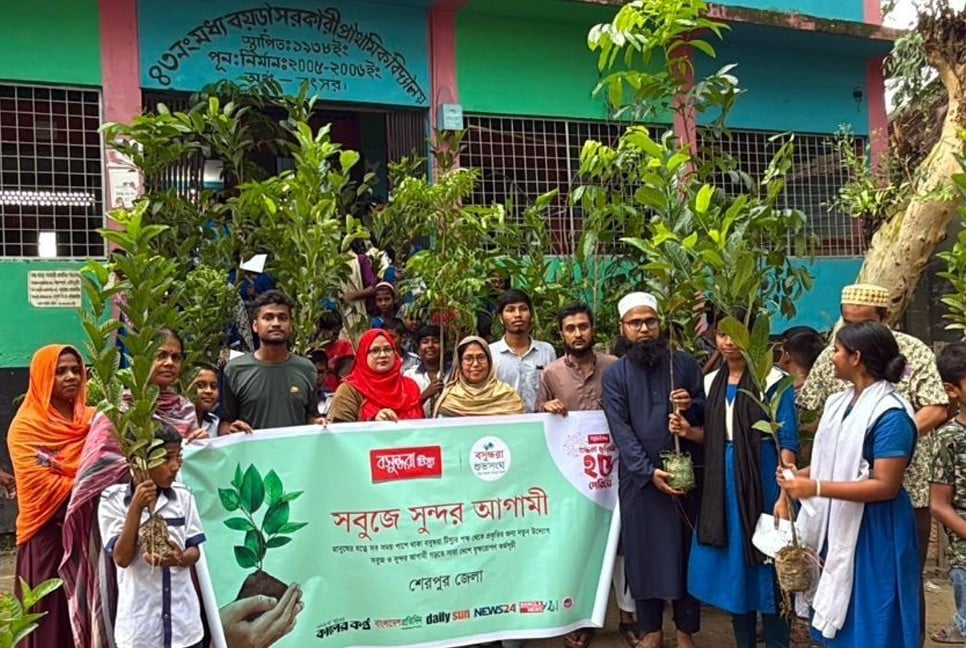
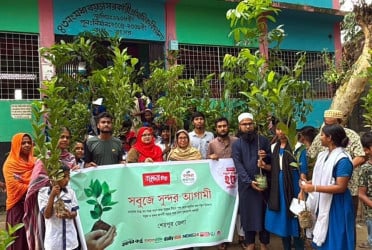
In his concluding remarks, President Abul Bashar announced that Bashundhara Shuvosangho aims to transform Borhanuddin into a climate-friendly model upazila.
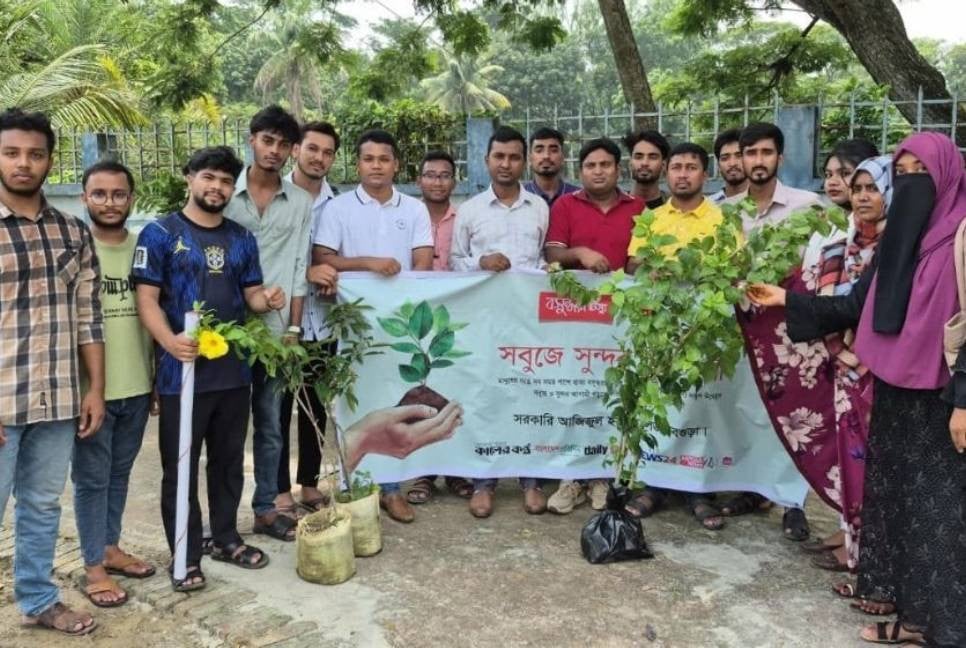
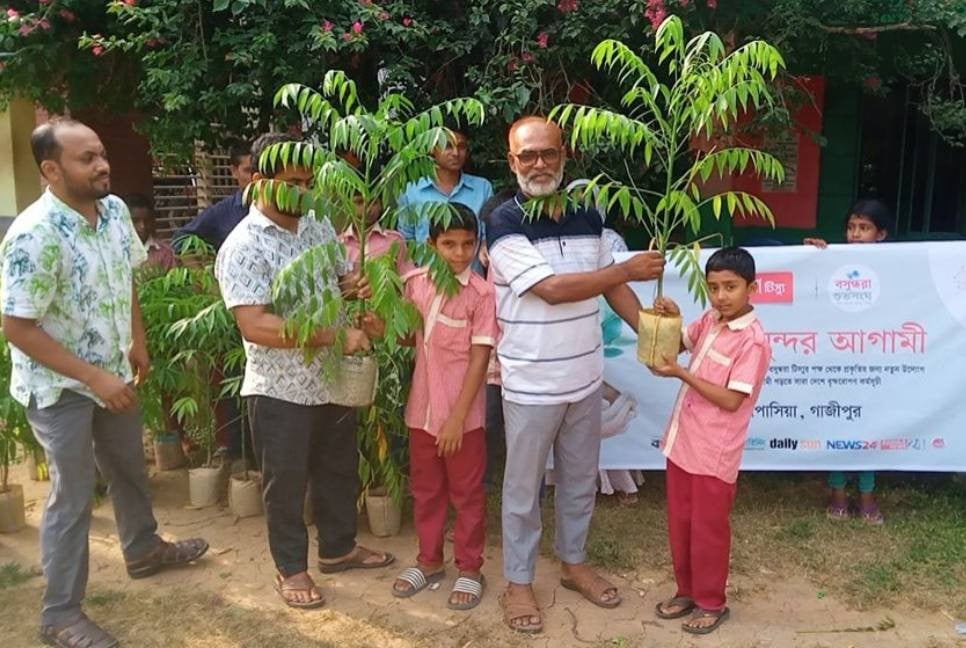
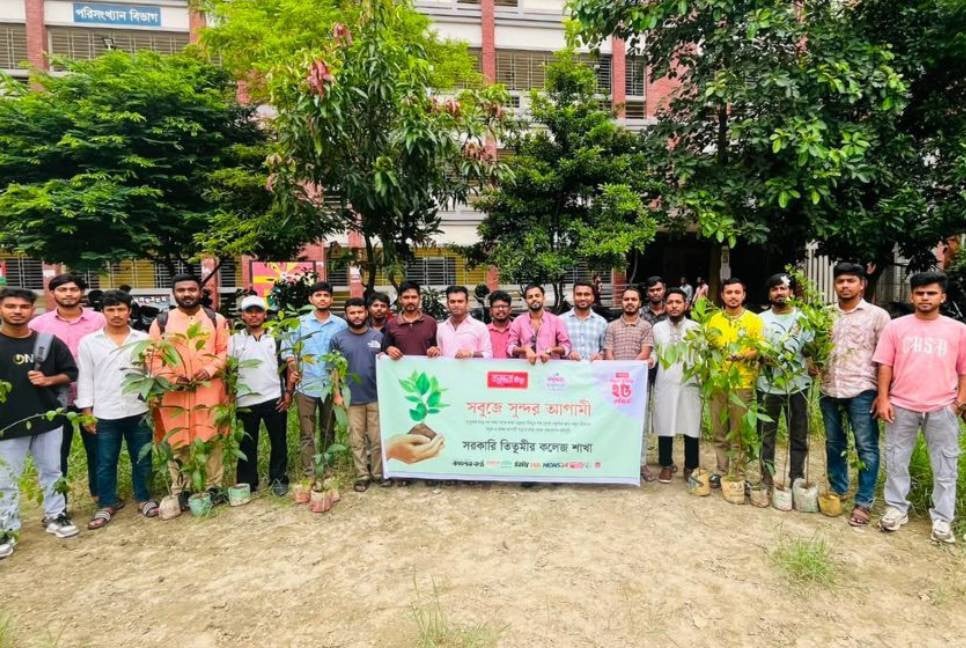
He said the organisation will implement programmes focused on awareness-building, tree plantation, cleanliness, water conservation, and improved waste management in collaboration with educational institutions, local administration, and the community.
At the end of the event, informational leaflets were distributed among participants to promote climate-conscious behaviour.
The organisers also announced plans for a larger-scale environmental campaign in the near future.
Bd-Pratidin English/ AM