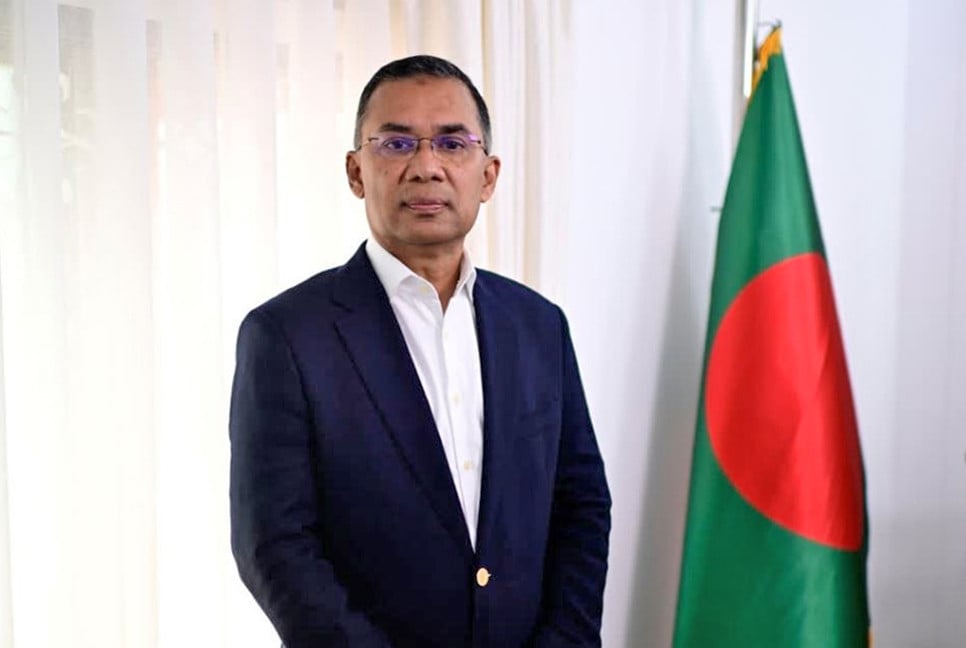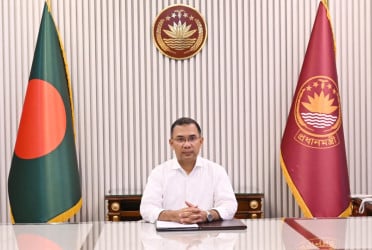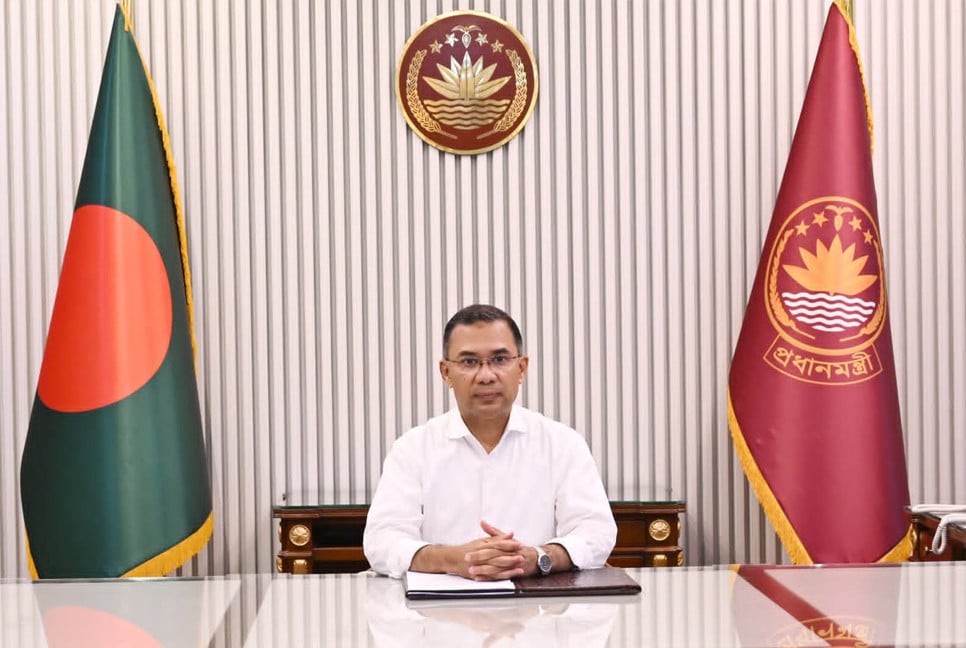
After nearly two decades, the BNP – under the leadership of Tarique Rahman – has returned to power. From the outset, the prime minister has signalled a shift in governing style, emphasising restraint, austerity, tolerance of dissent and mutual respect. In place of division and the arrogance of power, he appears intent on projecting a more measured, disciplined and understated administration.
From day one, he has moved to curb excess across government. The prime minister’s convoy has been scaled down, and spending at the Prime Minister’s Office significantly reduced, replaced by a more modest and tasteful approach to official hospitality. He has set a personal example in cutting waste. Yet, while lunch costs at the PMO have reportedly fallen to a fraction of previous levels, some ministries continue business as usual – ordering meals from five-star hotels. Such practices are not only wasteful; they run directly counter to the prime minister’s stated vision.
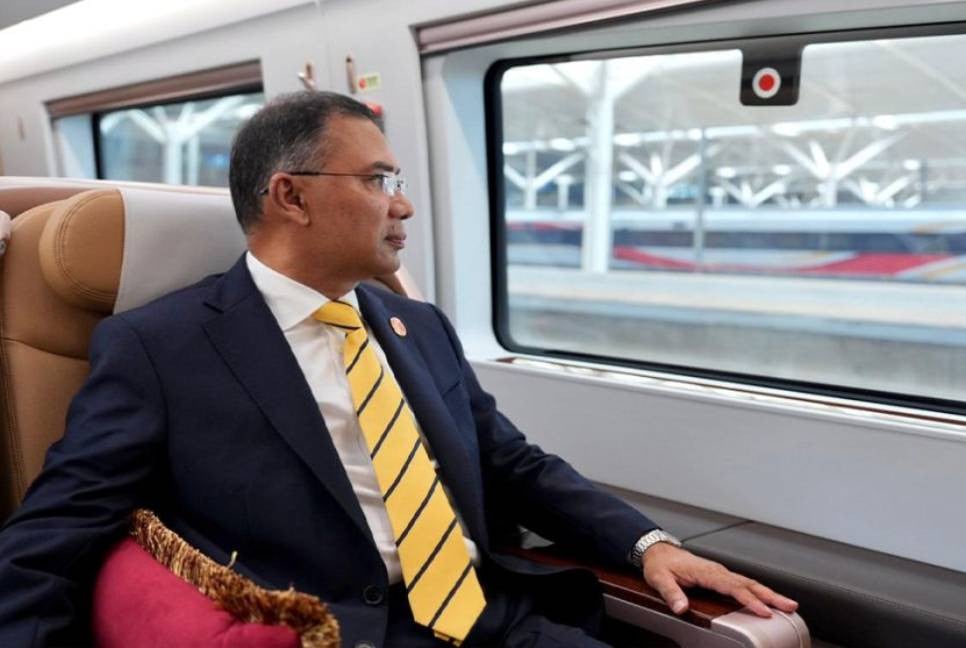
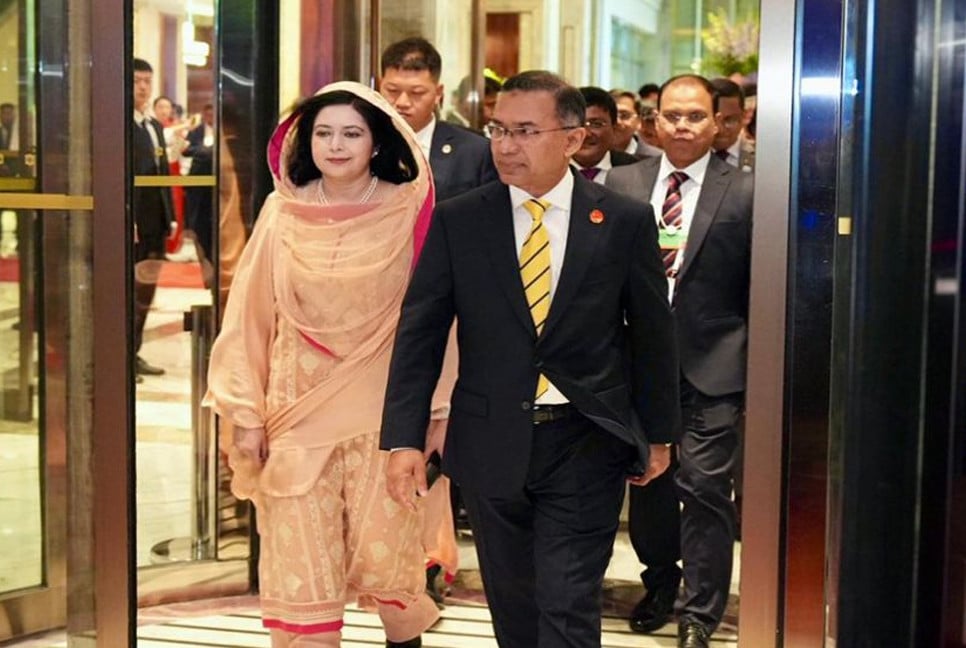
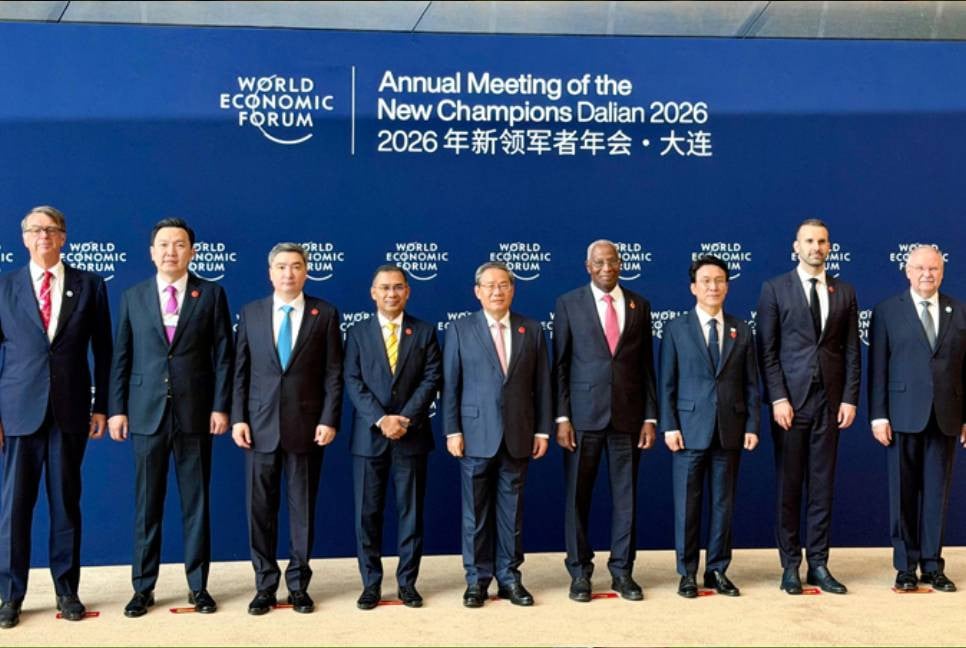
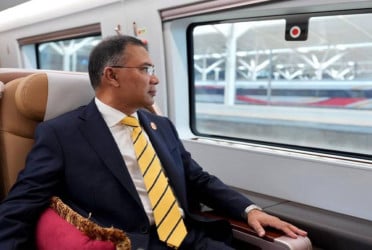
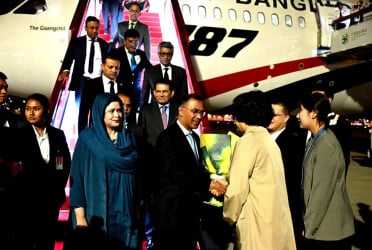
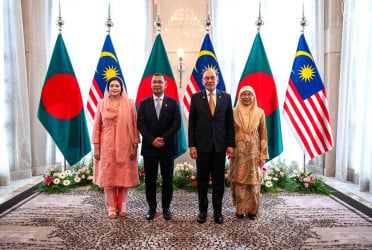
A similar contrast is visible in the approach to foreign travel. Tarique Rahman has adopted a restrained policy, limiting delegations to essential personnel. His first official visits – to Malaysia and China – were undertaken with small teams and on regular commercial flights. This marks a clear departure from past practices. However, not all within the government appear to have taken the hint. Reports of officials lobbying for overseas trips on trivial pretexts – from mosquito control to lift technology – risk undermining this message. While the prime minister has so far kept such tendencies in check, the optics are troubling and risk eroding public confidence.
The prime minister has also sought to change the culture of domestic travel. Official visits outside Dhaka no longer automatically entail helicopters and sprawling motorcades. Instead, he has opted for commercial flights, setting a tone of simplicity. Senior leaders such as Mirza Fakhrul Islam Alamgir have followed suit. Yet some newer figures continue to favour helicopters for routine trips, clinging to the trappings of power. This inconsistency is difficult to defend.
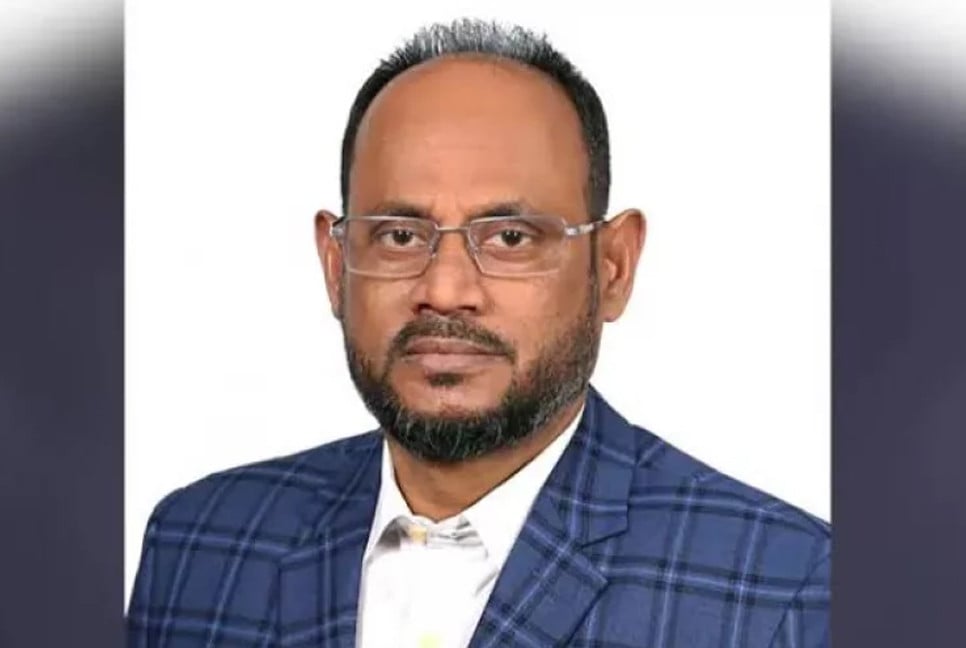
Equally significant is the prime minister’s stance on the naming of public institutions. Rejecting a proposal to name a technical institute after his mother, he has signalled a break from the long-standing culture of political patronage in public naming. The move was widely welcomed. Yet the message has not been universally absorbed. A State Minister recently sparked controversy by naming two unions after his son, forcing the prime minister to intervene and reverse the decision. That such a matter required direct intervention raises uncomfortable questions about judgement and accountability within the administration.
On media relations, the prime minister has struck a notably open tone. Despite a demanding schedule, he has met editors and journalists on several occasions and has publicly welcomed criticism. This suggests an effort to rebuild trust and uphold freedom of expression. However, the arrest of a journalist following a report on a State Minister – allegedly with that minister’s involvement – sits uneasily with this approach. At a time when the government claims to be moving away from a more restrictive past, such incidents risk undoing that progress.
The government’s stance against extortion and mob violence has also been firm in principle. Even before taking office, senior party leaders reported the expulsion of thousands of activists over such allegations. Yet troubling allegations persist. A recent case involving the son of an MP – detained and questioned over extortion claims – has again cast a shadow. Whether proven or not, such incidents damage both the government’s credibility and the party’s image.
The BNP has assumed office on the back of a long political struggle and significant public goodwill. The prime minister himself has endured years of political pressure and persecution, and appears determined to chart a different course – one that is more people-oriented and accountable. That intent is visible in several early initiatives.
But intent alone is not enough. For this shift in governance to take hold, ministers and policymakers must align themselves with the prime minister’s approach. At present, a gap remains between stated policy and actual practice. A handful of avoidable missteps are creating unnecessary embarrassment and weakening the broader message of reform.
The appeal, therefore, is straightforward: do not undermine the very standards the prime minister is trying to establish. Act with discipline, restraint and a sense of responsibility because if this government falters, the consequences may extend far beyond a single administration – potentially placing the country’s democratic trajectory at risk.
Bd-pratidin English/ ANI