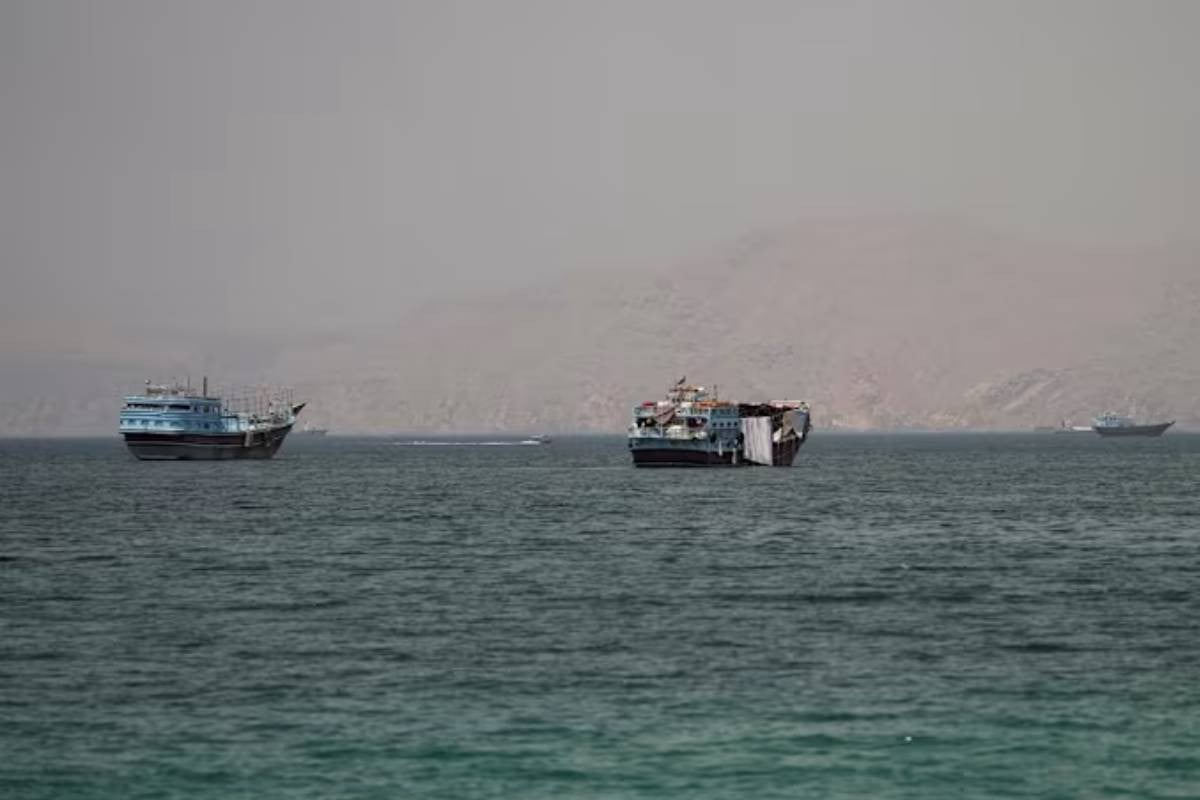
The United Nations' International Maritime Organization (IMO) has begun evacuating more than 11,000 sailors stranded in the Strait of Hormuz after the United States and Iran signed a memorandum of understanding aimed at ending the US-Israel war on Iran.
IMO Secretary-General Arsenio Dominguez said on Tuesday that the operation was being carried out in "close cooperation with Iran, Oman, all other coastal states in the region, the United States and the maritime industry".
"We have secured the necessary safety guarantees and have thoroughly verified the conditions for safe navigation to support these operations," he said.
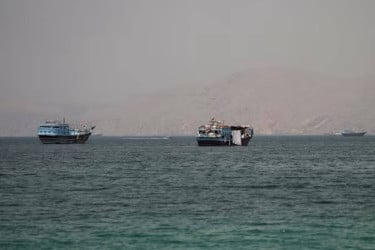
Following the outbreak of the war on February 28, Iran effectively closed the strategic waterway, leaving hundreds of vessels stranded and disrupting global shipping.
Traffic through the strait has increased since the agreement was signed last week. Maritime intelligence firm Kpler reported that at least 36 commercial vessels passed through the waterway on Monday, the highest daily total since the conflict began.
According to Oman's Defence Ministry, the evacuation plan will be implemented in phases.
"Given the elevated risk of collision in the current environment, a gradual and controlled evacuation of vessel traffic is required," the ministry said.
Denmark announced on Tuesday that it would join a maritime mission led by France and Britain to help restore safe passage through the strait.
Speaking from the Strait of Hormuz, Al Jazeera correspondent Tohid Asadi said discussions between Washington and Tehran had shown signs of progress.
"Today, we've got a joint statement by the Omani and Iranian sides saying they are talking about mechanisms to reopen trade through the Strait of Hormuz. This is a positive indication," he said.
"However, it remains to be seen how long it's going to take for the strait to reopen, and until then, we see hundreds of ships stranded on both sides of Hormuz."
Meanwhile, US Secretary of State Marco Rubio arrived in the United Arab Emirates and reiterated that Iran would not be permitted to impose tolls on ships using the waterway under any final agreement.
"It's an international waterway. No country is allowed to charge tolls or fees on an international waterway," Rubio said.
Iranian Parliament Speaker Mohammad Bagher Ghalibaf, who has played a leading role in negotiations, said earlier that the Strait of Hormuz "will never return" to its pre-war status despite efforts by both sides to keep the route open.
The Strait of Hormuz remains one of the world's most important energy and trade corridors, making its full reopening a priority for global shipping and energy markets.
Source: AFP/ Reuters/ Al Jazeera/ BBC
Bd-pratidin English/ Jisan