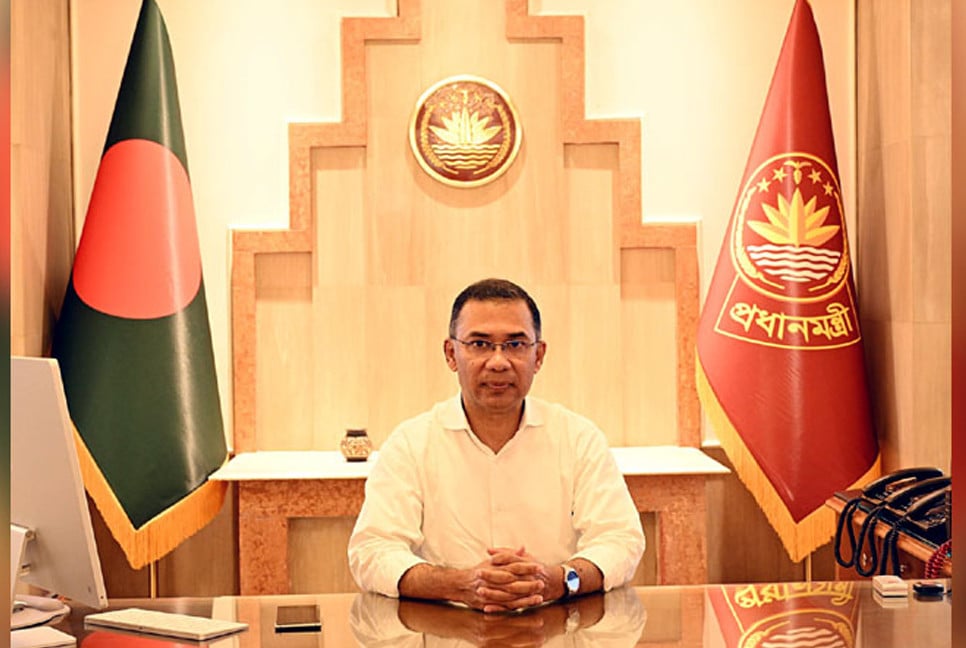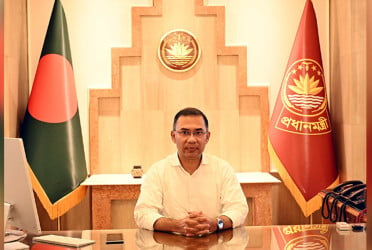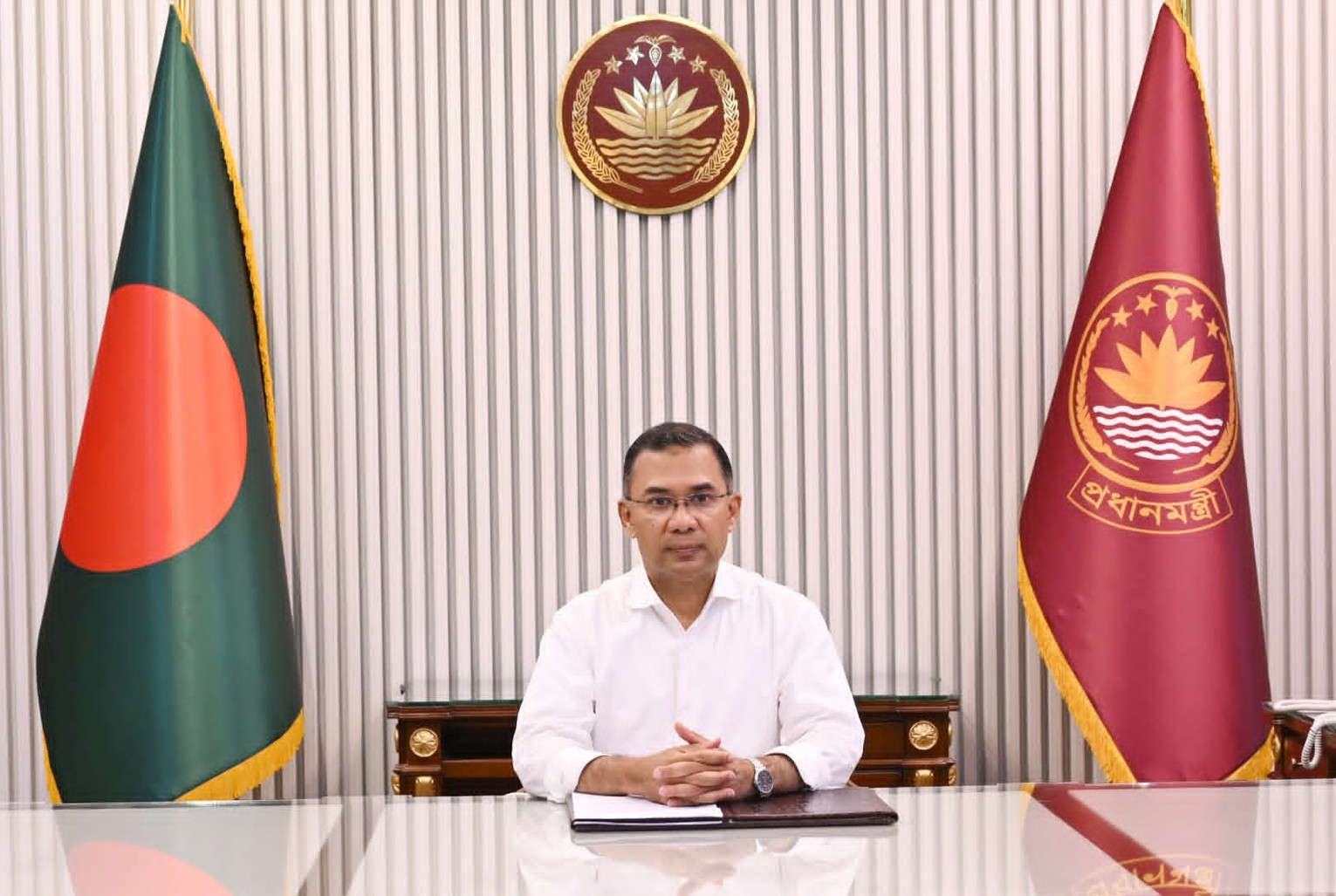
Prime Minister Tarique Rahman is set to embark on his first overseas tour as PM, visiting Malaysia and China in a landmark diplomatic engagement that is expected to deepen Bangladesh’s economic and strategic partnerships.
At the invitation of Malaysian Prime Minister Anwar Ibrahim, he will depart for Kuala Lumpur on Sunday on a two-day state visit. After completing the Malaysia tour, he will travel to China on Monday evening for a four-day official visit.
During the two-country tour, the Prime Minister is scheduled to hold bilateral meetings with Malaysian Prime Minister Anwar Ibrahim and Chinese President Xi Jinping. At least 20 memorandums of understanding (MoUs) are expected to be signed covering various sectors of cooperation.
Diplomatic analysts have described the twin foreign visits as potentially reshaping regional geopolitics, marking a significant moment in Bangladesh’s foreign policy direction.
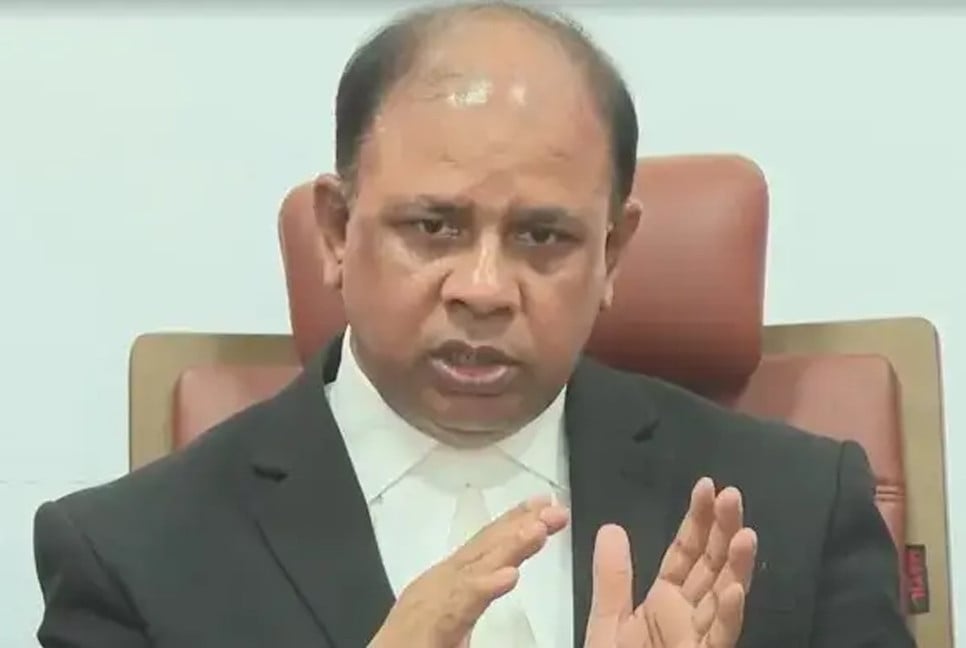
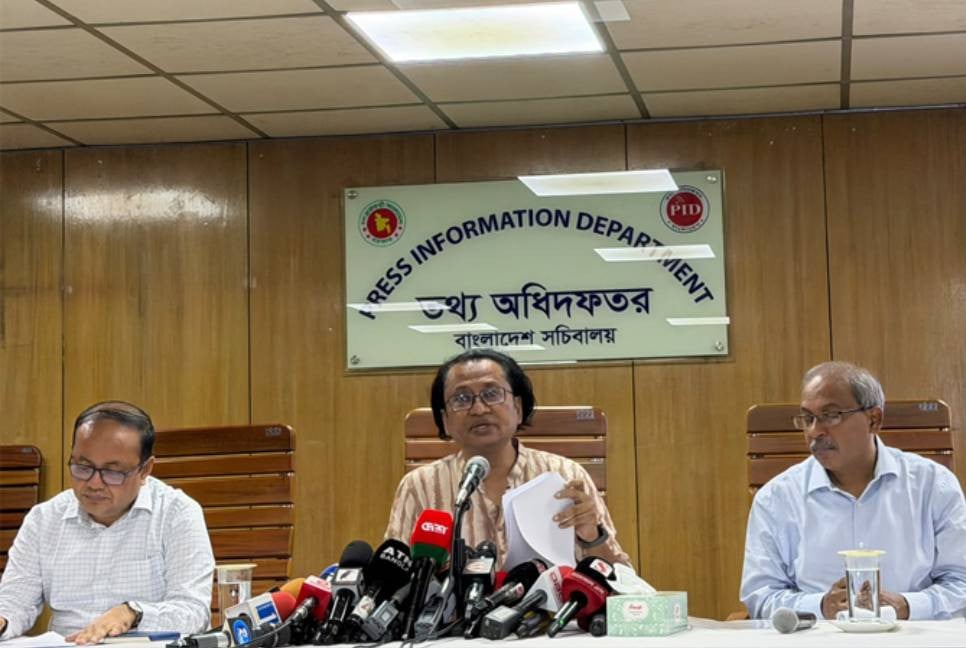
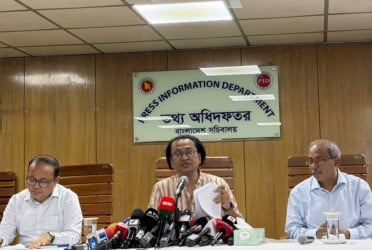
Speaking at a press briefing at the Ministry of Foreign Affairs on Saturday, Foreign Secretary Asad Alam Siam said the Prime Minister will visit Malaysia for a two-day official programme before proceeding to China from June 23 to June 26.
The visit is expected to further expand Bangladesh’s economic and diplomatic relations with both countries. The accompanying delegation has been kept relatively small, comprising 27 to 28 members, including senior cabinet members and advisers.
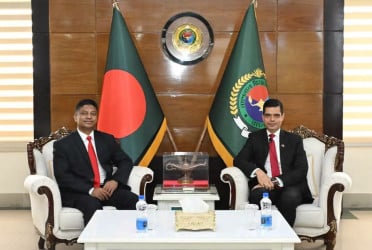
During the Malaysia visit, the Prime Minister will hold a one-on-one meeting with Malaysian Prime Minister Anwar Ibrahim, followed by a high-level bilateral meeting between the two sides.
The discussions are expected to focus on trade and investment expansion, energy cooperation, halal economy, semiconductor industry, agriculture, education, and people-to-people connectivity. Bangladesh is also expected to seek Malaysia’s support on labour recruitment, ASEAN membership, and Rohingya repatriation.
Two separate documents on cultural exchange and a proposed free trade agreement are likely to be signed during the visit.
On the China leg of the tour, between 15 and 17 MoUs and agreements are expected to be signed, including 13 MoUs, two agreements, one action plan, and one protocol. Discussions on the Teesta Master Plan are also expected to feature prominently.
In China, the Prime Minister will arrive in Dalian on Monday evening after concluding the Malaysia visit. On Tuesday, he is scheduled to meet the President and CEO of the World Economic Forum (WEF) and hold bilateral meetings with leaders from Kazakhstan, Mongolia, and South Korea attending the Summer Davos.
He will deliver a keynote speech at a WEF session titled “Climate Leadership in a Shifting Global Landscape” and later attend a welcome banquet hosted by Chinese Premier Li Qiang.
On Wednesday, he will attend the opening ceremony of the 13th Annual Meeting of the Summer Davos before travelling to Beijing by train, where he will stay at the State Guest House.
On Thursday, the Prime Minister will hold separate meetings with senior Chinese Communist Party officials and the Chairman of the China Exim Bank. He will also address the Bangladesh Investment Forum organised by BIDA, urging Chinese investors to invest in Bangladesh.
Later, he will hold a bilateral meeting with Chinese Premier Li Qiang at the Great Hall of the People, followed by the signing of several MoUs in the presence of both sides. A state banquet will also be hosted in his honour.
On the final day of the visit, Friday, he will meet Zhao Leji, Chairman of the Standing Committee of the National People’s Congress, before holding a bilateral meeting with Chinese President Xi Jinping.
The meeting is expected to cover bilateral, regional, and global issues of mutual interest. The Prime Minister will also pay tribute at Tiananmen Square before departing Beijing for Dhaka in the afternoon.
Meanwhile, reactions from experts and stakeholders have highlighted the significance of the visit. Former Bangladesh Association of International Recruiting Agencies (BAIRA) leader Mohammad Fakhrul Islam said reforms are needed in Malaysia’s labour recruitment system, stressing transparency and national interest over syndicate-based practices.
Former Dhaka University Professor Dr M Shahiduzzaman said the visit could bring a notable shift in South Asian geopolitics, potentially reducing India’s long-standing influence over Bangladesh while expanding China’s role in the Bay of Bengal region. He also noted possible shifts in the Indo-Pacific strategic balance.
Analysts believe the tour may mark a new phase in Bangladesh’s regional diplomacy and geopolitical positioning.
Bd-Pratidin English/ AM