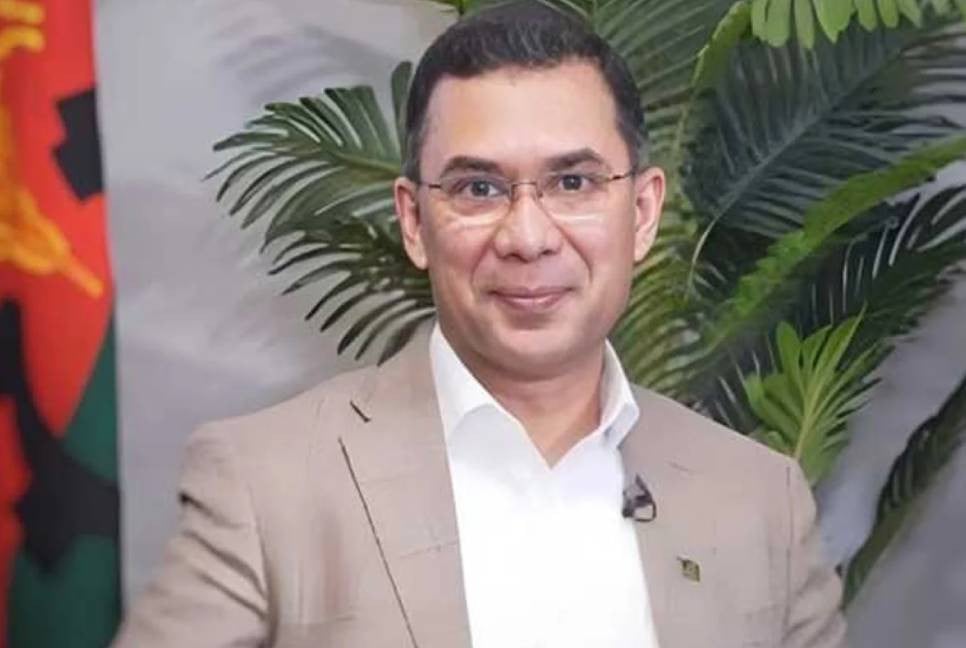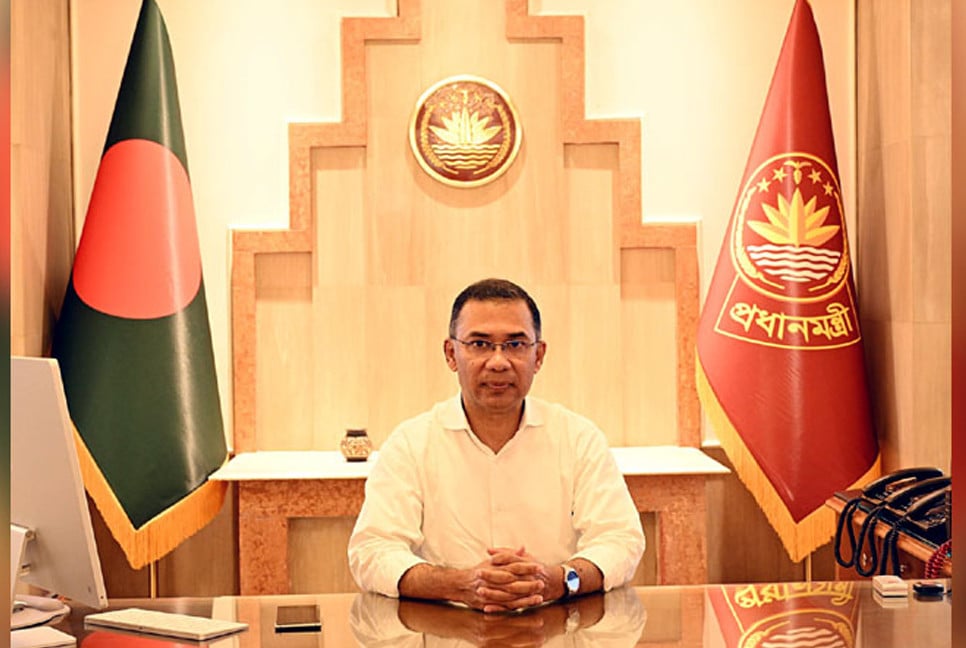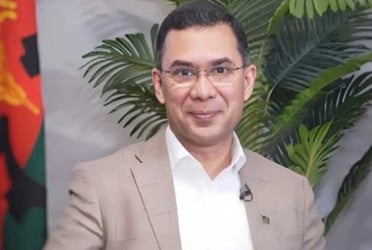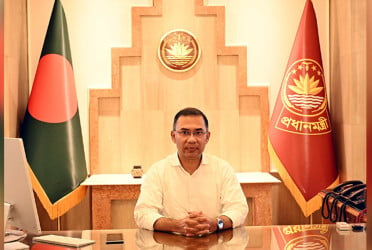
Prime Minister Tarique Rahman has announced a strategic roadmap to boost the country’s education sector, reports Daily Sun.
The government has taken plan to raise annual budget allocation for education to 5% of the GDP in a phased manner.
To achieve this, 43 specific areas have been identified for short, medium and long-term development, he said.
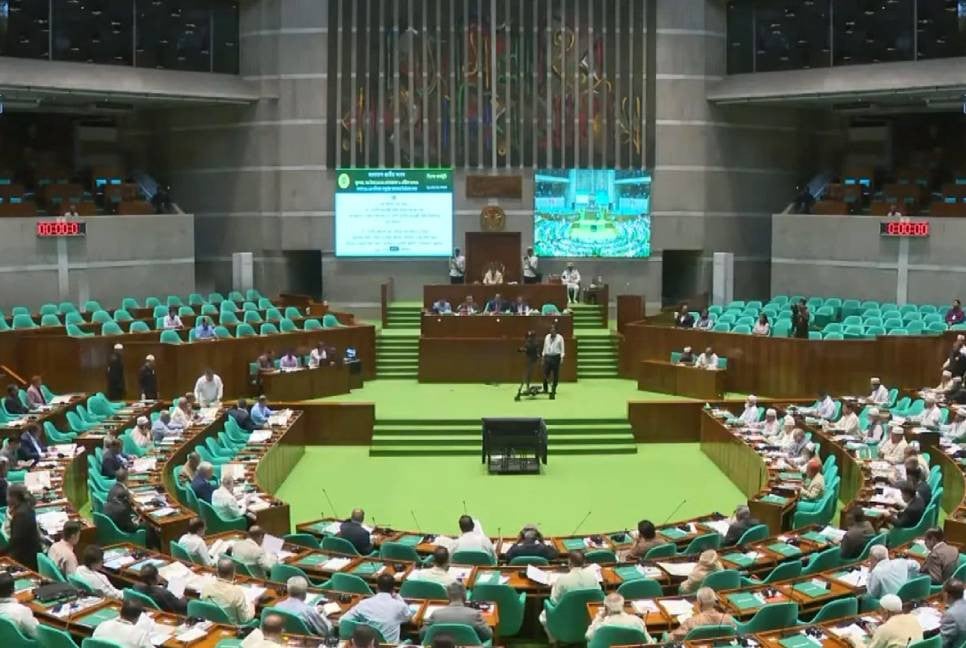
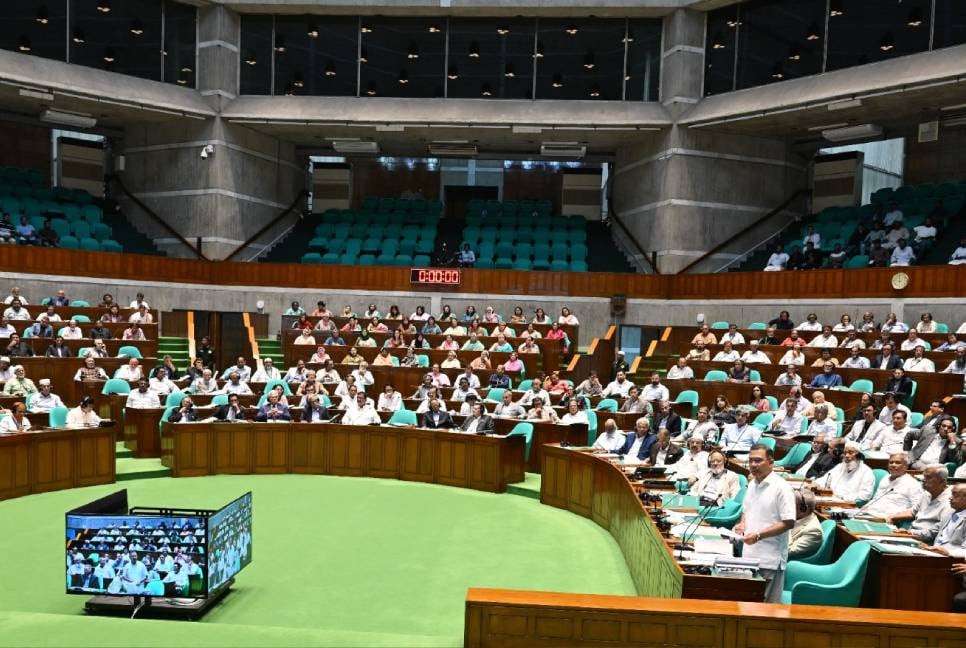
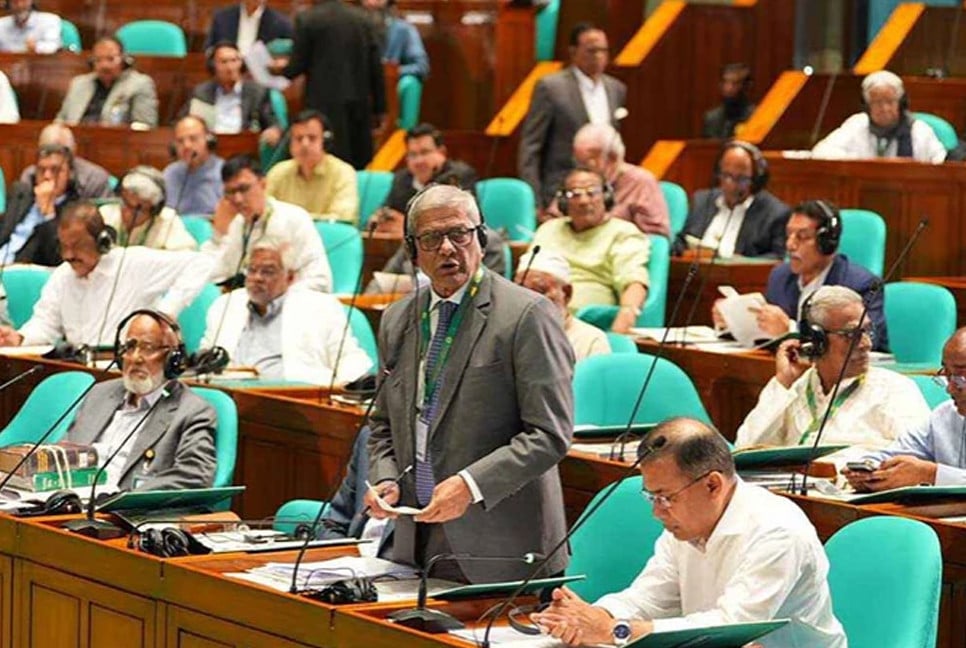
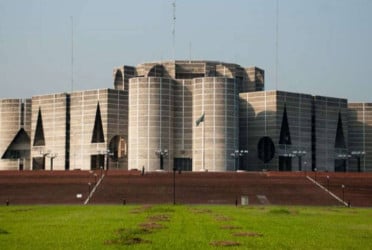
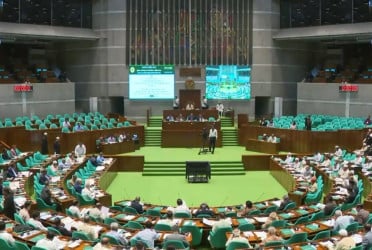
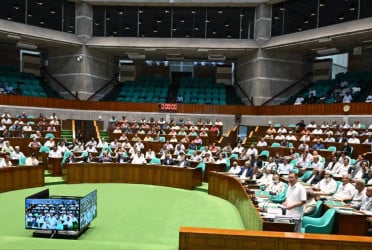
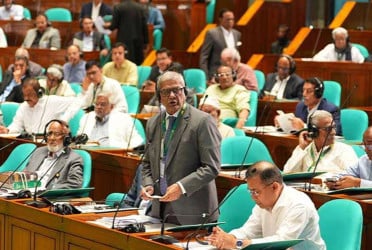
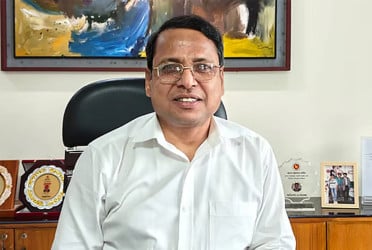
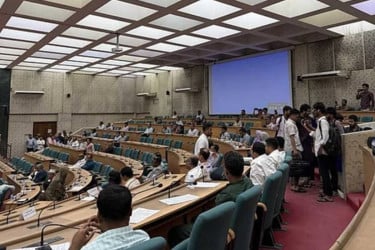
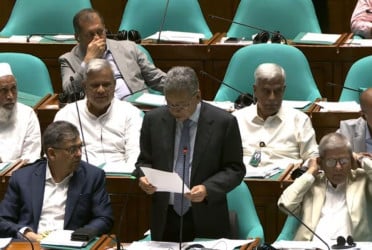
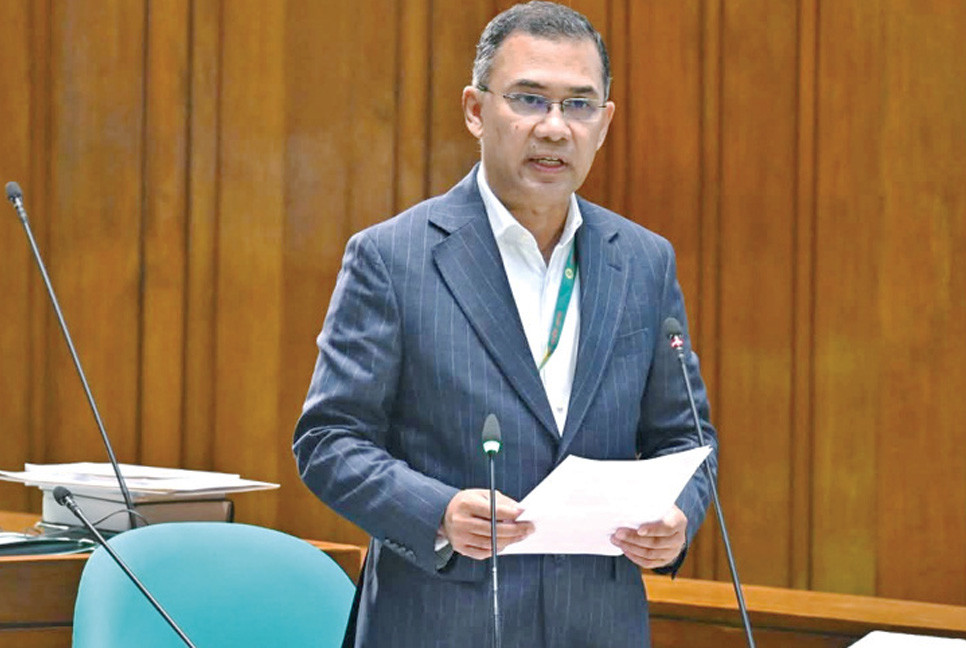
The PM shared the government’s plan during the question-answer session in the Parliament on Wednesday, responding to a question placed by Sirajganj-1 MP Selim Reza. The PM’s answers and answers from other ministers were tabled in the House.
Detailing the government's commitment to modernization of the education system, Tarique Rahman said, “Our goal is to ensure that education is not only accessible but also meets international standards. We are working to address the goal.”
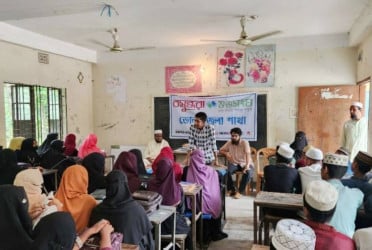
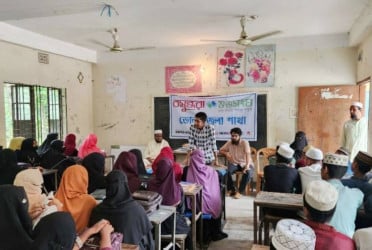
In a move to encourage school attendance, he also revealed a massive social safety net initiative within the education sector.
Under this initiative, two lakh primary students will be provided with free school dress this fiscal year.
This initiative will play a vital role in alleviating the financial burden on marginalized families and fostering a sense of equality among students, he said.
According to the PM, free Wi-Fi will be installed in 1,500 schools, colleges and universities across the country.
On the other hand, 2,336 technical institutions and 8,232 madrasas will receive free Wi-Fi within the next 180 days.
The Bangladesh Computer Council (BCC) under ICT Division will initiate training for students in Artificial Intelligence (AI), Cyber Security, Python Programming, and Flutter-based App Development within the next six months.
The PM also said that the government plans to establish technical schools and colleges in every upazila and polytechnic institutes in every district.
Mandatory technical education is also being introduced at the secondary level alongside general education, he added.
In response to another star-marked question from Dhaka-19 MP Dewan Mohammad Salahuddin, the PM also outlined the government’s roadmap for the tourism sector. He detailed plans for significant budgetary increases and technological integration.
He highlighted five key election pledges-- Ensuring tourist safety and formulating tourist-friendly policies; Training and development for tour guides; Promotion of Culinary Tourism; Development of Community, Ethnic, and Water-based Tourism; and Expansion of Eco-tourism and Rural Tourism.
The House was informed that currently over 30 districts have been identified as attractive tourist spots, and plans are underway to foster competitive, culture-based tourism across all districts.
Bd-Pratidin English/ AM