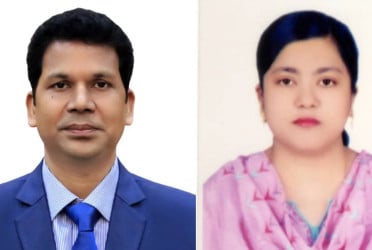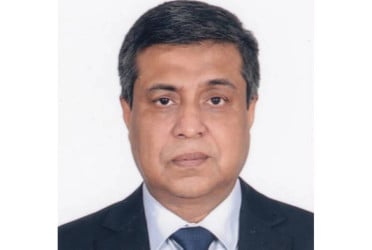
Bangladesh Federal Union of Journalists (BFUJ) Acting President Obaidur Rahman Shaheen, and General Secretary Kader Gani Chowdhury, along with Dhaka Union of Journalists (DUJ) President Md Shahidul Islam, and General Secretary Khurshid Alam, have strongly condemned and protested against the recent threats and unwarranted interference targeting the media.
In a joint statement issued Monday, they remarked that one of the key objectives of the July Uprising was to restore freedom of speech that had been stifled under the authoritarian rule of Sheikh Hasina.
“However, it is regrettable that some of the key leaders of that very uprising are now engaged in vilifying and threatening journalists. Instead of allowing the media to flourish independently, such threats are both inappropriate and unacceptable,” they said in the statement.
They cited a recent incident where a senior leader of the NCP (National Citizens Party) issued threats against journalists in Rajshahi, describing it as a clear obstacle to the cause of independent journalism.
The journalist leaders added that the remarks made by the NCP leader echoed the “ominous footsteps of fascism.” They reminded that journalists were not threatened, nor was mob justice pursued, by the students and citizens who risked their lives for the July Uprising. They further addressed the NCP leader directly, saying, “let us remind you that during the fallen fascist regime, over 60 journalists were killed. During the July Uprising, six journalists were martyred while fulfilling their professional duties. Moreover, during the July-August period, journalists actively participated in street movements in solidarity with the student protests.”
The statement further stressed that one of the principal goals behind the bloody mass uprising of students and citizens in July was to ensure freedom of expression and press freedom. The threat made by the NCP leader to journalists goes against the very spirit of the July Uprising. It is disappointing and unexpected coming from a student leader who was a key figure in that mass movement.
The BFUJ and DUJ leaders concluded by saying, “As a traditional platform dedicated to safeguarding journalists' rights and freedom of expression, we have never accepted such unjust and unwarranted interference in the past, nor will we accept it now.”
If anyone has objections or grievances against the media, there are legal avenues available, including the courts and the Press Council. However, taking the law into one's own hands is condemnable. They urged the concerned parties to refrain from such actions immediately.
bd-pratidin/GR