Many now speak of humanity drifting toward World War III, conjuring images of mid‑20th-century clashes. But war evolves—it won’t begin with a June 1941–style blitzkrieg or a Cuban Missile Crisis–type nuclear standoff. In fact, the new world war is already underway—it’s just that not everyone has recognized it yet.
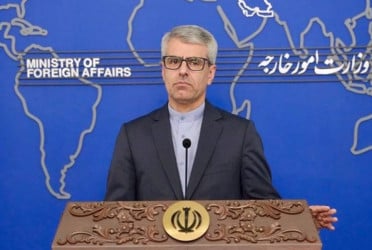
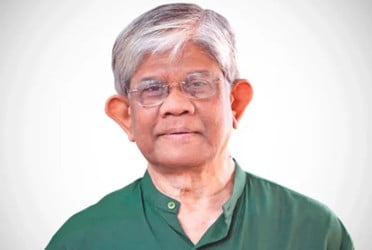
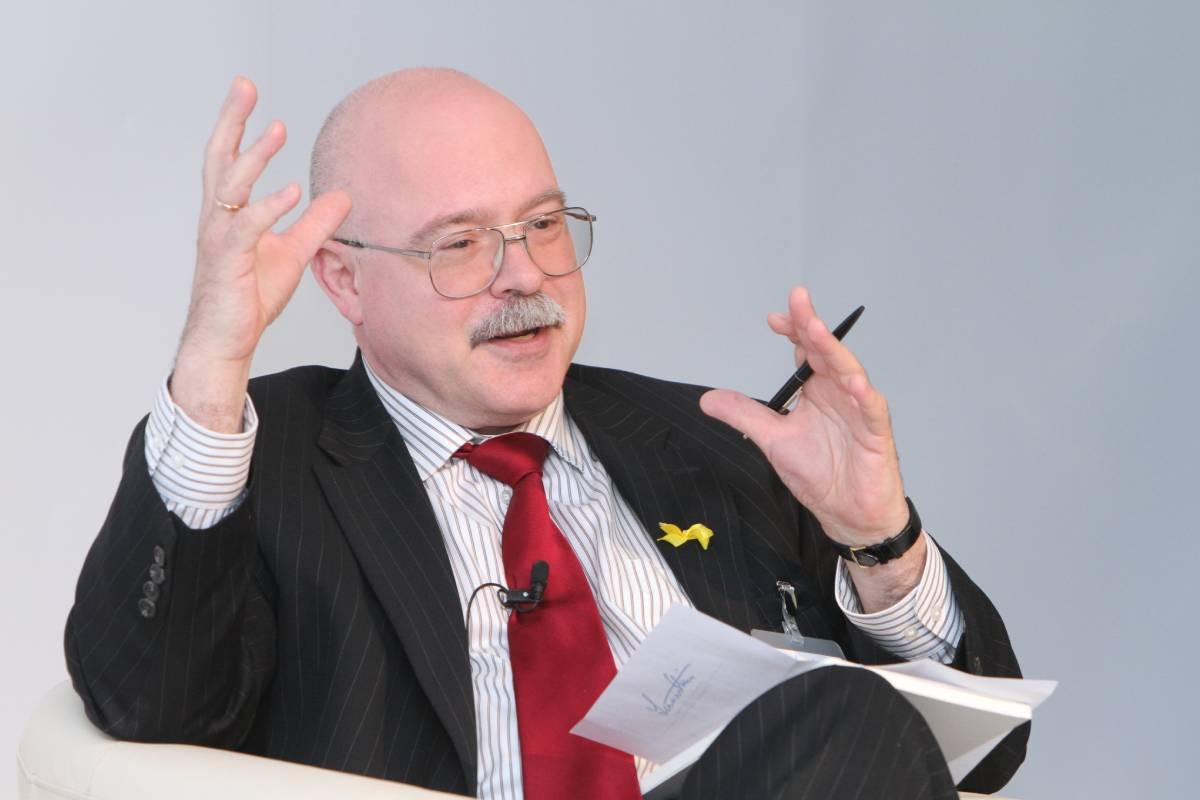
Dmitry Trenin, a Russian research professor at the Higher School of Economics and lead research fellow at the Institute of World Economy and International Relations—and a member of the Russian International Affairs Council (RIAC)—argues that this war has already begun, and that the West aims to destroy Russia. Writing for RT, he observes that, for Russia, the pre-war period ended in 2014; for China, it was 2017; and for Iran, 2023. Since then, modern, diffuse conflict has only intensified. This is not a new Cold War. Since 2022, the West's campaign against Russia has become more decisive, with the risk of direct nuclear confrontation with NATO growing. Although Donald Trump’s return to the White House briefly offered a window to avoid escalation, by mid‑2025 hawks in the U.S. and Western Europe had brought the world perilously close again.
This conflict involves the world's leading powers—on one side the United States and its allies, on the other, China and Russia. It is global not merely because of its breadth, but because of what's at stake: the future balance of power. The West perceives China's rise and Russia’s resurgence as existential threats and has launched a counteroffensive—economic and ideological—to halt that shift.
This is a war of survival—for the West not only geopolitically, but also ideologically. Western globalism—economic, political, cultural—cannot tolerate alternative civilizational models. Post-national elites in the U.S. and Western Europe are determined to preserve their dominance. Accordingly, plural worldviews, civilizational autonomy, and national sovereignty are no longer seen as options, but as threats.
This explains the West’s aggressive posture. When Joe Biden reportedly told Brazil’s President Lula he wanted to “destroy” Russia, he pulled back the curtain on euphemisms like “strategic defeat.” Western‑backed Israel has shown how total this doctrine can be: in Gaza, Lebanon, and Iran. In early June, similar tactics targeted Russian airfields, with reports suggesting U.S. and British involvement. To Western planners, Russia, Iran, China, and North Korea form a united axis—and that perspective is driving strategy.
Compromise is off the table. These are not transient crises, but interlinked, persistent conflicts. Eastern Europe and the Middle East are active flashpoints, and a third—East Asia, especially Taiwan—has long been anticipated. Russia is directly engaged in Ukraine, holds stakes in the Middle East, and may soon be drawn into the Pacific theater.
This war is not about territorial conquest, but destabilization. The strategy prioritizes internal disorder—economic disruption, social unrest, psychological wear. For Russia, the aim is not battlefield defeat, but gradual internal collapse.
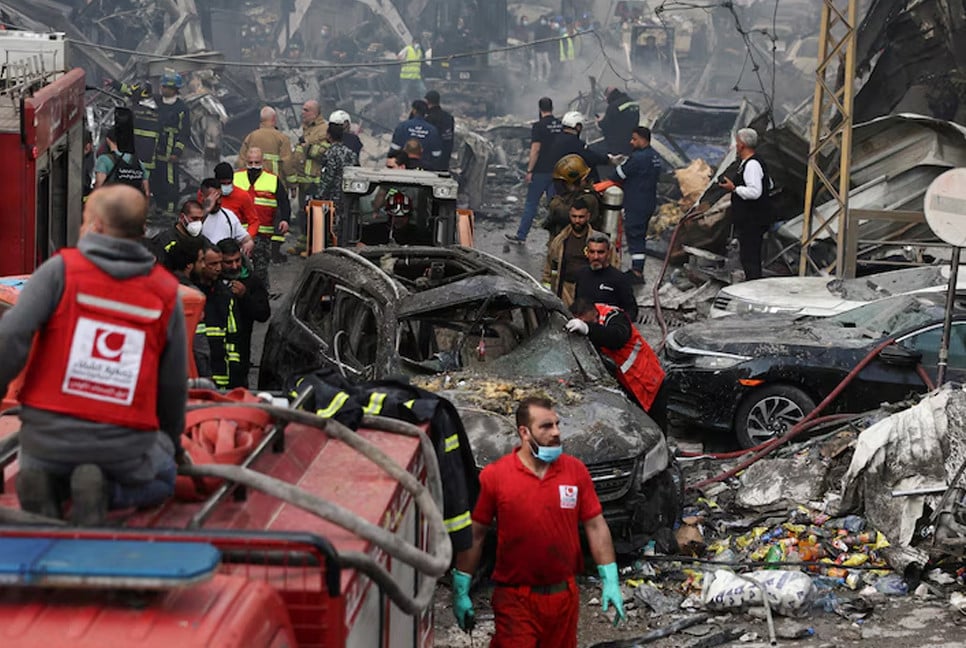
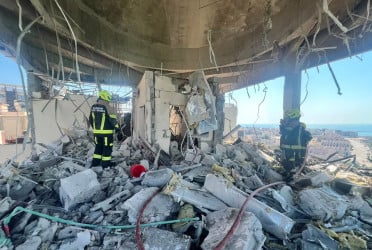
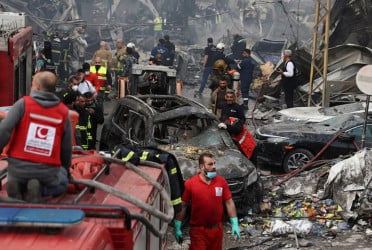
The tactics are comprehensive. Drone strikes now target infrastructure and nuclear facilities. Political assassinations—of journalists, negotiators, scientists, even their families—are no longer taboo. Residential neighborhoods, schools, and hospitals are no longer collateral damage—they are deliberate targets. This is total war.
Underlying it is a campaign of dehumanization. Russians are portrayed not as adversaries, but as subhuman. Western societies are conditioned to accept this. Information control, censorship, and historical revisionism justify the conflict, and dissenters are branded traitors.
Meanwhile, the West exploits the openness of its adversaries. Russia, long wary of interfering in foreign political systems, must now go on the offensive. Our adversaries coordinate—our task is to fracture their unity. The European Union is not monolithic; Hungary, Slovakia, and much of Southern Europe resist escalation. These fault lines must be deepened.
Western strength lies in elite cohesion and ideological control over their populations—but this unity is not impregnable. The Trump administration offers tactical opportunities. His return has already reduced U.S. involvement in Ukraine. Yet Trumpism should not be romanticized: the American elite remains largely hostile to Russia. There will be no new détente.
The war in Ukraine is evolving into a direct conflict between Western Europe and Russia. British and French missiles already strike Russian targets. NATO intelligence is embedded in Ukrainian operations. EU countries are training Ukrainian forces and coordinating strikes. Ukraine is merely a proxy. Brussels is preparing for a wider war.
The crucial question is whether Western Europe is arming for defense—or attack. Many of its leaders have lost strategic clarity, but their intent is unmistakable. The goal is no longer containment—it is to “solve the Russian question” once and for all. Any illusion of a return to business as usual must be discarded.
We are entering a prolonged war. It will not conclude like World War II in 1945, nor settle into Cold War‑style coexistence. The coming decades will be tumultuous. Russia must fight for its rightful place in a new world order.
What must be done?
First, we must fortify our home front. We need mobilization—not the rigid Soviet model, but intelligent, adaptive mobilization across economic, technological, and demographic sectors. Russia’s political leadership is a strategic asset—it must remain steady and visionary.
We must cultivate internal unity, social justice, and patriotic resilience. Every citizen must grasp the stakes. Fiscal, industrial, and technological policies must reflect the demands of protracted conflict. Fertility policies and migration controls must reverse demographic decline.
Second, we must consolidate external alliances. Belarus is a reliable partner to the west; North Korea has proven loyal to the east. But we lack a southern ally—this gap must be filled.
The Israel–Iran conflict has shown that adversaries coordinate tightly—and so must we. Not by mimicking NATO, but by forging our own model of strategic cooperation.
We should also consider tactical engagement with the Trump administration. If it weakens U.S. pressure in Europe, we should exploit it—yet without mistaking tactics for strategy. U.S. foreign policy remains fundamentally adversarial.
European powers—Britain, France, Germany—must be reminded of their vulnerability. Their capitals are not immune. The same message should be sent to Finland, Poland, and the Baltics. Provocations must be met swiftly and decisively.
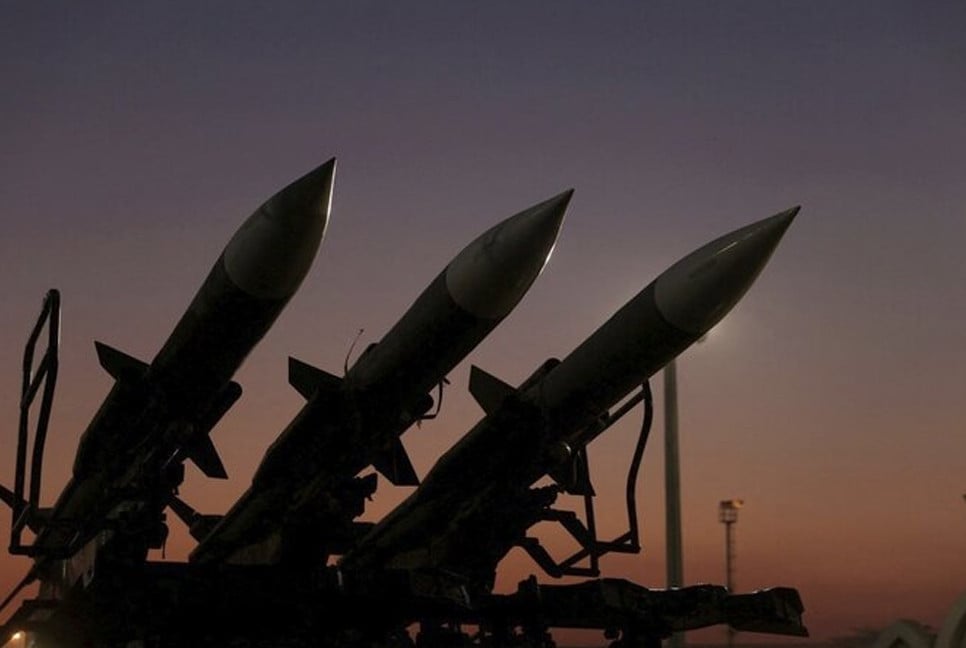
If escalation is inevitable, we must contemplate pre-emptive action—initially with conventional forces. And if necessary, we must be prepared to use “special means,” including nuclear weapons, fully aware of the consequences. Deterrence must be both passive and active.
Our mistake in Ukraine was waiting too long. Delay created the illusion of weakness. That mistake must not be repeated. Victory means undermining the enemy’s strategy, not necessarily occupying territory.
Finally, we must break through the West’s information shield. Today’s battlefield includes narratives, alliances, and public opinion. Russia must reengage in foreign domestic politics—not as an aggressor, but as a champion of truth.
The time for illusions is over. We are already in a world war. The only path forward is bold, strategic action.
Origianl Source: RT
Bd-pratidin English/ Jisan