‘World No Tobacco Day’ is set to be observed on Sunday, bringing stakeholders together to raise awareness of the dangers of tobacco use, tactics of the industry, and measures needed to end related addiction.
Building on the 2025 campaign, the observance reaffirms the commitment of the World Health Organization (WHO) to expose new industry strategies and strengthen global policies aimed at protecting young people and communities from addiction.
The campaign will focus on exposing tobacco industry tactics, including the use of synthetic nicotine, nicotine salts and analogues that are designed to increase addiction potential while being marketed as innovative or less harmful products.
It will also push for stronger policy action, including bans on flavours, advertising and promotion, especially across digital and social media platforms, along with stricter regulations on packaging and product design that appeal to youth.
It will further aim to empower young people and the public by providing tools and knowledge to recognize and resist industry influence, alongside ensuring access to evidence-based cessation support.
This year's theme is ‘Unmasking the Appeal- Countering Nicotine and Tobacco Addiction.’
NO TOBACCO DAY IN BANGLADESH
In Bangladesh, the event will be observed under the title ‘Prolobhoner Mukhosh Unmuchan Kori, Tamak O Nicotiner Asokti Protirodh Kori.’
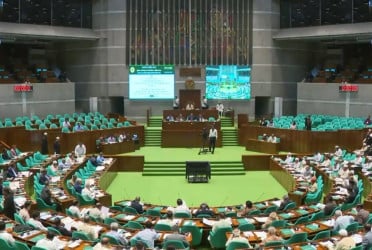
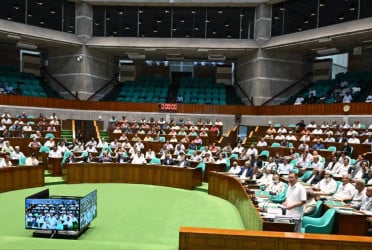
The tobacco control movement of Bangladesh has recently gained momentum with the passage of the Smoking and Tobacco Products Usage (Control) (Amendment) Act, 2026 in Parliament.
However, the exclusion of provisions banning e-cigarettes, vaping, nicotine pouches, and other emerging tobacco products (ETPs) from the law has increased the risk of a new wave of nicotine addiction among youth.
Tobacco and nicotine companies worldwide have long been reinventing and repackaging their products and marketing them through aggressive campaigns with a view to getting children and young people stuck in a cycle of addiction, said a PROGGA press release on Saturday.
It added that tobacco companies have also been portraying ETPs to the youth as a ‘safe alternative’ and ‘less harmful’ in their aggressive marketing campaign, which undoubtedly is far from the truth.
Currently, 37.8 million adults (15 y/o and above) in Bangladesh do use tobacco products on a regular basis. Tobacco-induced diseases claim nearly 200,000 lives each year in Bangladesh.
In 2024, the toll on public health and environment inflicted by tobacco use and production caused the national economy a yearly loss of nearly Taka 87,000 crore which is more than twice the amount of the yearly revenue inflow from tobacco sector, according to the press release.
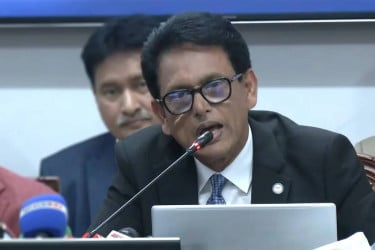
On the occasion of World No Tobacco Day 2026, PROGGA Executive Director ABM Zubair said, “To safeguard the youth from the trap of tobacco and nicotine addiction, we must take rapid and impactful policy action against e-cigarette, vaping and other emerging tobacco products.”
According to PROGGA, to build a tobacco-free generation, the government must effectively implement the recently passed tobacco control law without delay, adopt policy to counter tobacco industry interference and effectively raise prices and taxes on tobacco products to bring these products out of the purchasing capacity of the youth in the upcoming national budget.
Bd-Pratidin English/ AM