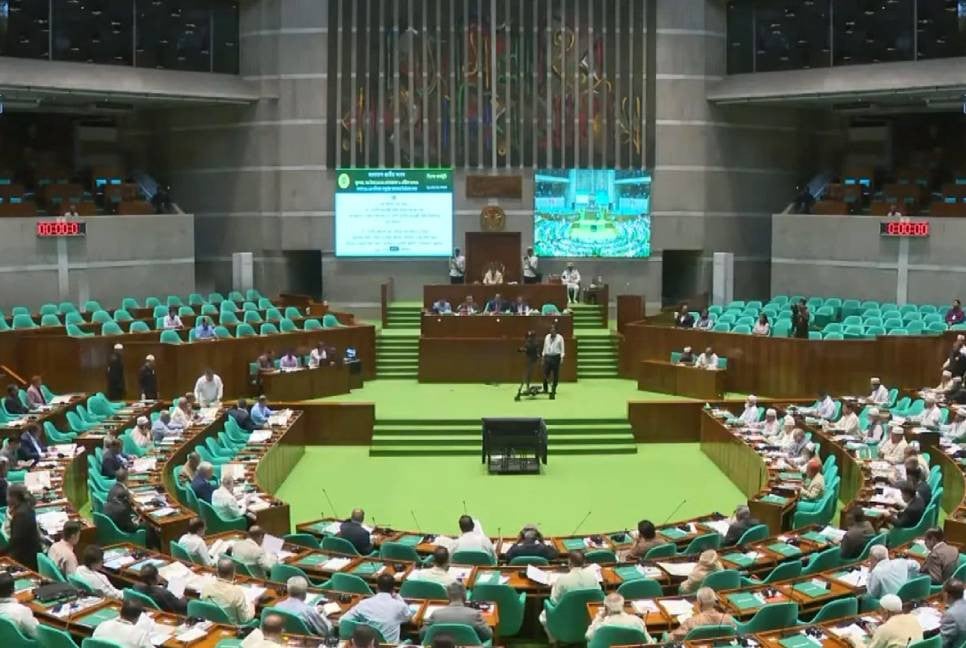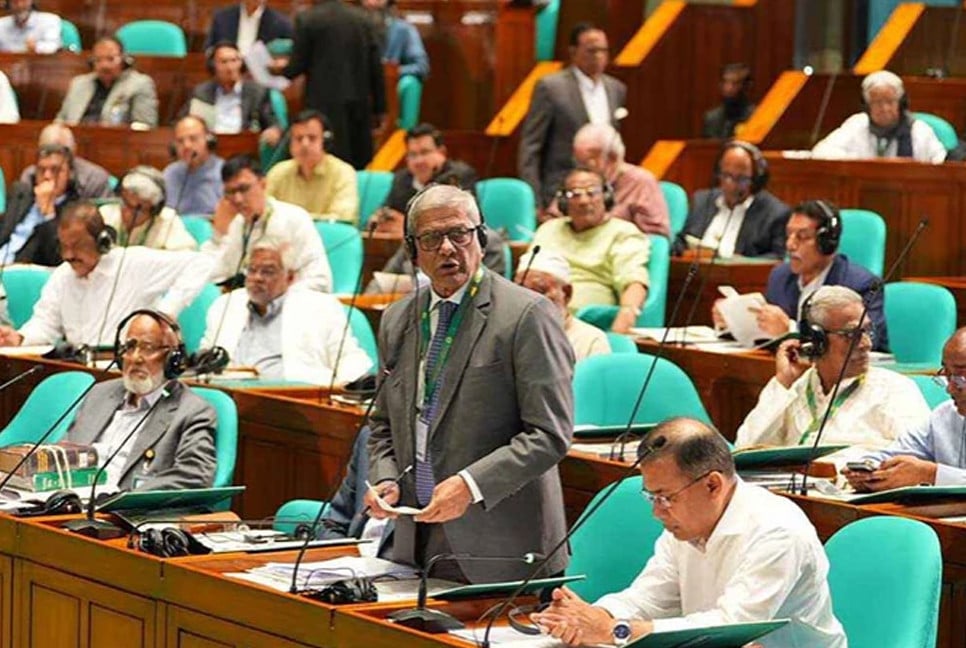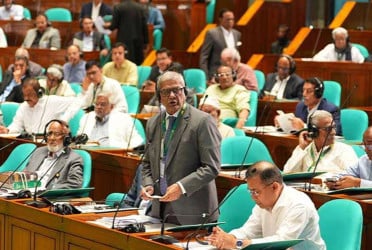
No member of the current parliament is a loan defaulter. Those who are there may be in debt, but they are not defaulters.
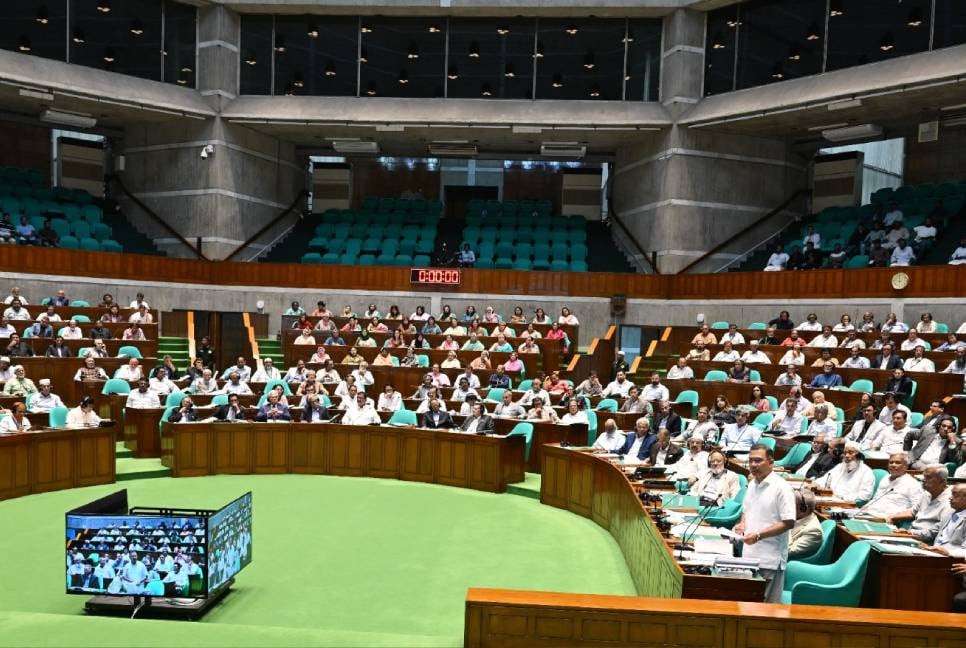
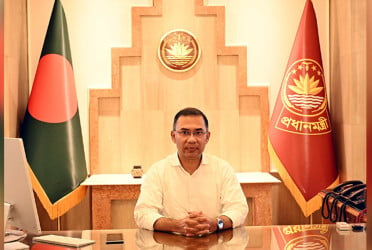
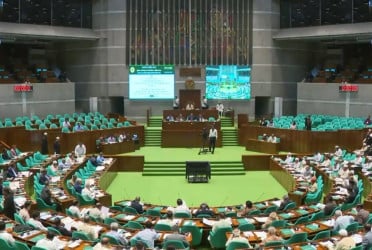
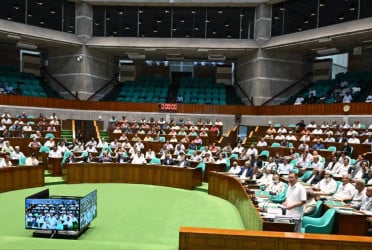
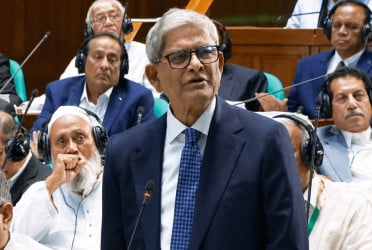
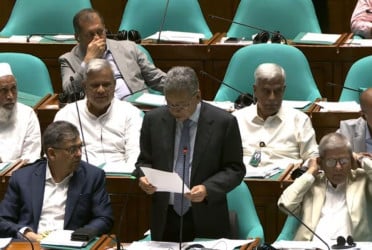
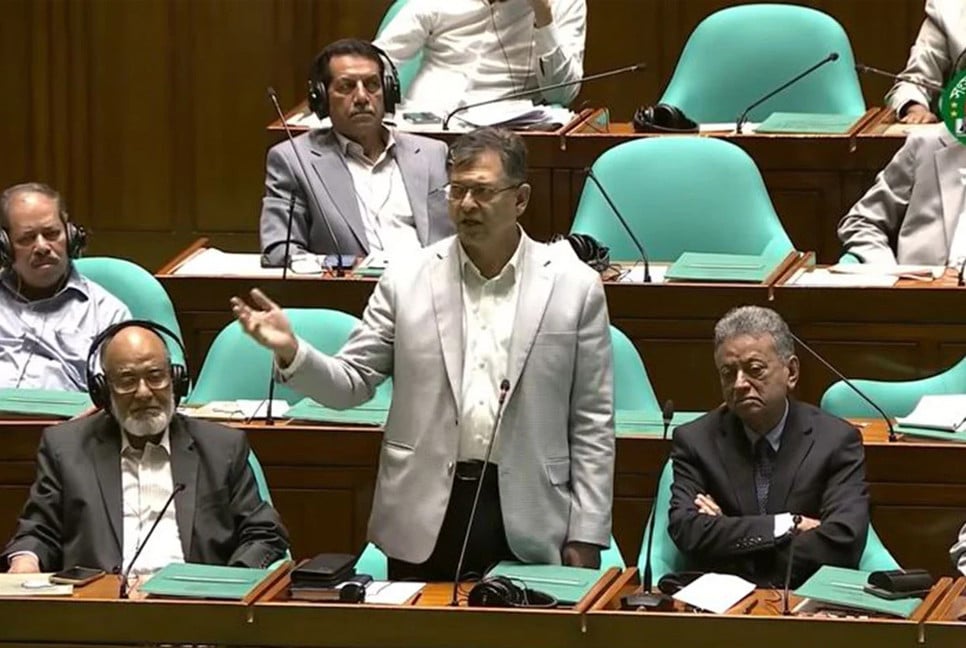
Home Minister Salahuddin Ahmed said this on Thursday in the context of a point of order by Opposition Chief Whip and National Citizens Party (NCP) convener Nahid Islam on Thursday.
The Home Minister said, “According to the law, such as the Representation of the People Order and other rules, if someone is found or declared as a defaulter by the court, he is considered ineligible. He cannot nominate for the post of MP. That is a clear provision.”
He also said, “Being elected to parliament means that the person concerned may be in debt, but not in debt. Now if someone claims that defaulters have been nominated in this parliament, it is in no way consistent with the legal interpretation.”
The Home Minister said, “Even if there are cases against some of those who have been nominated by banks or other private institutions, they have been settled in the High Court or Supreme Court. After being settled by the court and declared as a legitimate candidate, they are no longer loan defaulters. And they have been elected to the parliament. Therefore, it is not correct to call it a 'Parliament of loan defaulters' and it is a defamatory statement. I think it should be expanded.”
On the other hand, Nahid Islam said, “Even before the elections in the parliament, I have spoken against loan defaulters, they have been nominated. Even after the elections, in my first session speech, many parliamentarians mentioned the number of loan defaults they have, I did not reveal their names out of respect for them.”
He also said, “If there are so many loan defaulters in the parliament now, then this parliament will be called a parliament of loan defaulters, or the people of the government party who have a majority, a two-thirds majority, have brought loan defaulters to the parliament— this is what the common people will naturally say.”
Bd-pratidin English/Lutful Hoque