The government has launched a series of nationwide initiatives aimed at making education more engaging, practical and career-oriented while encouraging innovation, entrepreneurship and environmental awareness among students, reports BSS.
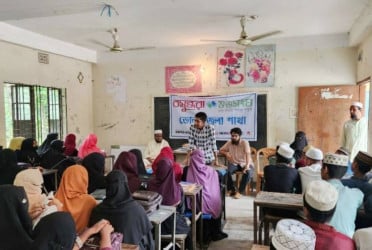
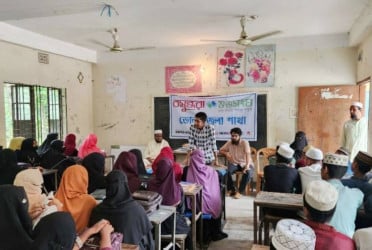
As part of the effort, secondary-level students from across the country are participating in a nationwide Startup, Science Project and Innovation Idea Showcasing programme designed to foster creativity, problem-solving skills and analytical thinking beyond traditional classroom learning.
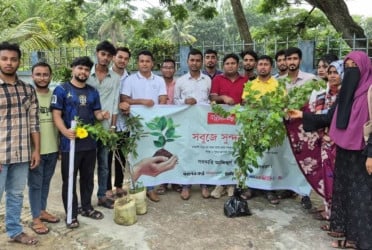
Simultaneously, a massive greening campaign, involving the plantation of 50 million indigenous saplings in educational institutions, is set to begin to address climate change risks.
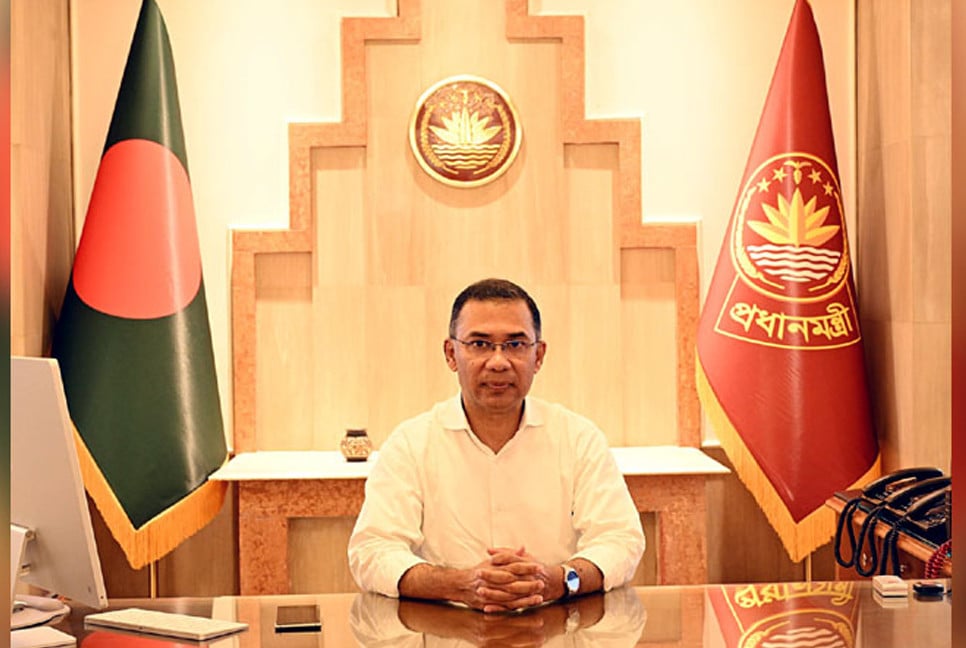
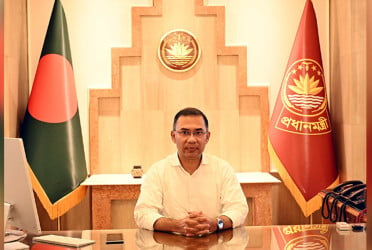
Prime Minister Tarique Rahman is expected to formally inaugurate the national exhibition of science projects by the best 100 teams selected at the national level and simultaneously launch the tree-planting programme in 29,621 educational institutions on June 28 at the Bangladesh-China Friendship Conference Center in the capital.
The Directorate of Secondary and Higher Education (DSHE) under the Ministry of Education has begun implementing the programmes through its Educational Excellence Support Scheme (EESS) and Learning Acceleration in Secondary Education (LAISE) projects.
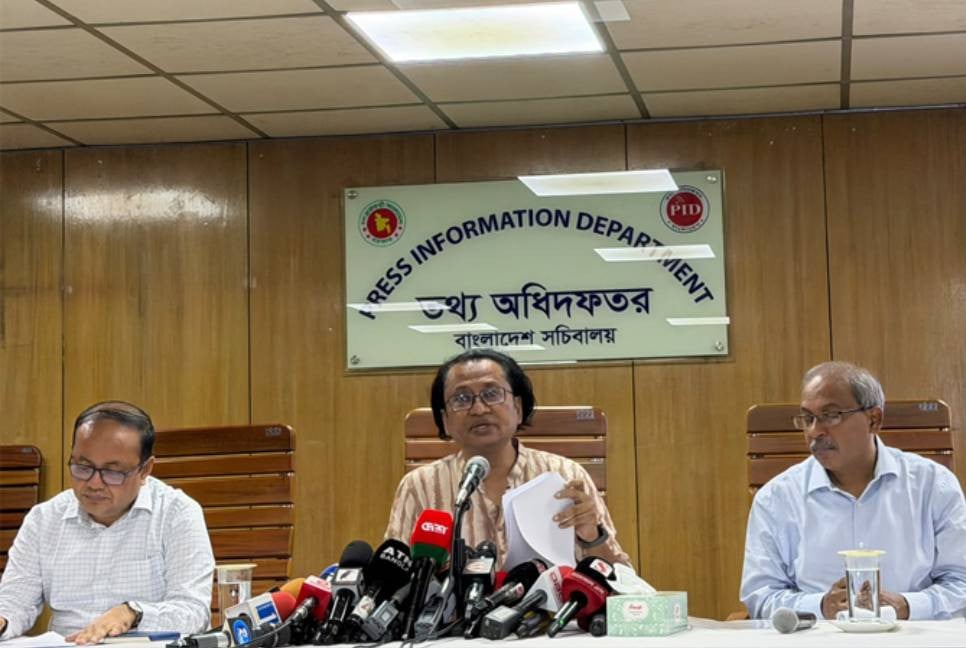
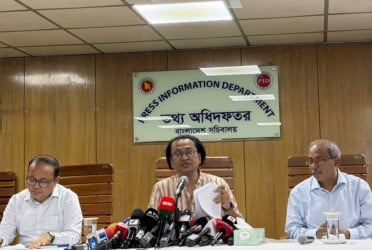
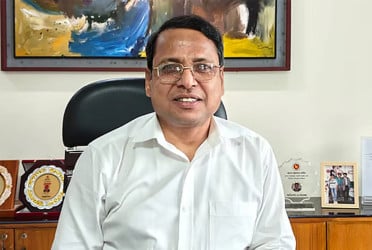
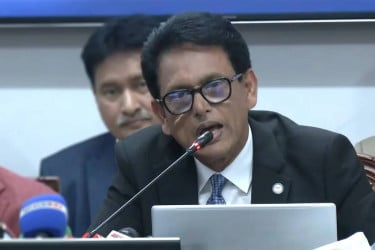
Talking to the media, DSHE Director General Prof. Dr. Khan Moinuddin Al Mahmud Sohel said, the government through this programme aims to move students away from linier learning and promote constructive creativity and analytical thinking among them.
“Many local problems can be solved locally through science projects and innovation ideas emerging from the grassroots level. At the same time, startups will open opportunities for creating young entrepreneurs at the local level,” he said.
Regarding the tree-planting initiative, he said students can serve as frontline soldiers in addressing climate change risks.
“They will be the key force in tackling climate challenges in future. That’s why all programmes have been designed with students being given the maximum priority. Our main goal is to create climate awareness among future generations and students so that they can become suitable partners in future leadership and play an active role in protecting the environment,” he added.
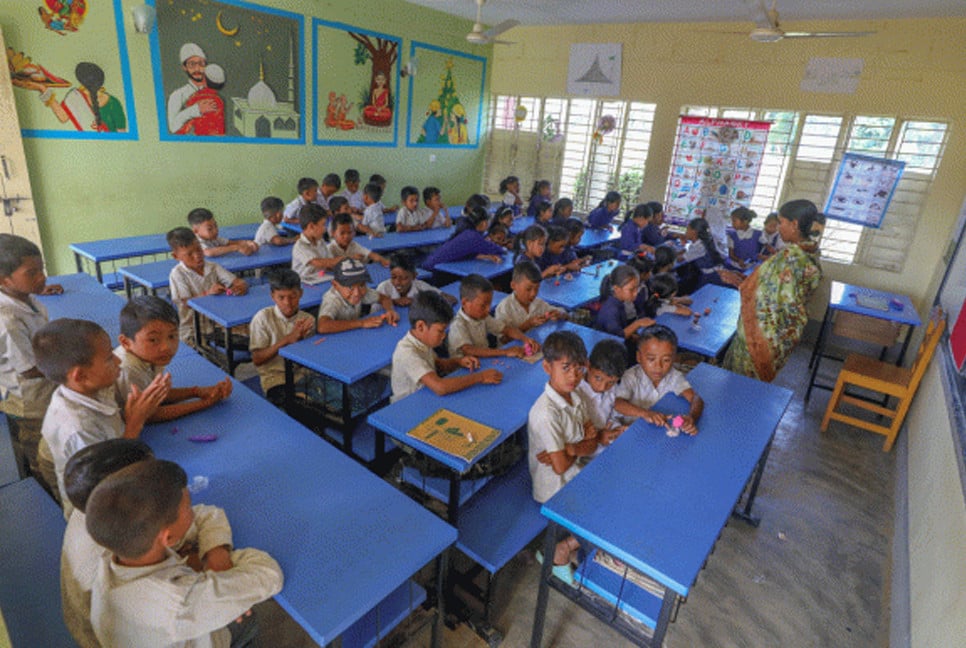
According to the EESS scheme, students and teachers from classes VI to XII of both general and madrasa education streams across the country are participating in the mega programme.
Each participating team consists of three students and two teachers and the showcasing programme is being implemented in three stages.
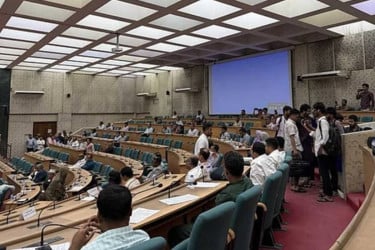
Project officials said the showcasing programme concluded simultaneously in all upazilas and metropolitan police stations across the country on June 12.
The best teams selected at the upazila and thana levels participated in the district-level competition on June 14, presenting their startup, science project or innovation ideas.
DSHE officials said the final round involving teams selected from district and metropolitan levels will be held in Dhaka on June 27 where a total of 100 teams, selected from the grassroots level, will participate in the final evaluation.
EESS Director Prof Md Tofazzel Hossain told BSS that the upazila-level competition was successfully completed on June 12 while the district and metropolitan-level competitions concluded on June 14.
“The final evaluation involving the best 100 teams selected from district levels will be held in Dhaka on June 27. Judges will select the winning teams through secret ballots and the final results and awards will be announced the following day on June 28 where Prime Minister Tarique Rahman is expected to present,” he said.
DSHE officials confirmed that trophies and gift money will be given to the top 10 teams selected from among those exhibiting projects at the national level.
About the objectives of the programme, project officials said the main objectives of the scheme are to ensure life-oriented education among students, emphasise the development of fundamental values and prioritise knowledge-based learning.
Other goals include promoting technology-based and intellectual practices to develop students into thoughtful individuals, ensuring “Learning with Happiness,” producing talented teachers through quality education, creating opportunities for the development of hidden talents, and placing special emphasis on creativity and analytical thinking.
Officials of the LAISE project said the “One Child, One Tree” programme will be implemented to engage every child in tree planting each year and indigenous species such as mango, blackberry, jackfruit, neem and arjun trees will be given priority under the programme.
According to DSHE, the programme will begin simultaneously on June 28 in a total of 29,621 educational institutions, including 18,907 schools, 1,446 schools and colleges, and 9,268 madrasas.
Prime Minister Tarique Rahman is set to plant a tree at the main venue at the Bangladesh-China Friendship Conference Center and formally inaugurate the programme nationwide through video conferencing with all educational institutions.
LAISE Project Director Prof Md Asaduzzaman told the media that the inaugural ceremony of the nationwide tree-plantation programme will be broadcast simultaneously across the country and the prime minister will be able to connect directly with any field-level centre if he wishes.
He said,on the inauguration day, at least three trees will be planted in every educational institution, including one fruit-bearing tree and one forest tree. In this way, the programme to plant 50 million trees will be completed in phases.
Bd-pratidin English/TR