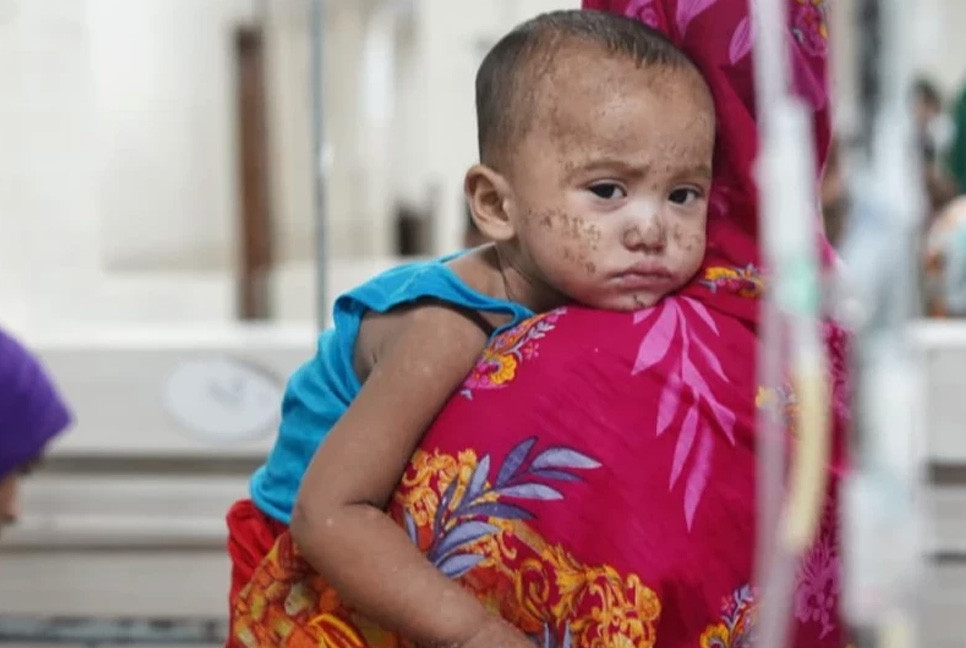
The measles outbreak in Bangladesh has reached an alarming level, with no visible sign of a decline in infections or deaths.
An analysis of data from the World Health Organization (WHO) and the Directorate General of Health Services (DGHS) shows that the situation remains at a critical stage.
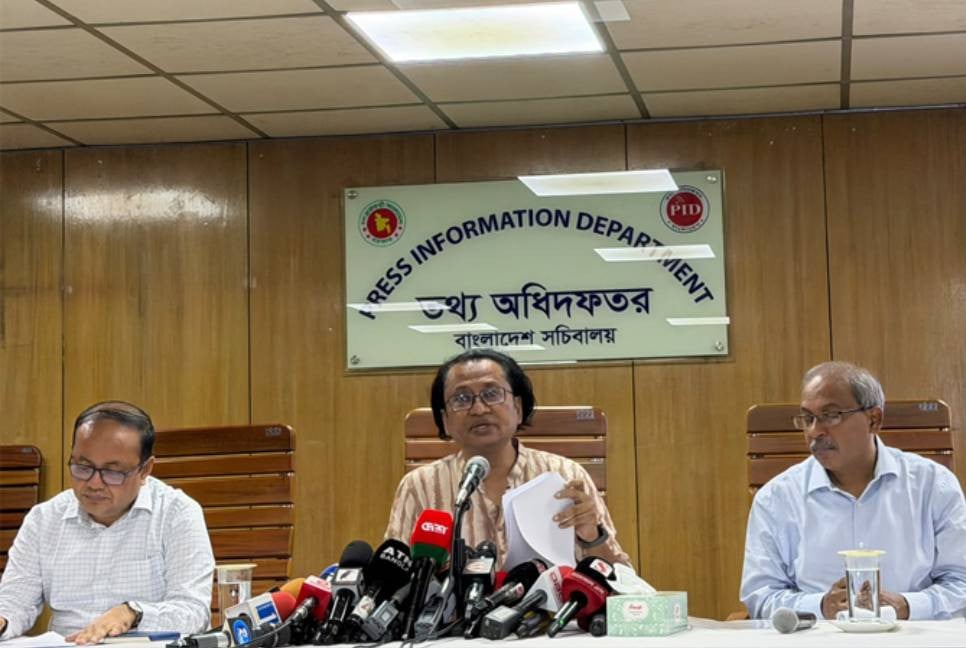
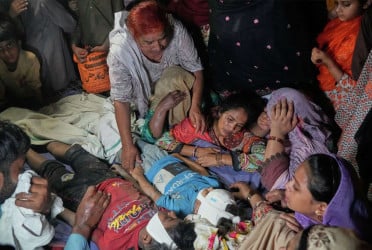
Since March 15, a total of 575 children have died from measles and its complications, meaning more than 57 children have been dying on average every week. The outbreak, which began in January this year, claimed the lives of 59 children in the latest reporting week alone.
According to the latest WHO report, while confirmed infections have shown a slight decline, the number of hospital admissions with measles symptoms and related deaths continues to rise. In the last 24 hours alone, 732 patients were admitted to hospitals across the country.
However, health experts say the full picture remains unclear due to the extended Eid holidays, which may have affected healthcare-seeking behaviour and reporting.
Experts argue that measuring the severity of the outbreak solely by the number of confirmed cases would be misleading, as limited testing capacity and weaknesses in surveillance systems may be masking the actual scale of infections. In such circumstances, mortality trends provide the most reliable indicator of the outbreak’s trajectory. They noted that deaths continue to rise, showing no sign of stabilising.
Public health specialists have identified several key factors behind the current crisis, including delayed measles vaccination among children during the interim government's tenure in 2025, widespread malnutrition and the absence of Vitamin A supplementation campaigns.
WHO data show that from mid-April to the final week of May, the number of measles and suspected measles cases remained close to 10,000 every week, while deaths continued to increase steadily.
Although mass vaccination campaigns have been rolled out in phases since April, the WHO report indicates that the disease has already spread to all districts of the country. Public health experts have criticised the authorities for failing to maintain the traditional door-to-door vaccination strategy. They also alleged that while emphasis has been placed on immunisation, significant gaps remain in case management and treatment services for infected patients.
As a result, neither infections nor deaths have shown any meaningful decline.
Meanwhile, the mass movement of people from Dhaka to rural areas during the Eid holidays has raised concerns that the virus could spread further across the countryside. Experts have also expressed frustration over the lack of strong public awareness campaigns promoting preventive measures during the ongoing outbreak.
They warned that continued negligence and a culture of complacency could make the country's infection situation even more fragile and dangerous in the coming weeks.
Bd-Pratidin English/ AM