Iran's Revolutionary Guards issued a warning to the U.S. on Sunday, urging Washington to choose between a "impossible" military action or a diplomatic deal with Tehran, after President Donald Trump dismissed Iran's latest peace proposal, reports AFP.
The two countries had faced stalled negotiations since the ceasefire began on April 8, with only one round of direct peace talks held so far. Iran’s Foreign Ministry confirmed it had submitted a 14-point peace plan to Washington, seeking to end the ongoing war. Tehran stated that the U.S. had already responded through Pakistani intermediaries.
"We reviewed this response and will take necessary action," said Esmaeil Baqaei, Iranian Ministry spokesperson.
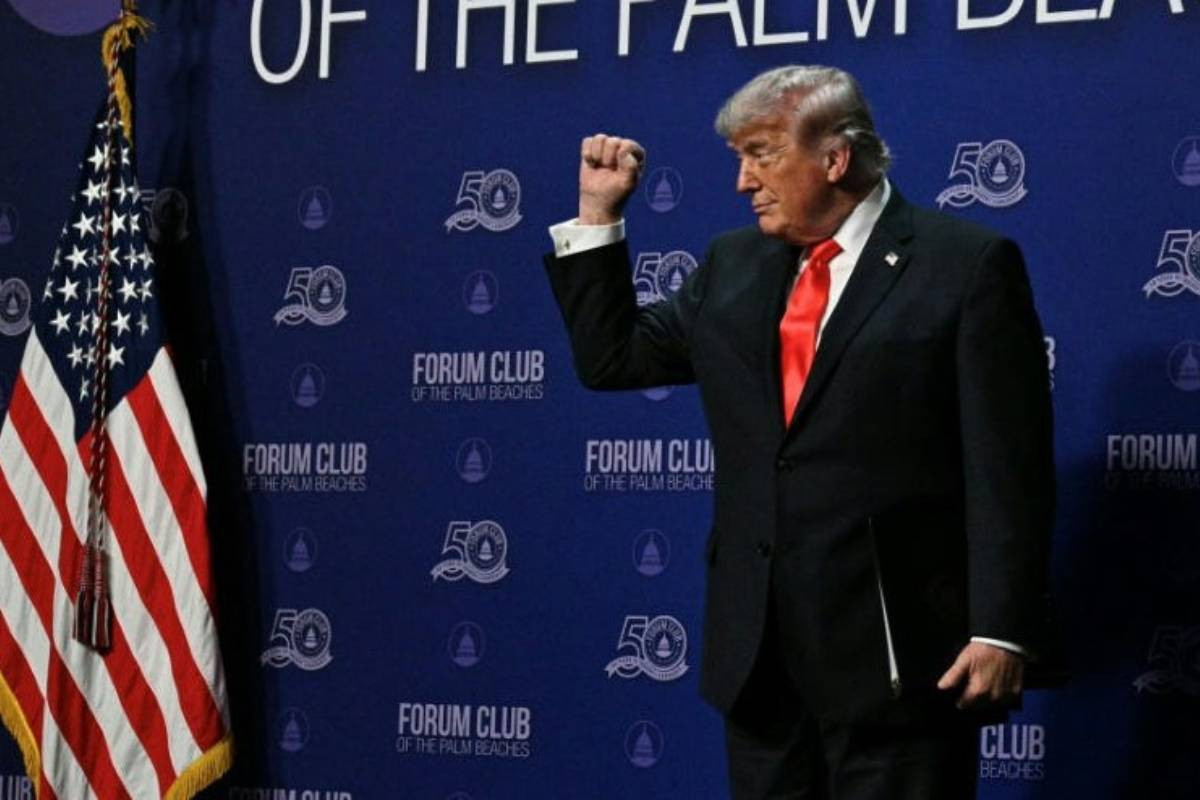
However, Trump rejected the plan, claiming it would be "unacceptable," citing Iran's past actions over nearly half a century. Trump shared his comments on Truth Social, saying Iran had yet to pay a sufficient price for its actions.
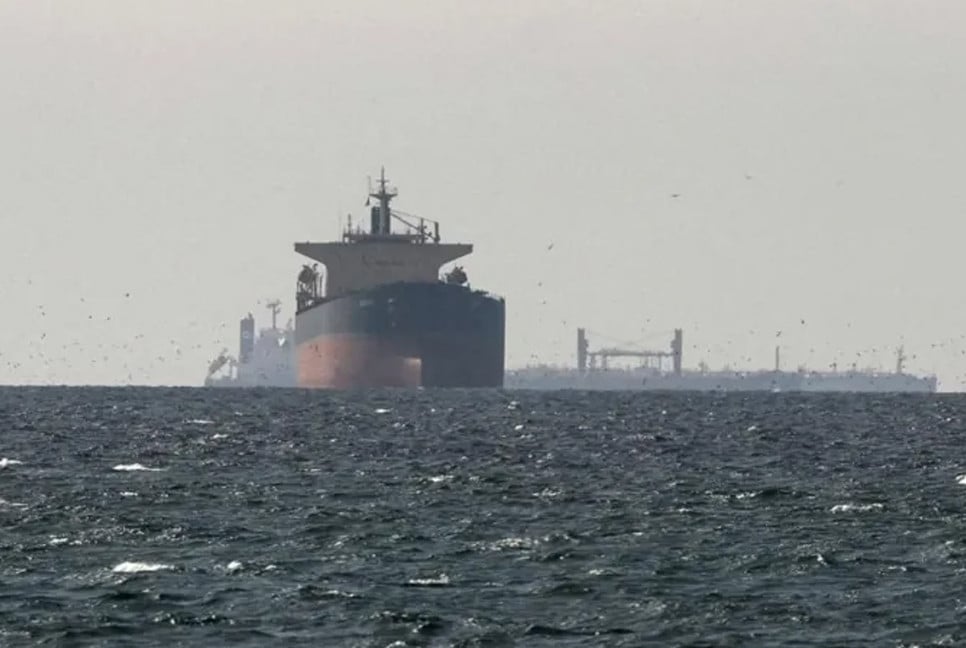
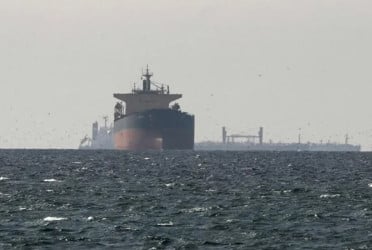
U.S. news site Axios reported that Iran's peace proposal included a one-month deadline for reopening the Strait of Hormuz, ending the U.S. naval blockade, and concluding the conflicts in Iran and Lebanon.
In response, the Revolutionary Guards placed the decision firmly on Trump, saying the U.S. had to choose between an "impossible military operation or a bad deal with the Islamic Republic." They warned that U.S. decision-making options had narrowed.
Washington’s European allies had become increasingly concerned about the economic impact of the continued closure of the Strait of Hormuz. German Foreign Minister Johann Wadephul called for a negotiated solution, demanding Iran both end the blockade and commit to verifiable denuclearization.
Trump, when asked about potential military escalation, declined to specify what actions would trigger further U.S. military responses, but left open the possibility: "If they misbehave, if they do something bad, but right now, we’ll see," he said.
Meanwhile, Treasury Secretary Scott Bessent emphasized the broader scope of the U.S. economic embargo, noting the severe financial strain it had placed on Iran's regime, which had been unable to adequately pay its soldiers.
Iran's military rhetoric had also escalated, with Mohsen Rezaei, an advisor to Supreme Leader Ali Khamenei, threatening to sink U.S. warships. "We can confront pirates just as well as sinking warships. Prepare for the graveyard of your carriers," Rezaei posted on X (formerly Twitter).
The ongoing conflict had led to severe economic consequences for Iran. Oil exports had plummeted, and inflation had exceeded 50 percent. Ali Nikzad, Iran’s deputy parliament speaker, noted that a proposed bill to manage the Strait of Hormuz would allocate 30 percent of toll revenues for military infrastructure, with the rest directed toward economic development.
"Managing the Strait of Hormuz is more important than acquiring nuclear weapons," Nikzad remarked.
Despite Iran’s continued grip on the Strait of Hormuz, global oil prices had surged to nearly 50 percent higher than before the conflict began.
In Iran, ordinary citizens had been feeling the war's economic strain. “People had been trying to endure, but they had been falling apart,” said Amir, a 40-year-old Tehran resident. “Many still had savings to fall back on, but when that ran out, things would change.”
Bd-pratidin English/ Jisan