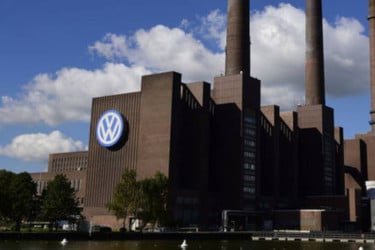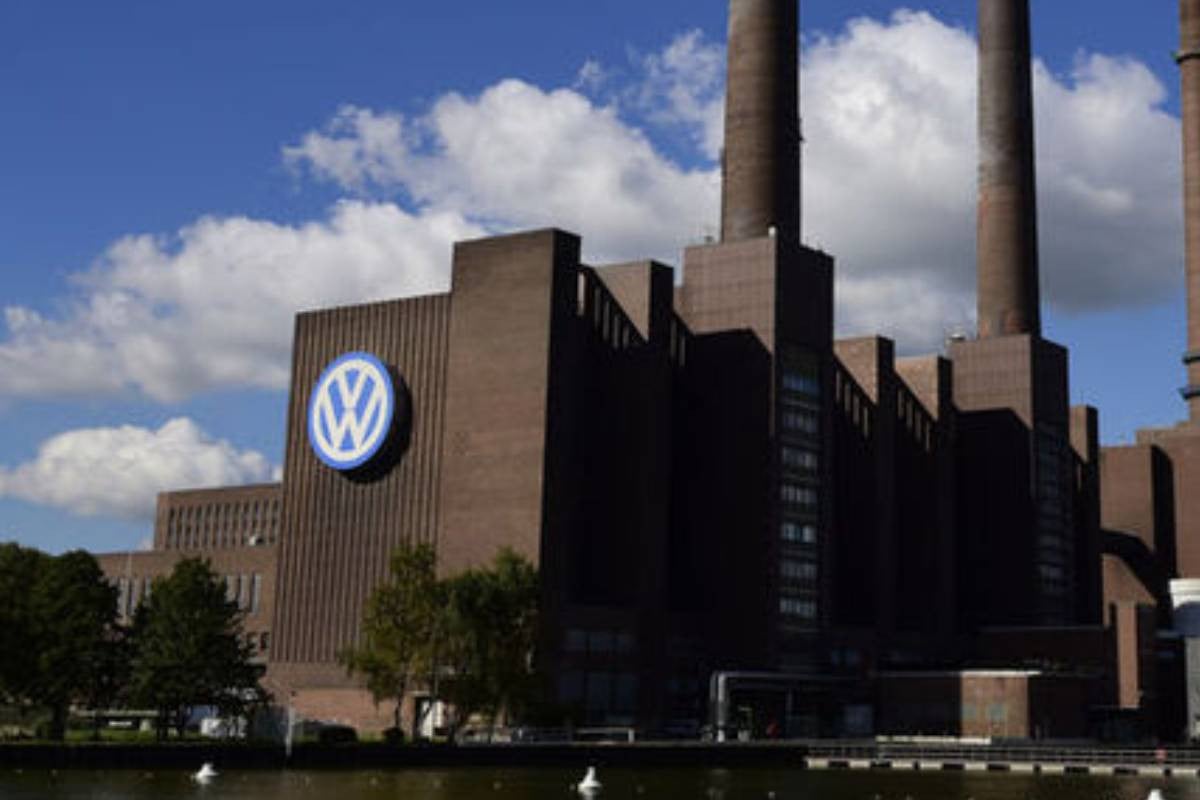
Volkswagen considered shutting four German factories and cutting up to 100,000 jobs as part of what could become the largest restructuring in its history, according to two people familiar with the matter, reports Reuters.
Members of the company’s supervisory board were informed of the plans, which were due to be discussed at a July 9 meeting, the people said.
The proposals came as the German carmaker faced growing pressure from Chinese rivals, higher tariffs on exports to the United States, and weakening demand in Europe—conditions executives said had made its business model increasingly difficult to sustain.
Under the plan being considered, plants in Hanover, Zwickau, Emden and Audi’s Neckarsulm site would have been affected, potentially putting more than 45,000 jobs at risk. That figure would have added to around 50,000 job cuts already planned across the group.
If implemented, the restructuring would have marked the largest workforce reduction and factory consolidation in automotive industry history, surpassing previous major shake-ups at General Motors during its 2009 bankruptcy and earlier restructuring periods in the 1990s.
Chief executive Oliver Blume had presented the outline of the plans to senior executives earlier in the week in an effort to build support for deep cost cuts, which were expected to face strong resistance from unions and the state of Lower Saxony, Volkswagen’s second-largest shareholder.
The overhaul was first reported by Manager Magazin, which also said the world’s second-largest carmaker by sales had considered reducing investment by about 15% to just over €130 billion ($148 billion) over the next five years.
Blume and chief financial officer Arno Antlitz were said to be aiming to restructure the 89-year-old group, including by separating the core Volkswagen brand and parts operations into distinct entities.
Volkswagen shares had fallen to 16-year lows, dropping 3.4% by 1335 GMT, as investors expressed scepticism over the scale and feasibility of the proposed changes.
“The high costs are merely a symptom, not the cause,” said Ingo Speich of Volkswagen shareholder Deka. “VW must bring attractive products to market that are in high demand; that would put an end to the debate over costs.”
A Volkswagen spokesperson declined to comment on “confidential documents,” but said the group and its subsidiaries must undergo far-reaching change.
The company’s works council and the IG Metall union said they would resist any forced closures or job cuts, warning in a joint statement that they would “do everything in our power to prevent them.”
Lower Saxony’s state government also signalled it would not support plant closures, adding further political pressure to the proposal.
Porsche SE, Volkswagen’s largest shareholder and the investment holding vehicle of the Porsche and Piëch families, also declined to comment.
Volkswagen employed 667,164 people worldwide in its 2025 financial year, with nearly 43% based in Germany.
The company’s earlier attempt in 2024 to close plants in Germany had faced fierce resistance from unions and was scaled back after strikes and prolonged negotiations with IG Metall and the works council.
The renewed restructuring push came as Volkswagen faced intensifying competition from Chinese automakers, particularly in electric vehicles. The group had lost significant ground in China, where it was overtaken by BYD in 2024 and slipped further in 2025.
According to AlixPartners, non-Chinese automakers’ share of the Chinese market fell from 57% in 2020 to 32% in 2025.
Chinese manufacturers were also expanding rapidly in Europe, with BYD, Chery, SAIC and Leapmotor increasing their combined presence across the continent, according to the European Automobile Manufacturers’ Association (ACEA).
Bd-pratidin English/ Jisan