Bangladesh has handed over land in the Mongla Economic Zone—previously earmarked for an Indian project—to a Chinese state-owned company, marking a notable shift in its investment strategy.
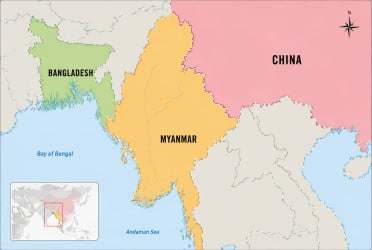
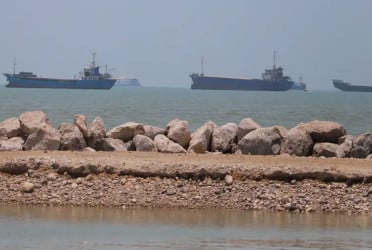
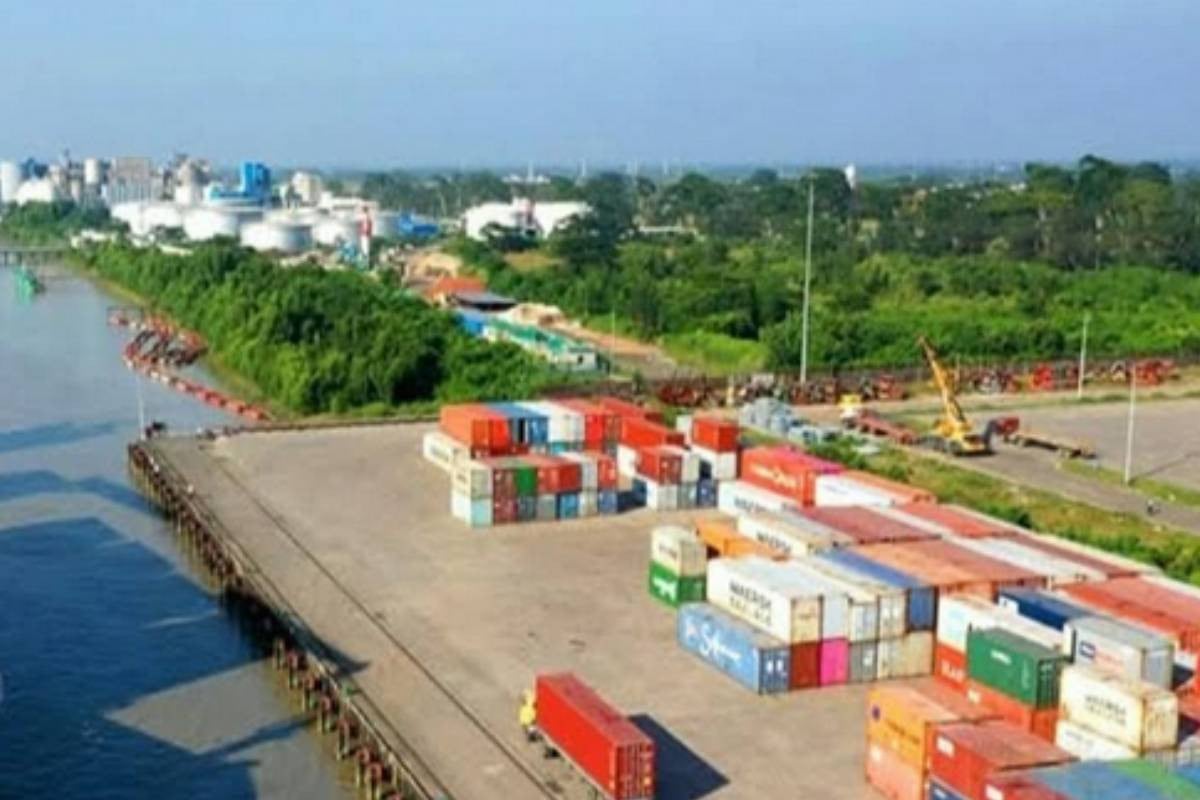
A memorandum of understanding (MoU) was signed in Beijing on Thursday (June 25) between the Bangladesh Economic Zones Authority (BEZA) and China Civil Engineering Construction Corporation (CCECC) to develop the “China-Bangladesh Mongla Port Economic Zone” on around 110 acres of land near Mongla Port in Bagerhat.
The site was originally allocated to India under a 2015 bilateral initiative to develop economic zones using an Indian Line of Credit. However, the project stalled for years after the designated developer failed to begin land development within the agreed timeframe. The interim government cancelled the project in October 2025.
The new agreement is part of a broader effort to attract large-scale Chinese investment into Bangladesh’s infrastructure and industrial sectors.
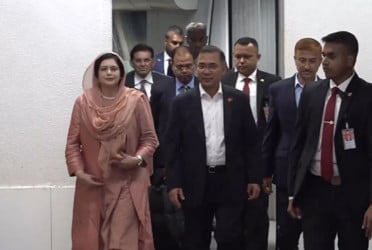
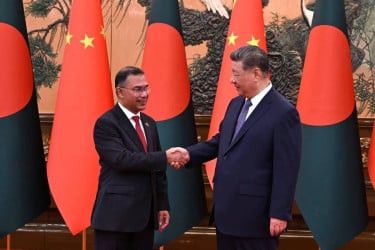
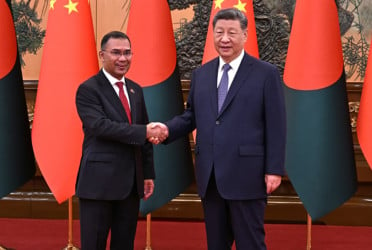
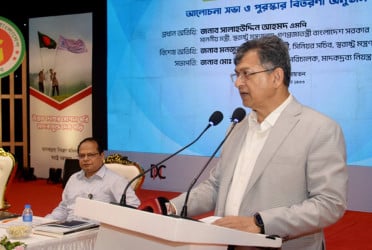
Prime Minister Tarique Rahman was present at the MoU signing ceremony in Beijing.
In a parallel move, BEZA also signed an agreement with China Road and Bridge Corporation (CRBC) to develop a Chinese Economic and Industrial Zone in Anwara, Chattogram. The Bangladesh Investment Development Authority (BIDA) separately signed an MoU with the China Council for the Promotion of International Trade (CCPIT) to facilitate Chinese investment and strengthen business ties.
Additionally, land has been allocated to China’s Handa Group in the Keraniganj Economic Zone in Dhaka, where the company plans to invest about $220 million in industrial development, according to BIDA.
The Mongla project was initially conceived in 2015 as part of India-backed economic zone plans in Mongla and Mirsarai, alongside an Indian-financed railway line connecting Mongla Port and Khulna.
In 2018, the Hiranandani Group was selected as developer, and its subsidiary ECPL later signed an MoU with BEZA in 2022. However, the project stalled as development work failed to begin, leading to its cancellation after political changes in August 2024 and formal termination in 2025.
BEZA Executive Member Major General (Retd.) Md. Nazrul Islam said Chinese investors had shown strong interest in establishing high value-added industries in the zone, including electronics, telecommunications, and modern warehousing facilities.
He added that the agreement would initially remain government-to-government in nature. After China prepares a master plan, it will be reviewed by technical and negotiation committees before progressing toward a final implementation agreement.
Under the arrangement, BEZA will provide land without major upfront investment, while the developer will build infrastructure. The government’s equity share will be determined in later negotiations.
Courtesy: TBS
Bd-pratidin English/ Jisan