Prolonged heatwaves sweeping across Europe have not only affected people but also placed increasing stress on birds and other wildlife, experts have warned, reports AP.
While many bird species are adapted to warm environments, extended periods of extreme heat have pushed some beyond their physiological limits, raising the risk of illness and death.
Birds play a key role in ecosystems by pollinating plants, dispersing seeds, controlling insect populations and serving as indicators of environmental change.
Wildlife specialists have said that simple, non-intrusive measures by humans can help birds cope with rising temperatures without disrupting their natural behaviour.
Birds generally have higher body temperatures than mammals, typically around 38°C (100°F), and rely on behavioural adaptations rather than sweating to regulate heat.
They reduce body temperature by adjusting their feathers, increasing airflow through their respiratory system and altering activity patterns. Many also open their beaks and pant, while some species use “gular fluttering,” rapidly vibrating throat membranes to release heat.
“Birds have limits, and prolonged heat can push many species close to those thresholds,” said David Bird, emeritus professor of wildlife biology at McGill University.
Aimee Van Tatenhove, a postdoctoral fellow at the Cornell Lab of Ornithology, said species from cooler regions were particularly vulnerable compared with those adapted to tropical climates.
Experts noted that birds often seek shade, reduce activity during peak temperatures and cool off by bathing in shallow water sources such as ponds, fountains and birdbaths.
They recommended providing clean, shallow water in shaded and safe locations as a simple way to help birds during heatwaves.
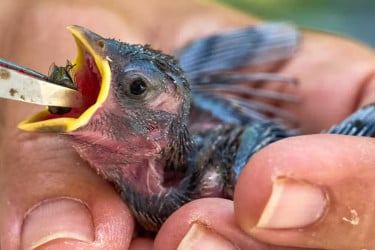
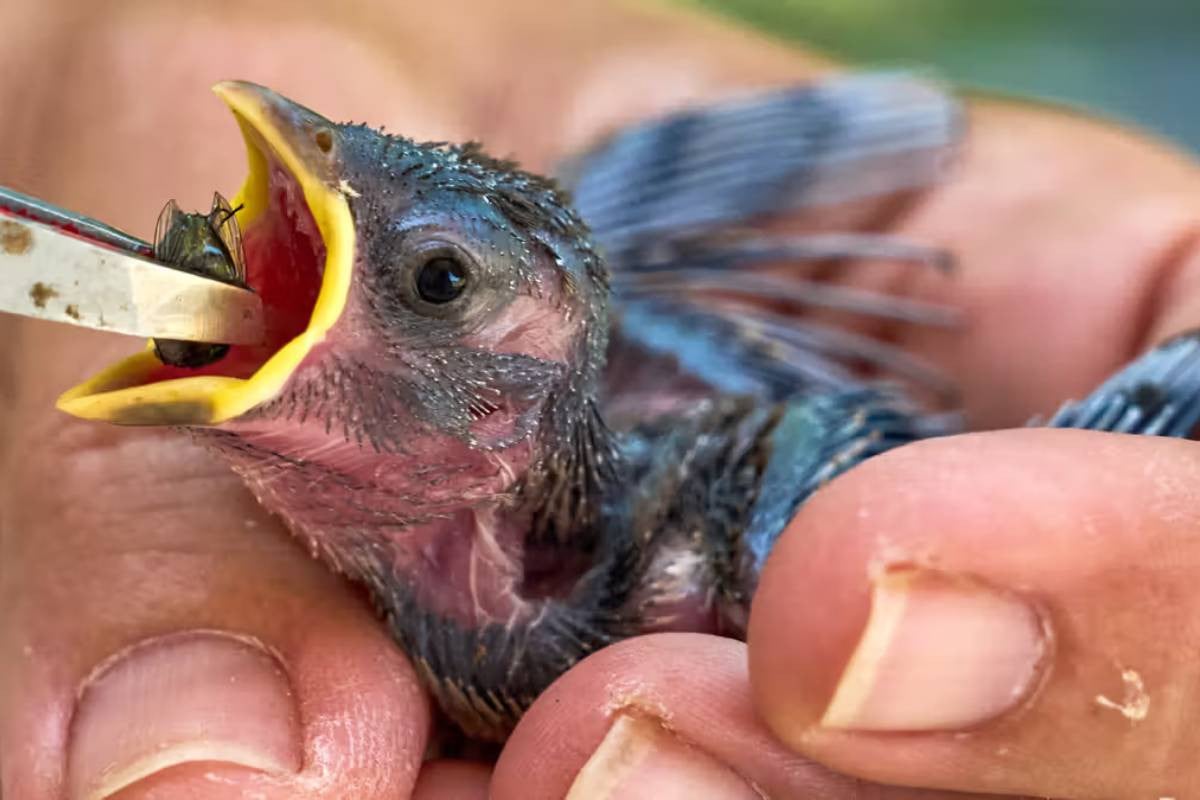
Maintaining bird feeders can also support wildlife when natural food sources, such as insects, become scarce due to climate change and environmental pressures.
Planting trees and shrubs was also highlighted as a long-term solution to create shaded habitats and reduce heat stress for local bird populations.
However, experts strongly advised against handling or attempting to move healthy birds.
“These birds know better than we do what is comfortable for them,” said Jack Kottwitz, assistant professor at Michigan State University’s College of Veterinary Medicine.
Wild birds typically seek cooler areas such as shaded branches and lower perches and may even use human structures to escape heat.
Experts also cautioned against feeding wild animals unsuitable food or bringing them indoors, warning that such actions could cause additional harm.
Animals showing signs of distress may be injured or ill and should instead be reported to local wildlife rehabilitation centres.
“The best thing for wildlife is to let them be wild,” said Lisa Duke of the W.K. Kellogg Bird Sanctuary. “They know what to do with their bodies.”
Bd-pratidin English/ Jisan