Real estate developers in Rajshahi have expressed concern over the taxes imposed on the housing sector in the national budget and the rising cost of construction materials, warning that the new tax measures could bring new housing projects to a standstill.
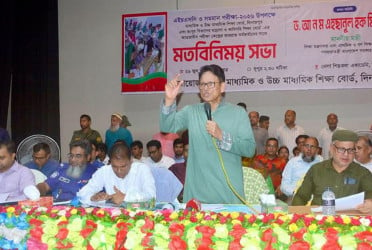
The concerns were raised at a press conference organized by the Rajshahi Real Estate and Developers Association (REDA) at a hotel in the city at 12:00 pm on Saturday.
Speaking at the event, developers said the new tax policy, including a 15 percent capital gain taxes, has made it difficult to launch new housing projects.
They added that increases in value-added tax (VAT) and advance tax on construction raw materials have pushed up the prices of essential items such as steel rods, cement, bricks, sand, and stone.
According to the developers, the higher tax burden has made it increasingly difficult to sign new agreements with landowners.
They also said many completed apartment projects remain unsold due to the current market situation.
The association urged the government to reconsider the existing tax and VAT rates to help revive the housing sector.
Among those who addressed the press conference were REDA President Toqfiqur Rahman Lavlu, General Secretary Mijanur Rahman Kazi, Vice President Ershad Ali Esha, and Kabir Hossain.
The speakers emphasized that the housing sector is not a standalone industry but one of the country's major economic drivers.
They noted that it supports 269 related industries, including steel, cement, bricks, sand, tiles, cables, electrical equipment, paints, glass, ceramics, hardware, and furniture. The slowdown in the housing sector would negatively affect all these industries.
According to the association, Every Tk 1 invested in the real estate sector generates an estimated Tk 2.5 in positive economic impact across the country's economy. As a result, the ongoing slowdown in the housing sector is reducing the overall flow of economic activity nationwide.
The developers also stated that the government earns more than Tk 30,000 crore in annual revenue from the housing sector.
However, they argued that excessive taxation has caused many buyers to delay final property registration. In some cases, buyers and sellers are reportedly undervaluing property transactions to reduce tax liabilities, a practice they said could ultimately undermine the government's revenue collection targets.
The association further noted that after the ready-made garments sector, the housing and construction industry is one of Bangladesh's largest sources of employment. The sector directly employs around 5 million people and indirectly supports the livelihoods of approximately 15 million others, including construction workers, engineers, architects, and supply chain personnel.
The developers warned that continued stagnation in the sector could leave hundreds of thousands of masons, rod workers, and daily wage laborers without jobs, creating serious economic hardship.
Bd-pratidin English/ ANI