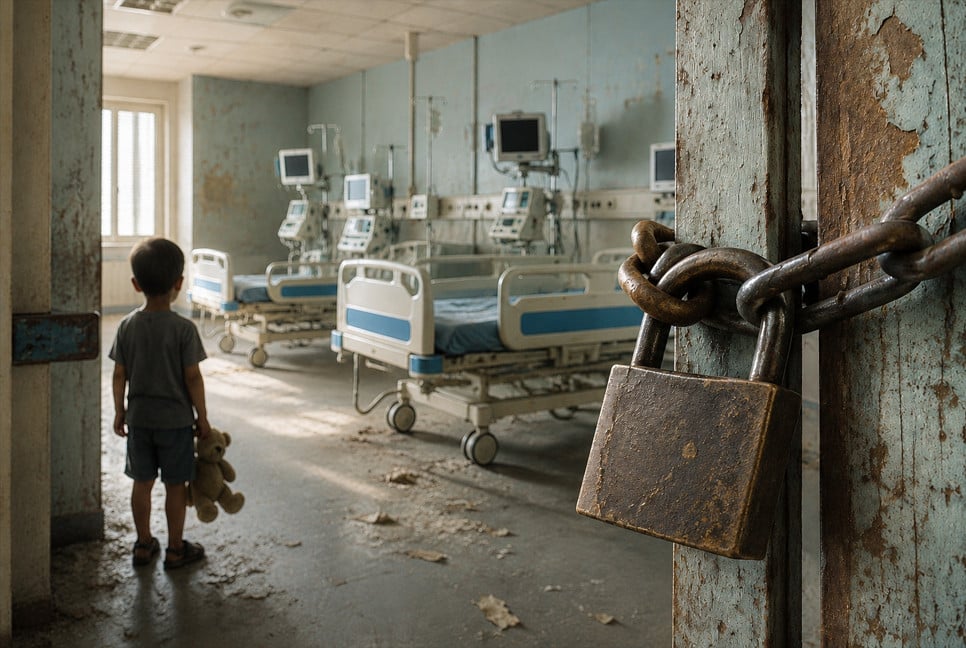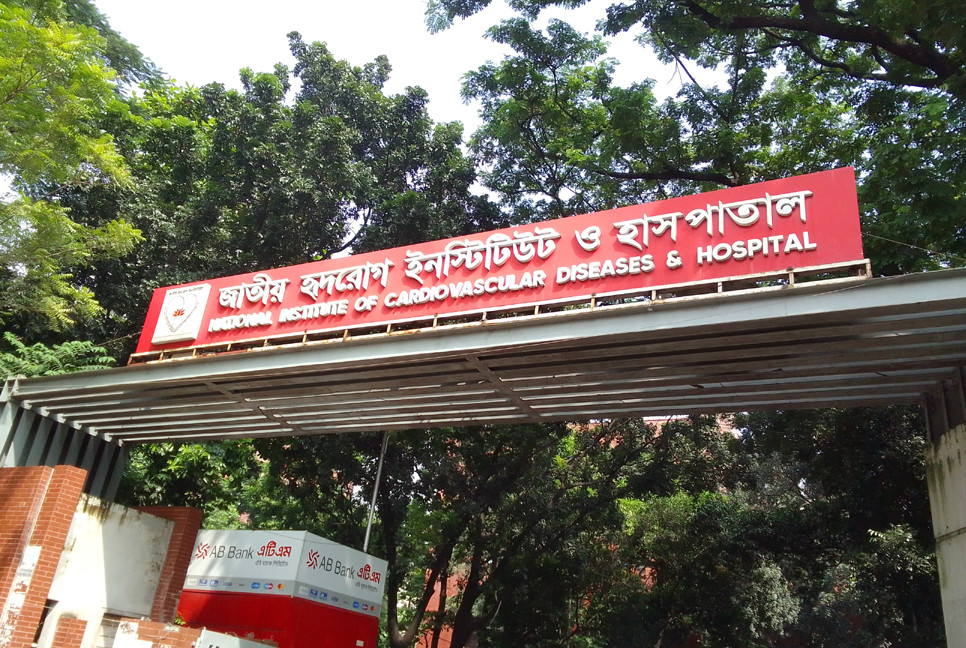
Critically ill heart patients are being forced to wait up to two months for life-saving surgery at the National Institute of Cardiovascular Diseases in Dhaka -delays that doctors warn are turning into a “silent death trap”. Where open-heart surgery is often required within days, patients are instead waiting six to eight weeks for a slot. Physicians say such delays in cases involving severe blockages or valve complications can lead to heart attacks, heart failure or sudden death. Many patients are left with no option but to wait, risking their lives, while those who can afford it seek treatment at private hospitals.
However, investigations reveal that patients with the right connections can secure surgery within a week.
A field visit on Thursday found anxious relatives waiting outside the operating theatre as a patient, Nur Mohammad, underwent heart surgery. During the procedure, hospital staff repeatedly called out for his family, handing them lists of medicines to purchase. By that point, the family said they had already spent nearly Tk96,000 on medicines alone.
As heart disease rises in the country, treatment is becoming increasingly unaffordable for low-income patients. Private hospitals remain prohibitively expensive, while public facilities often fail to provide timely care. Even where faster treatment is arranged through influence, patients report mounting costs under various pretexts.
On-the-ground observations suggest that even patients requiring emergency surgery within three days are being told to wait up to two months. Hospital authorities attribute the delays to a growing patient load, noting that waiting times have been reduced from three months to around six weeks following administrative improvements.
Yet inquiries at Room 113 of the hospital confirmed that the official waiting period for open-heart surgery is at least one and a half months—possibly longer.
Despite this, numerous cases have been identified where patients obtained surgery dates within a week by “managing” hospital staff. Allegations persist that when scheduled patients die or undergo surgery elsewhere, their slots are not reassigned to those already in line. Instead, these slots are reportedly sold to new patients at varying prices, while others are allocated through political or administrative influence.
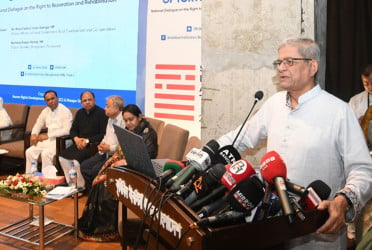
Sources also noted inconsistencies in staff attendance. On Wednesday, during a visit by the health minister to inaugurate a mobile operating theatre, staff arrived early and followed procedures strictly. The following day, however, many were seen arriving well after official hours.
Hospital data show a sharp rise in patient numbers. In 2023, a total of 446,770 patients received treatment across inpatient, outpatient and emergency services. This increased to nearly 484,000 in 2024 and surged to 538,528 in 2025—an annual growth rate of 10–14%. Authorities say the hospital is handling more than three times its capacity, with some departments facing up to ten times the pressure.
Director Professor Abdul Wadud Chowdhury said the overwhelming patient influx remains a major challenge. “As services expand, so does demand. Without decentralising cardiac care, pressure on Dhaka will not ease,” he said.
On treatment costs, he noted that the government provides around 50% of required medicines, though not all. “Even so, the cost of open-heart surgery here is about half that of private hospitals, and subsidies are often provided for stents and pacemakers,” he added.
He acknowledged that even the reduced waiting time of six weeks remains risky for patients. The hospital currently has only two paediatric cardiac surgeons, with waiting times for children previously stretching to six months. Efforts are now underway to prioritise paediatric cases by allocating more operating theatre time, though this has reduced capacity for other procedures.
Professor Chowdhury also cited budget constraints as a barrier to expanding surgical facilities and undertaking essential renovations. He added that disciplinary measures have helped curb the influence of middlemen, and steps have been taken to improve facilities, including designating separate toilets for women.
Bd-pratidin English/ ANI