Globalisation has reshaped labour markets and expanded job opportunities, but it has also exposed workers to new forms of insecurity, inequality and exploitation, analysts say as May Day revives debate on labour rights.
Workers across the world mark May Day to honour struggles that began in the late 19th century, when labourers in industrial economies fought long hours, unsafe conditions and low wages. The 1886 Chicago movement for an eight-hour workday, which ended in violence at Haymarket, still symbolises the fight for dignity and rights at work.
Today’s labour landscape looks very different. Demand for labour has increased and employment has diversified, while globalisation since the 1980s has transformed how people work. The rise of the gig economy allows individuals to take on multiple jobs instead of relying on a single employer, but many lack job security, stable income or representation.
Gig workers often depend on time and opportunity rather than fixed contracts. Some earn well, while others struggle to make ends meet. Most operate without trade unions or formal protection.
Job security has also weakened in many sectors. Even in government services, many roles now rely on outsourcing and contract-based hiring. Employers use these arrangements to cut costs, but workers often receive lower wages and fewer benefits than permanent staff. Contractors frequently take a share of payments, raising concerns about fairness and transparency.
Experts say such practices reflect broader patterns of labour exploitation within domestic markets. They also highlight deeper inequalities in the global labour system, where workers from developing countries face discrimination, poor conditions and limited rights abroad.
Globalisation has made trade and investment easier and allowed multinational companies to expand operations across borders. Firms can relocate factories quickly to reduce costs, but labour mobility remains restricted, leaving workers with fewer options.
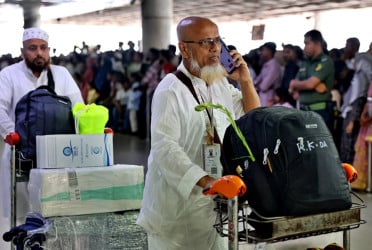
Bangladesh illustrates this imbalance. Millions seek jobs abroad each year, often at high financial and personal cost. Remittance inflows now rank among the country’s main sources of foreign exchange, bringing in between $25 billion and $30 billion annually and supporting many households.
However, many migrant workers endure harsh conditions and receive wages that do not match international standards. They spend years away from families and send much of their income home. While some families benefit financially, workers often lack protection, representation and bargaining power in host countries.
Analysts say labour-exporting agents and recruitment networks operate in organised groups, while workers remain largely unprotected. They call for stronger safeguards, fair recruitment practices and greater international cooperation to protect migrant workers’ rights.
As May Day returns each year, it not only commemorates past struggles but also underscores the urgent need to address new challenges in a globalised labour market.
Illegal migration to Europe continues to claim lives as thousands of job seekers from Bangladesh and other South Asian countries risk dangerous sea journeys in search of better opportunities.
Many young people view Europe as a land of higher income, social security and improved living standards. However, traffickers exploit these aspirations by promising easy access in exchange for large sums of money, often pushing migrants into perilous and uncertain routes.
Since 2014, more than 70,000 people worldwide have died or gone missing along migration routes, with over 30,000 deaths reported on the Mediterranean route to Europe. Observers often describe the Mediterranean Sea as a modern-day mass grave.
Migrants usually begin their journey from North African countries such as Libya or from Turkey, aiming to reach Italy or Greece. Many never complete the journey. Some drown at sea, while others drift for days or disappear without a trace.
In many cases, traffickers detain migrants, subject them to abuse and demand ransom from their families. Some victims are forced into labour under exploitative conditions.
Experts say these developments highlight a broader crisis linked to labour rights and global inequality. While governments can address domestic labour issues through policy and enforcement, global migration challenges require coordinated international action.
Analysts question who creates barriers to legal labour mobility and who profits from networks that sell visas and work permits to desperate job seekers. They argue that migrant workers contribute significantly to the economies of destination countries and should receive fair treatment.
Workers from Africa, Asia and Latin America play a crucial role in the development of wealthier regions, including Europe and the Middle East. Despite this contribution, many face discrimination and lack basic protections.
Experts call for stronger global dialogue and collective action to address exploitation, ensure safe migration pathways and uphold the rights of workers. They stress the need to break the silence around these issues and bring them to international forums for meaningful reform.
The author is a senior journalist and fiction writer