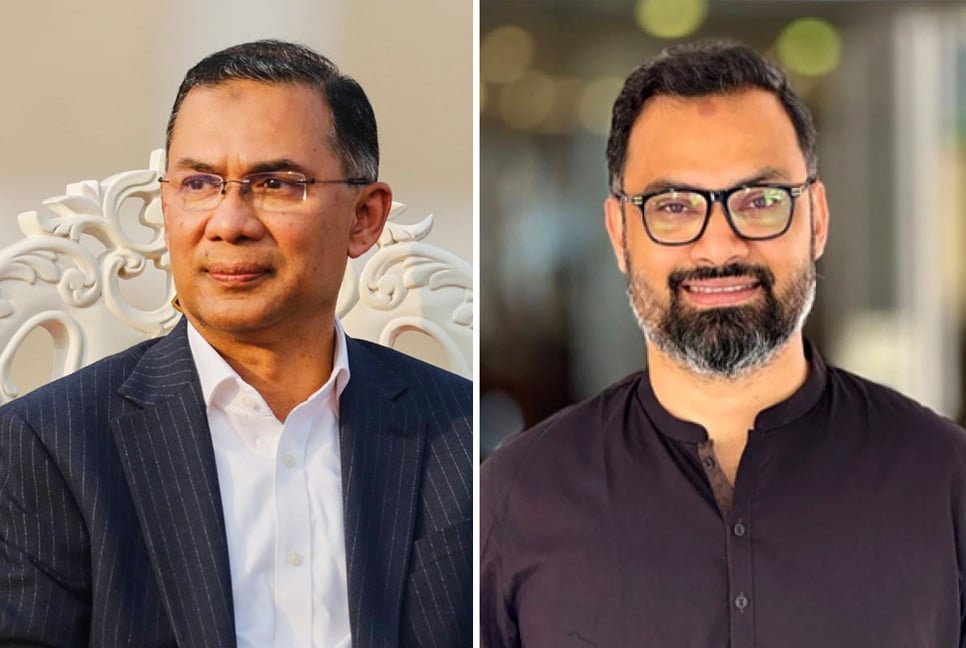
The 13th National Parliamentary Election was held on 12 February 2026. The new government, led by Prime Minister Tarique Rahman, has already presented to the nation a brief account of its activities over the first 60 days. So far, the government appears to be proceeding in line with the Bangladesh Nationalist Party’s (BNP) election manifesto. With a landslide victory, securing 212 seats in Parliament, the BNP has received a five-year mandate from the people to govern the country.
As a result, many party leaders and activists seem to be under the impression that there is little to worry about for the next five years. Those who have secured positions within the government also appear to believe that their “licence” to power will last the full term. Consequently, their attitudes and conduct increasingly resemble that of a fixed five-year plan. Party members are acting as though there are still four years and ten months—58 months—remaining until the next election, making this, in their view, an ideal time for complacency.
Meanwhile, Jamaat-e-Islami, one of the country’s oldest political parties, now sits on the opposition benches. The party secured 68 seats on its own and 77 seats as part of an alliance in the National Parliament. Prior to the election, the demeanour and rhetoric of its leaders and activists suggested confidence in assuming power, with only the formalities of the election remaining. That expectation, however, did not materialise. Even so, they are not disheartened, as their gains are considerable. Now occupying the opposition benches, they continue their activities with their sights still set on power. Since the election, a noticeable shift has emerged in their posture, reflected in their statements and speeches. Although the government’s term is five years, the opposition’s behaviour suggests a lack of patience to wait that long. It is not only their tone or body language that has changed; there are also murmurs of strategic manoeuvring behind the scenes. Some individuals have reportedly been frequenting donor agencies and diplomatic circles in Gulshan, joined by beneficiaries of the 18-month Yunus-era administration. Therefore, caution is warranted. Those holding the people’s five-year mandate must remain fully people-oriented. Conversely, those whose patience is already wearing thin within just two months must remember that the next election is still four years and ten months away. Excessive agitation at this stage could lead to dangerous missteps and a deep fall from which recovery may take far longer.
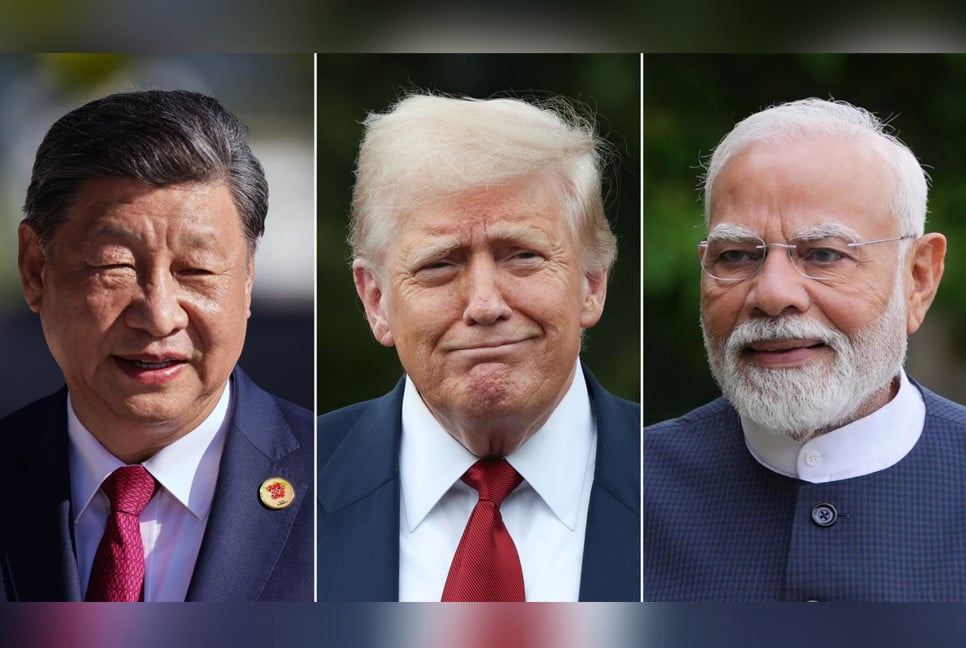
From the Great Liberation War to the student–public uprising of 2024, all major developments have unfolded under specific master plans. No single plan has guided the country for 55 years; rather, each period has had its own blueprint and its own architects. It is as though the guiding principle has been: “Everyone pursues their own interests, yet Bangladesh belongs to all.” Plans for the future may already be in the making. Historically, Pakistan used East Pakistan to serve its own interests, depriving the people of this land unjustly and arbitrarily, without regard for the interests of its 75 million inhabitants. In contrast, the overwhelming aspiration of those people was to free this land from Pakistan and achieve independence. A small number, however, served the interests of a united Pakistan and opposed the Liberation War. As a result, they remain known to the nation as anti-independence collaborators—Razakars, Al-Badr, and Al-Shams. On the other hand, during the 1971 Liberation War, India arguably acted not only in Bangladesh’s interest but also in pursuit of its own, seeking to weaken Pakistan through its support. Its political strategy involved expanding regional influence. Since then, the people of this country have had to navigate a series of strategies and counter-strategies. The present is more complex than any period in the past, and the future is likely to be even more so.
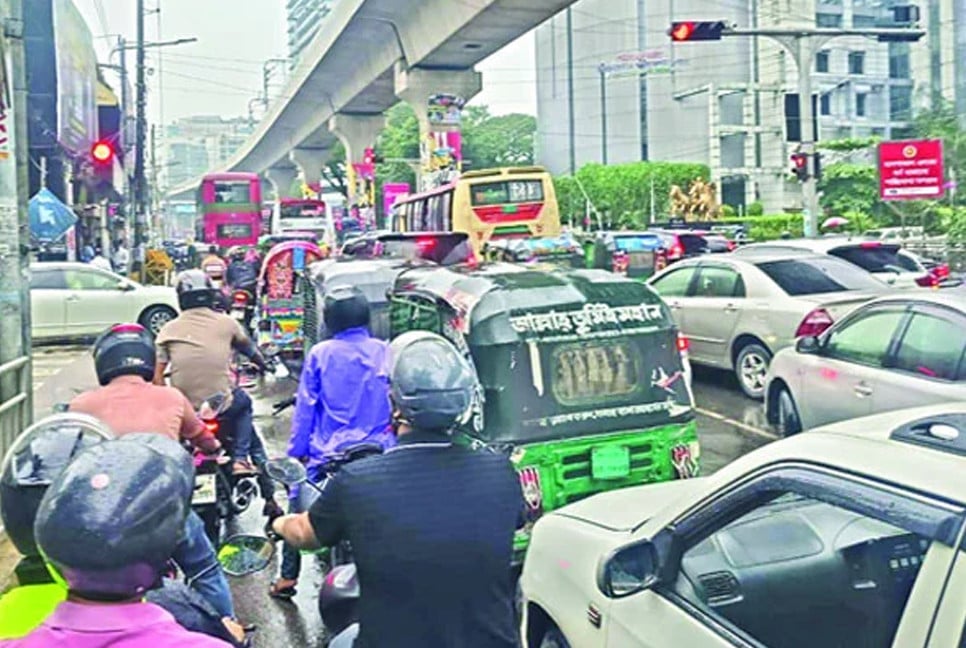
Politics has never been, nor will it ever be, entirely about selflessness. Even within sacrifice, there has always been an element of self-interest. This is why, in pursuit of power, individuals have not hesitated to turn against even their closest relations. Political violence is not confined to developing nations; it has also occurred in advanced countries. Due to various geopolitical considerations, Bangladesh now holds strategic importance for many. In today’s world, there are no simple equations in geopolitics. In the age of information technology, conflicts are not fought solely with weapons; technological competition has also become a battleground. Moreover, the world is currently affected by ongoing conflicts. The repercussions of war—whether in Iran, Israel, the Middle East, or elsewhere—have touched every individual in this country. There is an outcry over fuel shortages, long queues persist at filling stations, transport fares have increased, and the prices of essential commodities have risen. Unemployment continues to grow, placing immense strain on people’s lives.
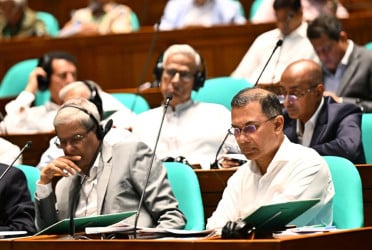
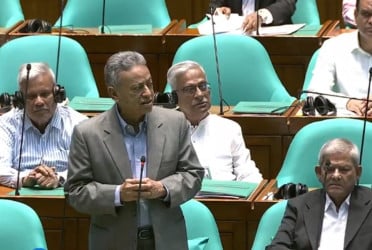
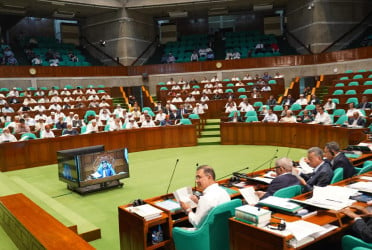
To address these challenges and foster a more stable environment, the government has introduced various social safety programmes, including family cards, farmer cards, sports cards, and fuel passes. Plans are also underway to introduce freelancer cards, LPG cards, expatriate cards, and e-health cards. To achieve food self-sufficiency and protect the environment, a nationwide canal excavation programme has been launched. Efforts are ongoing both to tackle global challenges and to prioritise the resolution of domestic issues. In response to opposition proposals on the energy crisis, an all-party parliamentary committee has been formed. Parliamentary debates on urgent national issues are being widely appreciated, as such an environment has not been seen in Bangladesh for many years. The opposition’s role within Parliament is helping to advance democratic practices, while the ruling party appears, so far, to be working in a tolerant manner and attempting to engage the opposition constructively. Nevertheless, sharp debates and occasional walkouts are intrinsic to parliamentary democracy and form part of its character—something the public expects to see.
However, the contrast between the relatively constructive atmosphere inside Parliament and the heated political climate outside has become increasingly evident. The 11-party opposition alliance is now focused on implementing the July Charter and has launched a two-week programme. It has issued various warnings to the government, accusing it of betraying the people by failing to implement the charter. In effect, the effort to press for implementation is turning into broader anti-government pressure.
In the 13th parliamentary election, Jamaat contested 179 seats, while the new party NCP contested 30. As a result, both parties have strengthened their organisational bases nationwide. Jamaat-e-Islami, in particular, is now stronger than at any time in its past, with significantly expanded public engagement. Reflecting on the party’s performance, Jamaat Ameer Dr Shafiqur Rahman stated that the party has broken many previous records and emerged as one of the largest opposition forces in the country’s history. From just two seats in 2008, its current support base of millions reflects growing public confidence. Election analysis shows that Jamaat has further consolidated its position in the south-western and northern regions, particularly in districts along the Indian border. The party achieved notable success in areas such as Khulna, Jashore, Bagerhat, Satkhira, Joypurhat, Rajshahi, and Rangpur. Overall, it won 25 out of 36 parliamentary seats in the 10 districts of Khulna Division and 17 out of 33 seats in Rangpur Division. In Dhaka, it secured six out of 20 seats. Meanwhile, its ally NCP, though a new party, managed to win one seat in the capital. Clearly, political dominance is no longer concentrated in the hands of any single party as it once was.
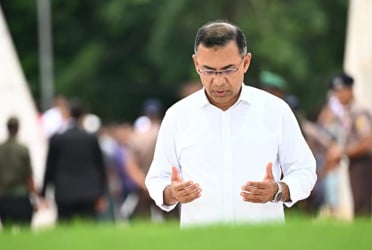
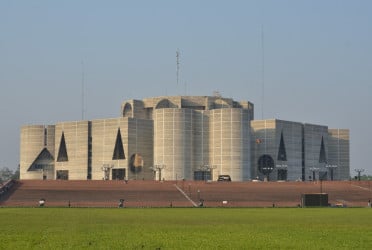
Amid efforts by the opposition outside Parliament to exert pressure on the government, Prime Minister Tarique Rahman, addressing a rally in Jashore on 27 April 2026, urged party members and the Jashore to remain vigilant. He stated that everyone must stay alert to prevent any attempt to create disorder in the country. He noted that all political parties, including the BNP, had signed the July Charter at the South Plaza of Parliament, and that the people had delivered their verdict through the ballot in favour of its passage. He affirmed that every clause and line of the charter would, God willing, be passed in Parliament. He also warned against those who had attempted to mislead the nation during the Liberation War, in 1986, and again in 2009, suggesting that similar efforts were being made in 2026. Emphasising that his party sought to deliver tangible results rather than empty promises, he warned that no one would be allowed to disrupt public peace.
Regardless of the prevailing circumstances, both the government and its party members must remember that four years and ten months will pass quickly, after which they will have to face the people again with their record in office. At that point, it will not suffice to ask for another chance to complete unfinished work. Opportunity is like dry sand—it remains only in the hands that can hold it firmly. Likewise, the opposition must recognise that the student–public uprising of 2024 is not something that can be repeated at will. Instead of engaging in rhetoric over who led the uprising and who came to power, they must respect the people’s verdict. There is no rational basis to assume that the 77 seats gained amid a political vacuum will automatically grow to a majority within a few years. The relatively moderate political climate of 2026 may not persist in the future. Therefore, all sides should exercise patience. Impatience will not bring advantage; rather, it risks greater instability.
Writer: Executive Editor, Bangladesh Pratidin.