Metro Rail: The Truth Behind the Cost and Our False Comparisons
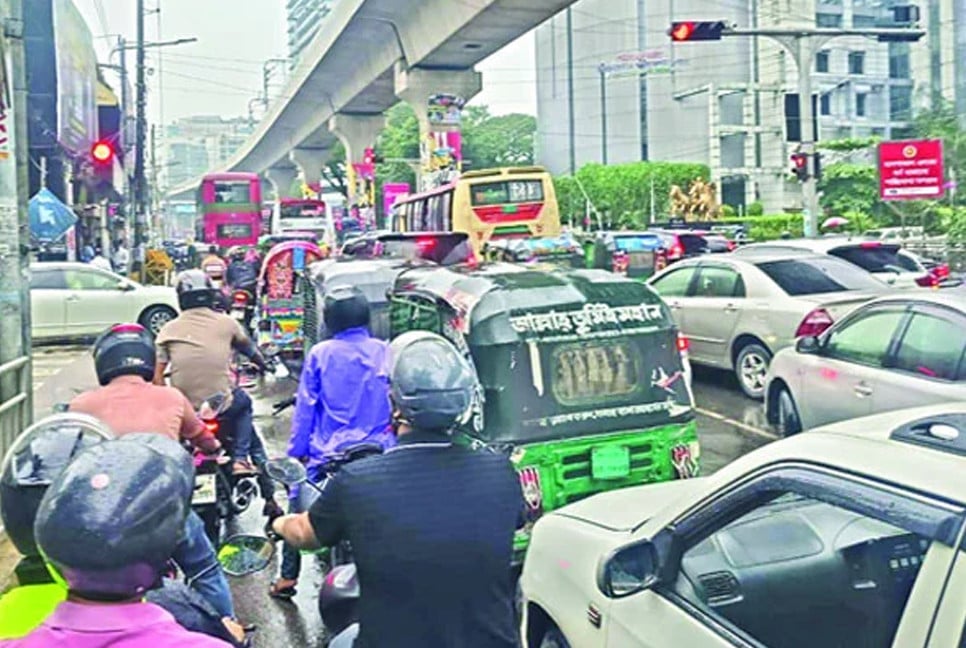
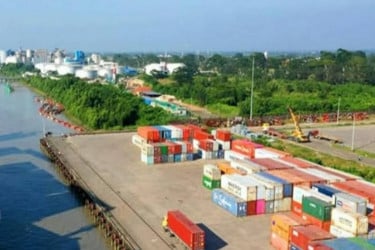
If one day Dhaka is viewed through the impartial lens of history, it will be seen as a city that fought daily against its time—against traffic congestion, against the absence of planning, and against our own short-sightedness. In the midst of that struggle, the metro rail emerged as a symbol of hope. Yet surprisingly, we now look at that very hope with suspicion: Why does it cost so much?
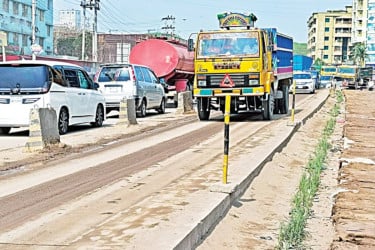
The problem is not really the cost—it is the explanation of the cost. We are comparing elevated metro systems with underground metro systems as if they are the same thing. In engineering reality, they are entirely different. Building an elevated metro means placing structures above ground. But building an underground metro means constructing another city beneath the city.
In a place like Dhaka, with soft soil, high groundwater levels, and extreme population density, tunneling underground is not just a project—it is a technological battle.
Global experience shows that underground metro systems naturally cost three to five times more than elevated projects. Yet we ignore that reality and compare only the numbers, as if development has become a competition over who can build the cheapest project.
Another dangerous trend has been added to this: indecision. In the name of “review” and “reconsideration,” projects are delayed. But reality is unforgiving—over time, costs rise, risks grow, and public suffering multiplies.
Development never waits. If we block it, it returns later at a much higher price. Do we truly want to reduce costs, or have we simply lost the courage to make decisions? Or have we entered a political culture where blocking decisions is more profitable than making them?
Reading, Social Media, and the Crisis of Thought
There was a time when books were people’s greatest companions. Now that place has been taken by scrolling. We are reading, but not deeply. We are learning, but not understanding.
The decline of reading culture in Bangladesh is not merely a cultural problem—it is also a political one. Because a society that does not read does not question. And a society that does not question is easier to govern.
Social media has created a kind of dual reality. On one hand, it is the democratization of information—everyone can speak. On the other hand, it is a factory of confusion—not everyone is telling the truth.
Today’s youth know the news, but not the context. They express opinions, but often without analysis. We have become so addicted to speed that slowness now appears to us as weakness. Yet reading books means slowing down, reflecting, and questioning.
Another dangerous shift has occurred: we have forgotten how to listen. We only want to speak. As a result, dialogue is being replaced by one-way statements. This is not only a social problem—it is a warning sign for democratic culture.
Rabindranath Tagore wrote, “Simple words are not easy to say simply.” Today, we avoid that difficult task. We want to say easy things, while avoiding hard truths.
What we are left with is a crowd of noise—where everyone is speaking, but no one is listening. And when no one listens, truth gradually begins to lose its value.
Education, Identity, and the Politics of Division
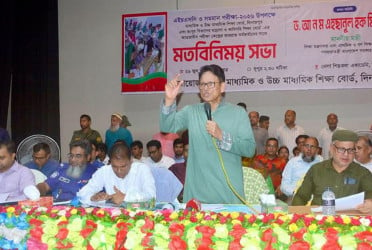
An invisible division is becoming increasingly visible in Bangladesh’s education system: mainstream education versus madrasa education.This divide is not merely about curriculum. It is a divide of worldview, of future direction, and even of state consciousness.
On one hand, we present modern education as the only path to development. On the other, we isolate religious education in a separate world. There is no dialogue between the two. No bridge.
As a result, two kinds of citizens are being created—people who live in the same country, but do not believe in the same reality. This is where politics enters. The deeper the division, the easier the control. When people are kept separate, they are easier to manage.
But history teaches us that such divisions do not strengthen a state in the long run—they weaken it. What we need is not competition, but integration. We need an education system where a student understands science while also learning human values; where religious knowledge exists, but does not conflict with modern reality.
In today’s world, the greatest strength is not simply knowledge, but integrated knowledge—where multiple streams work together. If we fail to achieve that integration, we may produce skilled people, but not wise people. Because education is not merely a path to employment—it is the process of becoming human.
Control, Chaos, and the Power of Silence
Whether in politics or personal life, one old strategy keeps returning: First create disorder, then present control as stability. Those who seek control often create crises invisibly, then position themselves as the ones who can solve them. It is one of the oldest games.
But there is a deeper truth here—not every crisis requires a reaction. Some crises are manufactured only to capture our attention. This is where silence becomes a strategy.
We often think every attack must be answered, every accusation explained. But in reality, these reactions often weaken us. Because those who create chaos want our reaction—that is proof of their relevance.
In today’s world, the strongest person is not the one who speaks the most, but the one who knows when to speak—and when to remain silent. Silence is not merely the absence of reaction. It is a form of power.
It is a position where you allow events to move at their own pace while you remain steady. Truth never shouts. Lies do. Those who constantly explain their honesty are often trying to convince themselves. In this reality, distance is not defeat—it is strategy. Not every battle must be fought. Some battles are won simply by refusing to enter them.
Final Thoughts
From Dhaka’s metro rail to our education system, culture, and even personal relationships, an invisible thread runs through everything: Are we moving toward depth—or only toward speed?
If we calculate only cost but fail to understand the value of the future, we will lose development. If we only scroll but never learn to read deeply, we will lose thought.
If we create division but fail to build integration, we will lose society. And if we feel compelled to answer every word, we will lose the power of silence.
A larger question remains: Do we truly understand what is happening around us? Or are we merely reacting before understanding?
Because in today’s world, information is abundant—but wisdom is scarce. The more we know, the less we seem to understand. The more we speak, the less we listen.
The greatest danger now is that we are slipping into a state of conscious unconsciousness—seeing everything, but not deeply; hearing everything, but absorbing nothing.
This instability affects society, the state, and personal relationships alike. And it is exploited by those who seek control.
So the greatest challenge of our time is to remain steady. To stay away from unnecessary noise. To remain silent when necessary. Because not every word spoken is strength. Not always being visible is strength. Sometimes stepping back, withdrawing, and preserving oneself—that is the greatest strength of all.
This time leaves us with a difficult question: Will we merely react, or will we think? Because in the end, power belongs to those who know when to move forward—and when to pause and simply observe.
And those who understand the power of that pause will find that the future gradually begins to reveal itself to them.
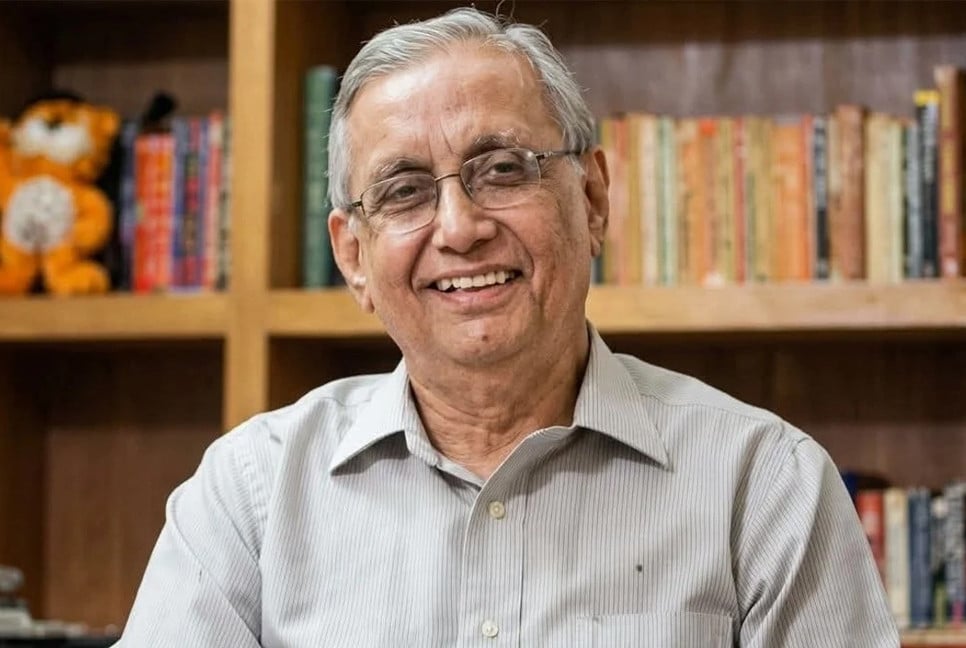
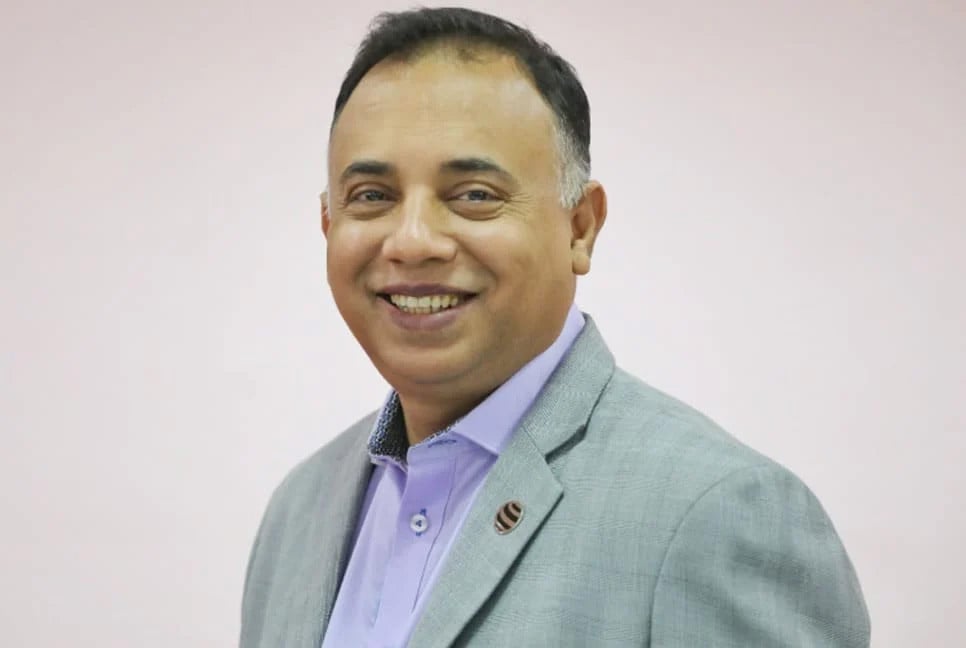
The writer is the president of Center for Governance Studies