This election is not merely about replacing one government with another; it is about transforming the system itself. Only a genuinely free election can return ownership of the state to its rightful custodians—the people. The coming polls must ensure that Bangladesh never again slips into fascism, one-party dominance, or autocratic rule. Few would dispute that three consecutive sham elections under the ousted regime did more than entrench an “iron lady”; they buried the people’s fundamental right to vote.
That period dismantled electoral institutions, forced a historic mass-based party such as the Awami League into political exile, and severely damaged Bangladesh’s international standing. By contrast, elections held under the caretaker government system in 1991, 1996, 2001, and 2008 remain the most credible in the country’s history. Fearing electoral defeat, the Awami League government abolished the caretaker system in 2011 through judicial manoeuvring, stripping citizens of meaningful voting rights and consigning itself to public resentment and eventual rejection.
In a democracy, the people are the true owners of the state. That ownership is exercised most clearly on one decisive day every five years—election day. On that day, citizens empower themselves by choosing representatives and entrusting them with authority. That mandate must then be respected throughout the government’s term. This reality makes an election not only a celebration of democracy but also a moment for sober reflection and responsibility.
Voters themselves carry a profound duty. They must vote consciously, assess candidates by merit and integrity, and remain vigilant long after the ballots are cast. Such civic awareness is the strongest safeguard against governments that ignore public opinion. A sound electoral system should make it impossible for unworthy individuals to enter Parliament without genuine popular support. This election offers a rare opportunity to correct systemic distortions, reject corruption, and challenge the culture of voter disengagement that has taken root over the years.
International attention has reached an unprecedented level. Never before have so many countries engaged so actively ahead of a Bangladeshi election. Diplomatic outreach has gone well beyond routine protocol. The new US ambassador to Bangladesh, Brent Christensen, has openly expressed his expectations for the polls and Washington’s readiness to work with any government elected by the people. His visit to the Election Commission, where he reviewed preparations including ballot design and expressed satisfaction after detailed briefings, underscored the level of international scrutiny.
According to Election Commission Senior Secretary Akhtar Ahmed, the United States plans to deploy independent observer teams and embassy officials to monitor the polls, operating outside the commission’s formal accreditation system. Christensen assumed office in Dhaka on January 12 at a critical moment and arrived well informed about Bangladesh’s political context. His remarks reflect a broader consensus among Western governments and international organisations that prioritise democracy, legitimacy, and stability.
Diplomatic missions in Dhaka have intensified engagement with both political parties and the government. Western envoys have expanded formal and informal consultations, while Chinese and other Asian diplomats continue regular dialogue with party leaders. Their core message is consistent: the election must be free, fair, and peaceful, followed by a credible democratic transition. Some have also warned of consequences should the process fail to meet these standards.
Reflecting these concerns, the European Union deployed its election observation mission even before the official campaign period. The 56-member delegation has divided into district-based teams to monitor developments nationwide, scrutinise preparations, and raise issues with authorities and political actors. Early indications suggest political parties have produced more structured and substantive manifestos than in recent elections.
A manifesto, however, is a responsibility—not merely a list of promises. Encouragingly, many candidates have also made local commitments beyond party platforms, a marked shift from previous polls where voters felt their choices carried little weight. This change signals a growing recognition that politics cannot survive without popular consent. If elected representatives honour this accountability, Bangladesh may witness the beginnings of a healthier political culture.
Democracy, however, cannot be reduced to voting rights alone. Livelihoods, employment, and economic justice matter just as deeply. Political and economic rights are inseparable. Bangladesh must free economic governance from partisan control. Decisions on business, credit, and employment must not depend on party loyalty, as they did under the previous regime. Political interference has fuelled banking scandals, loan defaults, and the misuse of public resources, widening inequality and public mistrust.
Maintaining a peaceful election environment will require constant vigilance. The ousted party and its supporters may attempt to disrupt the process. If voters, authorities, and political actors remain united and alert, such efforts can be defeated. Ultimately, the credibility of the election will depend on those in power, those active on the ground, and sustained international support for Bangladesh’s democratic transition.
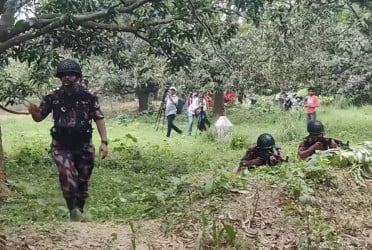
The army has repeatedly affirmed its support for a credible election and its intention to return to barracks promptly after providing assistance. Army Chief General Waker-Uz-Zaman has consistently called for early elections following the fall of authoritarian rule and has demonstrated that commitment through action. His leadership at a critical moment helped steer the country away from bloodshed and chart a path forward.
In an increasingly interconnected world, politics, economics, diplomacy, security, and sovereignty are inseparable. The military has long been a central actor in Bangladesh’s political history, and its role in stabilising the transition in 2024 has raised public expectations. As it continues to support civil administration on the ground, it has helped avert potential crises. A credible election can do more than transfer power—it can help build a renewed democratic order for Bangladesh. That remains the shared hope of all who value democracy.
Bd-pratidin English/ Jisan