Bangladesh is moving toward a long-awaited election after a historic mass uprising that ended 15 years of authoritarian rule. The events of “36 July” were the culmination of prolonged repression, democratic backsliding and systematic violations of fundamental rights. The uprising also marked a profound shift in public consciousness—particularly among Gen Z and young people—who have been shaped by global currents of change and are no longer afraid to speak out, even if emotions at times run high.
Yet the post-uprising period has not been without setbacks. A series of unpleasant incidents since Sheikh Hasina’s ouster has dented Bangladesh’s image abroad. Intolerance has, at times, reached alarming levels, drawing negative international attention. Incidents of vandalism, mob violence and extortion through false accusations have increased. While such behaviour can be traced to the trauma of 15 years of repression and the systematic dismantling of political pluralism in pursuit of a de facto one-party state, retaliatory justice and “an eye for an eye” thinking can never lay the foundation for national progress. Crucially, both citizens and foreign investors seek socio-political stability—and instability undermines confidence in the country’s future.
The failure of traditional politics since the 1990 uprising lies in the absence of a democratic mindset. A “winner-takes-all” approach, coupled with a chair-centric system of governance and scant respect for human rights, weakened accountability and erased the separation of powers. Politics became defined by vengeance and domination, while constitutional amendments were routinely engineered to serve incumbents, aided by the abuse of two-thirds parliamentary majorities. The opposition was effectively sidelined, rendering democratic checks and balances meaningless. To prevent this cycle of unaccountability from repeating, meaningful structural reforms are indispensable.
Students played a decisive role in the uprising, but their momentum has since dissipated. Most returned to everyday life, while a few became entangled in corruption or criminal activity. Some attempted to force their way into mainstream politics rather than earning public trust organically by representing broader interests. Their rhetoric was occasionally compelling but often devolved into unfocused personal attacks. The formation of a political party offered a second chance, yet repeated missteps eroded unity within the student movement. Young people fractured across platforms and ideologies, weakening collective influence.
As a result, the National Citizen Party (NCP)—a student-led initiative launched by some organisers of Students Against Discrimination—struggled to expand beyond a limited base. Its recent electoral alliance diluted its impact, while the resignation of prominent figures such as Dr Tasnim Jara, Dr Tajnuva Jabin and Samantha Sharmin exposed internal distrust. A lack of leadership with organisational depth remains a core weakness. Controversial social media posts and disputes over district committees further damaged credibility. Politics demands long-term vision, organisational discipline and ideological clarity. Media-driven stunts may generate attention, but elections are ultimately decided by vote banks. Turning the party into a platform for a handful of recognisable faces without nurturing new leadership proved demoralising for those who had joined with genuine hopes for change.
Jamaat, by contrast, appears to be experiencing a high point in its political journey. Its role in the movement, followed by victories of its student wing in several public university student union elections, has been described by analysts as a paradigm shift. Internal discipline, structured democracy and a relatively pragmatic approach have made the party more palatable to wider segments of society. The inclusion of figures such as Colonel Oli Ahmed and Major (retd) Akhtaruzzaman surprised many observers. Strategic decisions—such as forming alliances with other Islamic parties, nominating Hindu candidates and involving women in door-to-door campaigns—signal political foresight. Strong showings in recent polls suggest Jamaat is emerging as a serious contender for power.
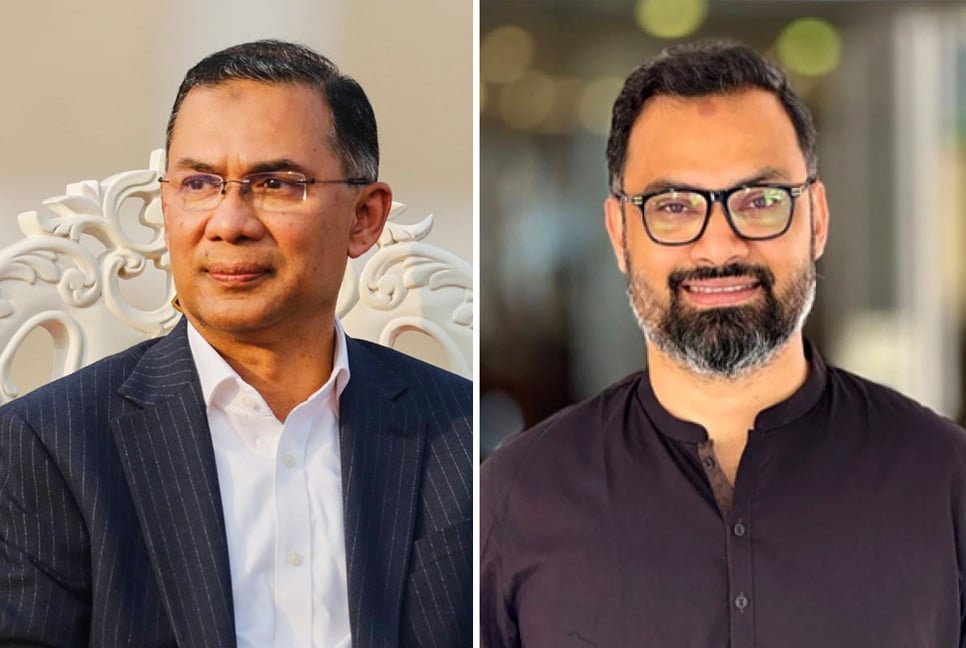
The BNP and its allies, however, remain widely seen as the frontrunners to form the next government. Tarique Rahman’s return after 17 years in exile has injected new momentum into the party. Having endured prolonged political turmoil, he appears politically transformed. His outreach to centrist voters has revived hopes for a more inclusive Bangladesh, though reining in corruption and restoring internal discipline will remain formidable challenges.
The nation also continues to mourn the tragic passing of Begum Khaleda Zia. Her death drew condolences from world leaders, while millions gathered in Dhaka for her janaza. Her health deteriorated sharply during her prolonged isolation in prison and following a politically motivated conviction under the previous regime. Denied timely advanced medical treatment, she never fully recovered. Khaleda Zia commanded respect across ideological divides—among leftists, centrists and rightists alike. Her lifelong struggle for democracy set a high moral benchmark for her successors. Unbowed and uncompromising, she remained steadfast until the end.
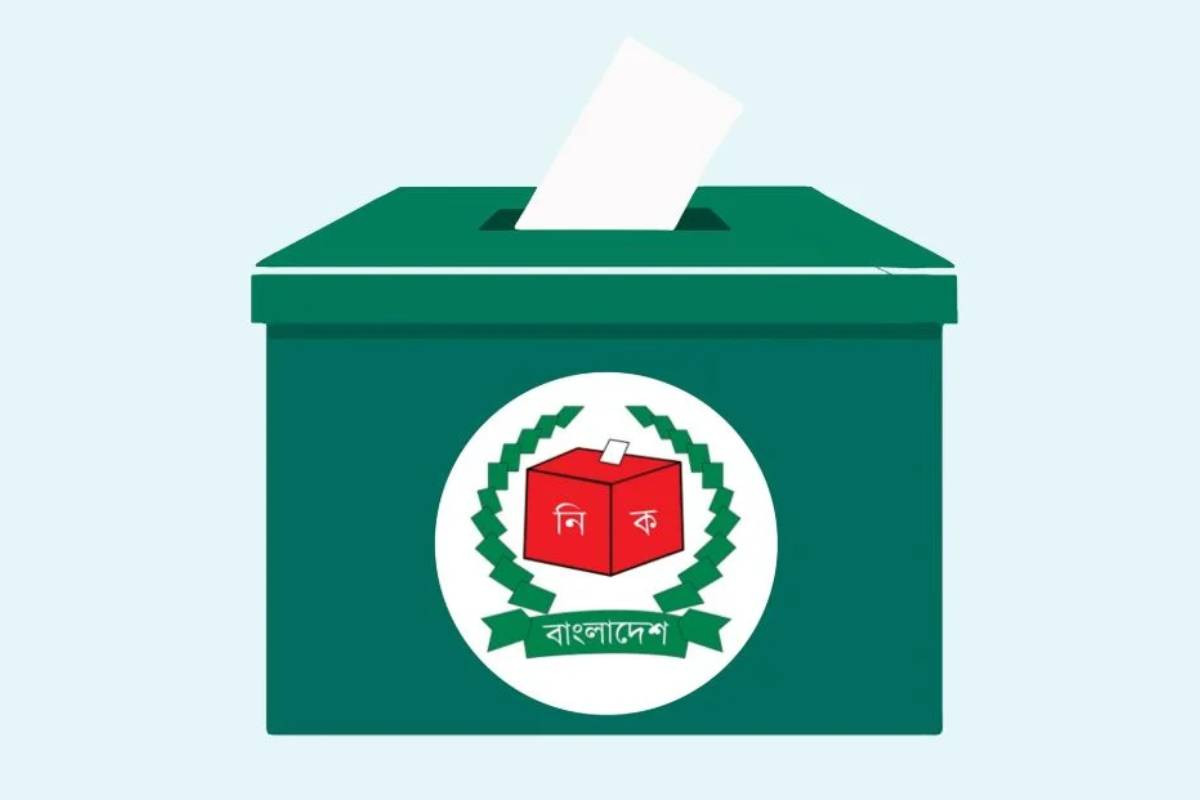
The upcoming election is particularly significant as it will also function as a referendum on proposed reforms. A strong “Yes” vote would grant parliament a clear public mandate to implement changes aimed at restoring checks and balances. Establishing a balance of power is essential for building an accountable democracy. The government’s foremost responsibility is to ensure peace and prevent any form of rigging or manipulation. International partners are watching closely.
At a time of political transition and economic vulnerability, Bangladesh cannot afford controversy over electoral fairness. As shifting global power dynamics intensify, the country’s strategic geography is turning it into a focal point of competing international interests. A credible, peaceful and transparent election is therefore not just a domestic necessity—it is vital for safeguarding Bangladesh’s democratic future and its standing in the world.
The writer is a Barrister-at-Law, Lincoln’s Inn
Courtesy: Daily Sun
Bd-pratidin English/ Jisan