Despite the government’s multifaceted efforts, the economy cannot be kept afloat merely through reserves and remittances. High inflation, fragility in the banking sector, and a prolonged investment slowdown have combined to create a suffocating situation that cannot be reversed by any magic solution. Even those with little understanding of economics can no longer ignore the reality.
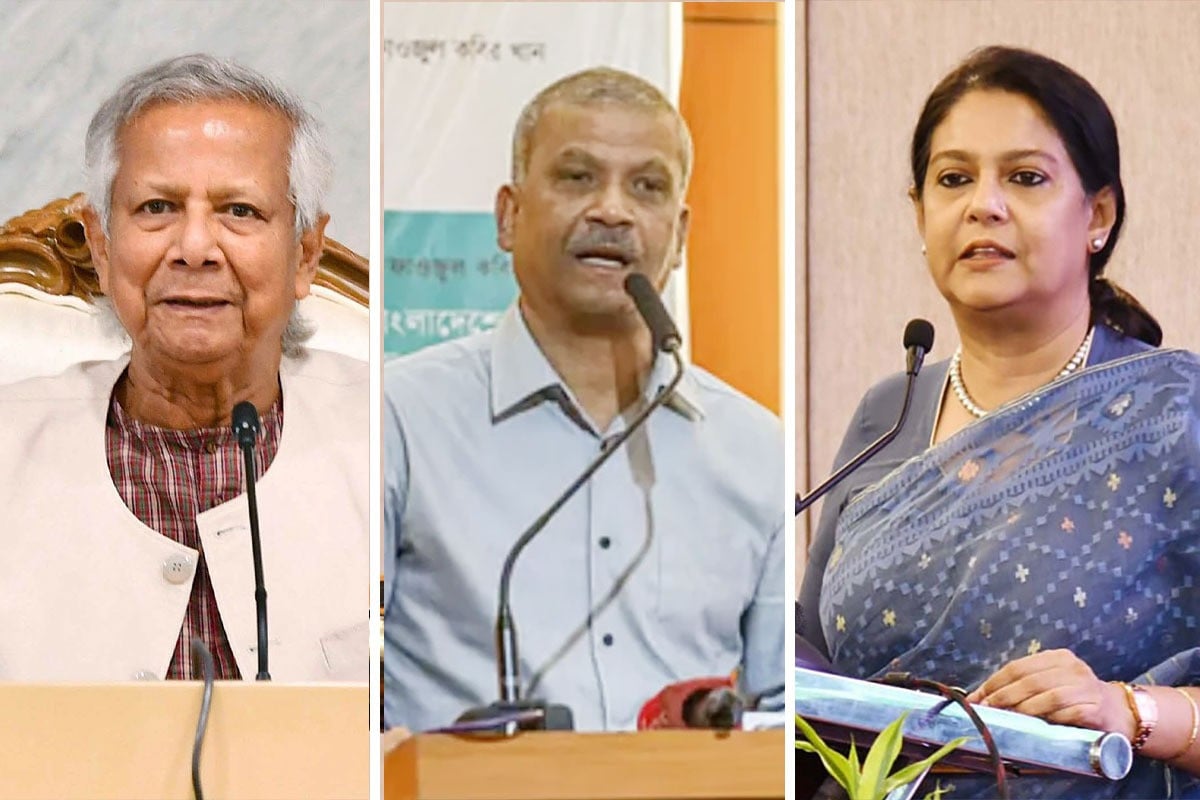
The Planning Adviser himself has acknowledged this at a public event, indicating that inflation cannot be brought down quickly. There are also admissions that private-sector credit flow has declined significantly. The plight of businesspeople and investors needs no further explanation.
Although facts are being acknowledged, no serious effort has been made to examine how the economy reached such a dire state. The collapse of business and investment and the growing pressure on entrepreneurs began during the tenure of the ousted Awami League government. Following its fall through a mass uprising and the formation of an interim government, public expectations rose sharply across sectors, including the economy. But reality has proved far harsher.
Living from one uncertain month to the next has now become the fate not only of businesspeople and those directly involved in the economy, but also of the government itself—and by extension, the entire country. Investment stagnation, massive revenue shortfalls, unemployment, high inflation, elevated interest rates, inefficient ADP implementation, and disappointing GDP growth have overwhelmed the government. In turn, the government’s paralysis has left the people—and the country—on life support.
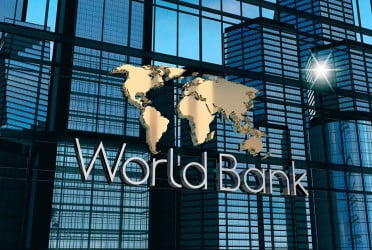
The slowdown has taken a severe toll on the labour market. According to World Bank estimates, employment declined by nearly two million in FY 2024–25 compared to 2023. Unemployment is expected to rise from 4.7 percent to around 5 percent, with another 1.2 million jobs potentially at risk over the next six months.
From the outset, the government attempted to steer the economy without involving businesspeople and investors as stakeholders. They were not merely ignored; in many cases, they were portrayed as unilateral villains. Allegations of money laundering, tax evasion, land grabbing, loan fraud, embezzlement, and illegal asset accumulation were levelled indiscriminately—often without due process. Punishment was delivered before trial. In some cases, even spouses, children, and grandchildren were subjected to character assassination.
Had there been concrete evidence, authorities could have seized not only bank accounts but much more. Instead, mob-style trials crushed investment while destroying social dignity. As a result, factories and enterprises—large and small—have been shutting down, pushing the economy to a critical juncture and swelling the ranks of the unemployed.
In the Gazipur and Savar industrial zones alone, 327 factories have closed, leaving nearly 150,000 people jobless. These unemployment hotspots have seen law-and-order situations spiral out of control. Road blockades, shutdowns, sieges, and chaos have become common. Even the courtyard of the Chief Adviser’s residence, Jamuna, was not spared.
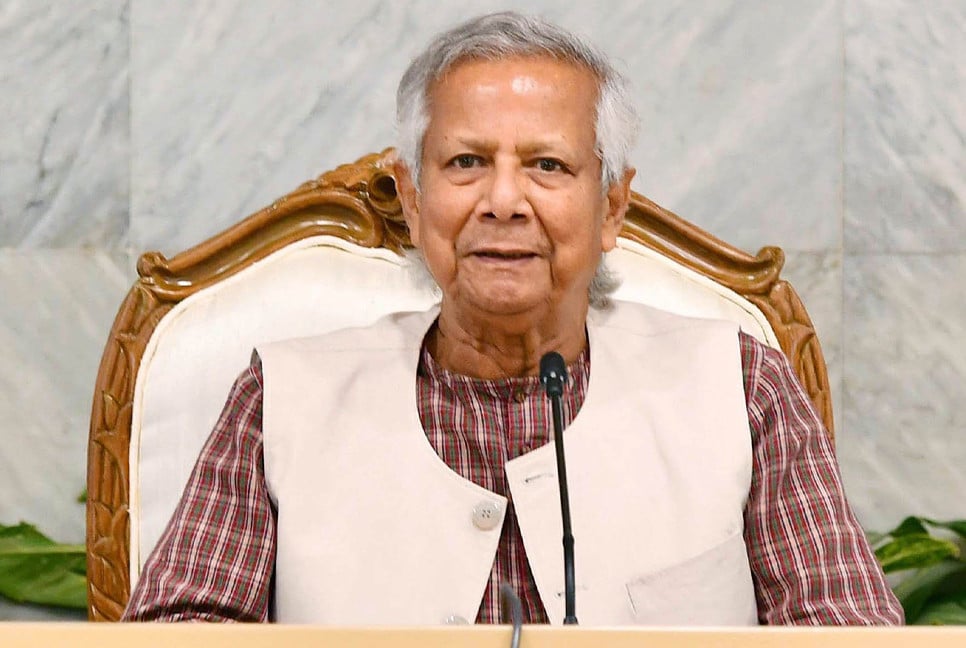
Professor Dr Muhammad Yunus has listened to many groups and met several demands. But businesspeople have silently borne their suffering. They cannot afford strikes or work stoppages. Each day brings continuous losses and harassment. The government has never called them for dialogue—never sought their advice, nor even listened to their grievances. This amounts to an unofficial ban on their right to live with dignity.
For businesspeople, the situation is economically harassing, socially oppressive, and even violent in nature. Out of shame and fear, many have scaled back operations or avoided public appearances altogether. New investment is unthinkable; even protecting existing investments has become a struggle.
Since the fall of the Awami League government on 5 August, many factories have shut down, while potentially viable ones have failed to recover due to financial constraints. Financing shortages, lack of loan support, and rising interest rates have deprived many entrepreneurs of sleep. No investor anywhere in the world wants to operate under such uncertainty—especially while being publicly humiliated.
Countries like Nepal and Sri Lanka experienced similar political transitions, yet their business communities were not destabilized by reform chaos, mob pressure, or rumor-driven movements. As a result, their economic arteries remained active, and governments were able to show results. Sri Lanka and Nepal restored market stability through consultation and cooperation with business leaders. Vietnam stabilized investment by prioritizing tax incentives, export facilitation, and investor support.
Bangladesh—and its interim government—has taken the opposite path. Instead of prioritizing private-sector activity to revive the economy, businesses have been pushed further away. The result is today’s crisis affecting the government, the country, and the people alike.
With investment drying up, inflation has become entrenched. Foreign investment has also failed to materialize. Government data for FY 2024–25 shows that foreign direct investment declined by 58 percent compared to the same period of the previous year. While the private sector struggles, the public sector continues to rely on bank borrowing—an option unavailable to businesses and citizens.
Meanwhile, social and political instability continues to grow. Power and energy shortages, high interest rates, and deteriorating law and order have made survival itself feel like fate. Instead of policy support, media trials against leading business figures persist. Harassment and false cases discourage even protest. Business has effectively been criminalized.
No initiative has been taken to even identify the problems faced by businesspeople—let alone solve them. This neglect has pushed the country into a prolonged state of economic and social discomfort.
The writer is a journalist and columnist, and Deputy Head of News at Banglavision.