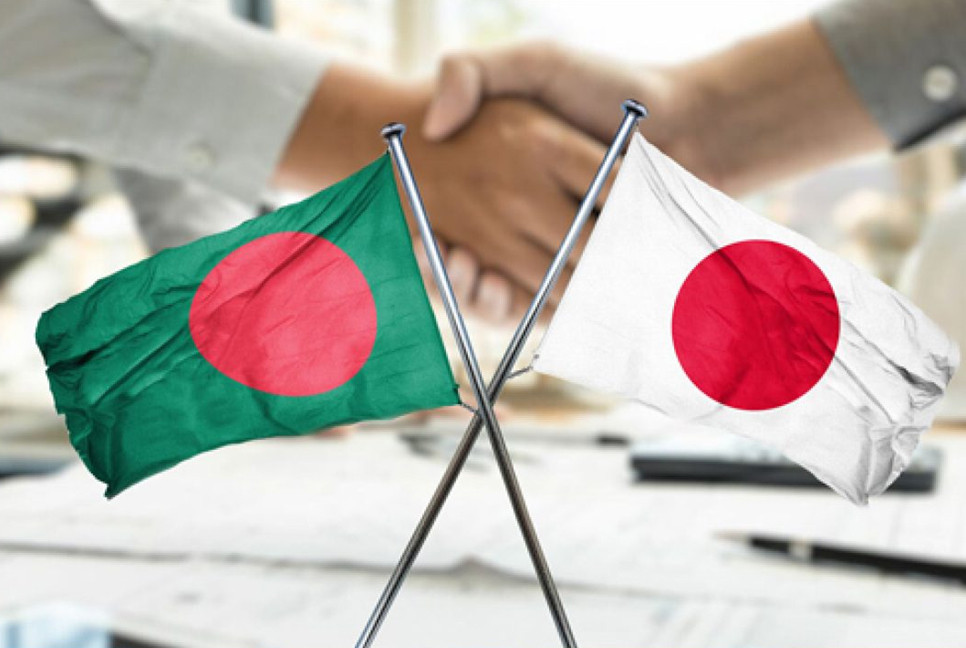
Bangladesh is set to graduate from the list of Least Developed Countries (LDCs) in November this year. While this graduation is a significant achievement, it also brings major challenges for export trade, as Bangladesh will gradually lose the duty-free market access facilities associated with LDC status. Against this backdrop, the signing of an Economic Partnership Agreement (EPA) with Japan is being seen by economists and analysts as a timely and strategic move by the government.
According to available information, around 73 percent of Bangladesh’s exports currently depend on LDC-related trade preferences. Various studies warn that once these benefits expire, the country’s annual export earnings could decline by as much as USD 8 billion. In this context, economists believe that the EPA with Japan will create an important safety net for Bangladesh.
Once the agreement comes into force, Japan will grant duty-free access to 7,379 Bangladeshi products, covering nearly 97 percent of the country’s total exports. The ready-made garments sector, the country’s main export industry is expected to be the biggest beneficiary of the agreement.
The EPA goes beyond tariff reductions alone. It includes provisions on investment, trade in services, labor standards, regulatory cooperation, and policy compliance. Notably, Bangladesh will open 97 sub-sectors across 12 service sectors to Japan, while Japan will open 120 sub-sectors for Bangladesh. The inclusion of the single-stage transformation rule is particularly significant for the garment sector.
Previously, strict ‘rules of origin’ often prevented Bangladeshi exporters from fully utilizing trade benefits. With the new provision in place, conditions for garment exports will be relaxed, strengthening Bangladesh’s competitive position in the Japanese market.
In addition, the agreement is expected to create opportunities for Japanese investment and technology transfer in sectors such as information technology, logistics, healthcare, infrastructure, and professional services. Under the EPA, Bangladesh will provide duty-free access to 1,039 Japanese products, to be implemented gradually over an 18-year period. While this may put some domestic industries under competitive pressure in the short term, analysts expect that, in the long run, greater access to advanced technology, high-quality raw materials, and machinery will enhance industrial capacity.
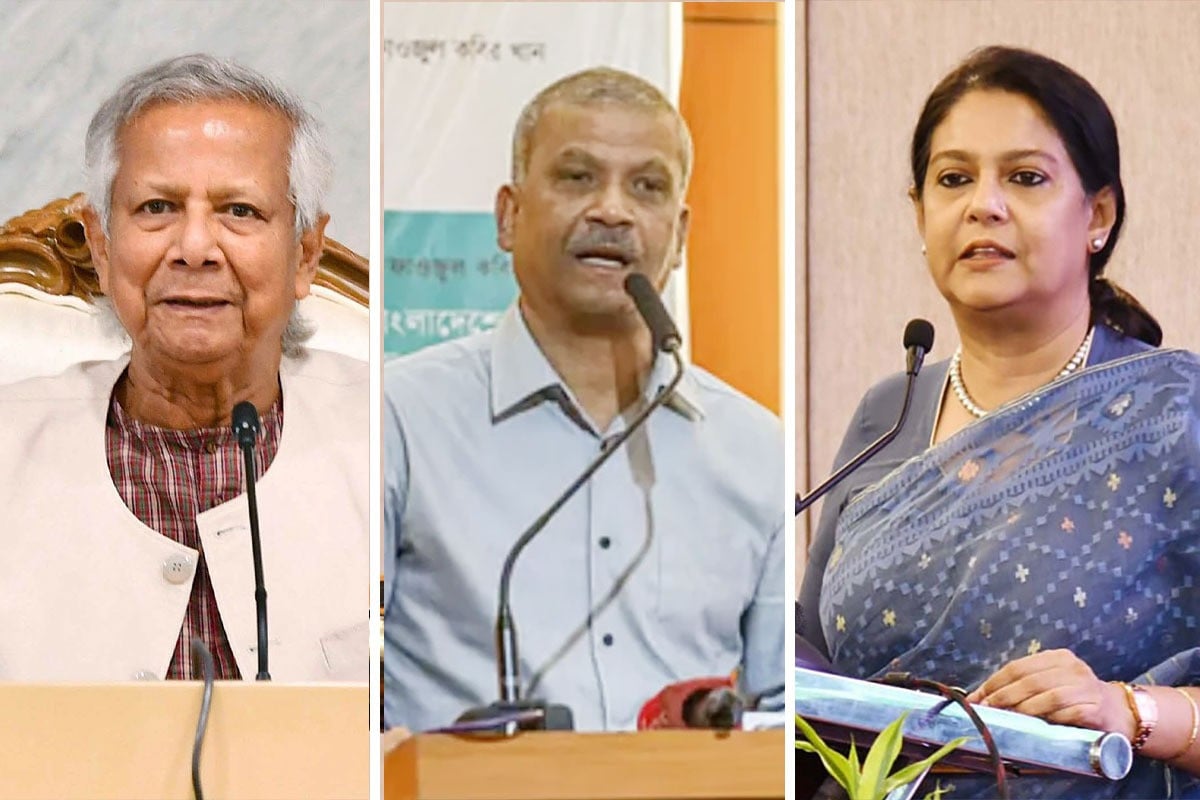
Chairman of Policy Exchange Bangladesh, M Masrur Reaz said, “The agreement will also strengthen Bangladesh’s position in future trade negotiations with markets such as the European Union, the United Kingdom, Canada, and South Korea.”
According to Dr Mohammad Abdur Razzaque, Chairman of Research and Policy Integration for Development (RAPID), the agreement with Japan is not merely a trade deal but a signal of Bangladesh’s growing capability in the global market. It demonstrates that Bangladesh is ready to engage in complex and comprehensive trade agreements with major global partners. Currently, Japanese investment in Bangladesh stands at around USD 500 million, which is relatively small compared to Japan’s global investment footprint.
However, analysts caution that while the EPA sends a positive signal of confidence for investors, domestic challenges remain significant barriers to attracting investment. Issues such as land scarcity, uncertainty in energy supply, bureaucratic complexities, and a lack of policy continuity could limit the inflow of expected investment if not addressed.
M Masrur Reaz noted, “At a time of uncertainty following LDC graduation, the EPA with Japan represents a major strategic opportunity for Bangladesh. Whether this opportunity remains confined to paper or translates into tangible economic gains will depend on the government’s policy preparedness, the pace of reforms, and the capacity of the private sector.”
Analysts further emphasize that once the EPA becomes effective, the biggest challenge will be implementation. Rapid reforms will be required in customs management, quality control, labor standards, and the creation of a business-friendly environment. At the same time, Bangladesh will need to focus on export diversification and adopt strategies to capture new product segments in the Japanese market.
Bd-pratidin English/ ANI