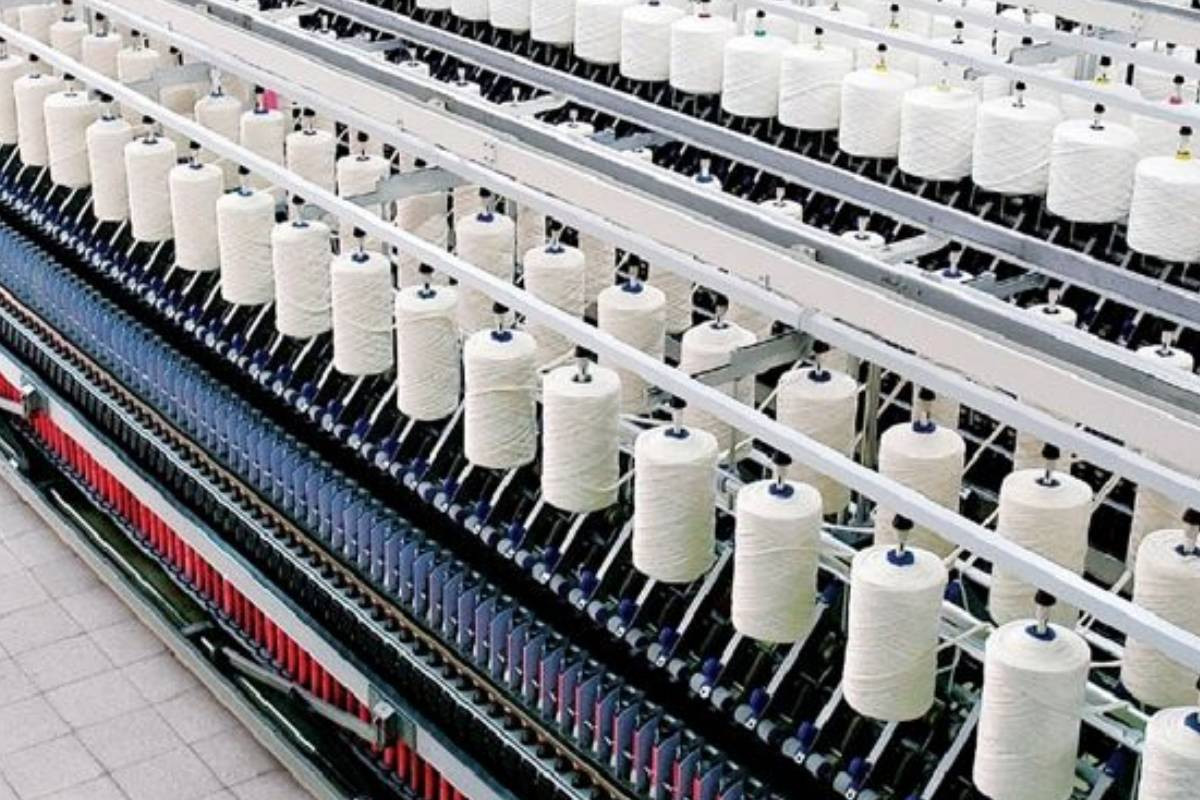
Bangladesh’s textile sector is facing a severe crisis, with 50 spinning mills already closed and another 50 at risk due to rising imports of cheaper yarn. The closures threaten the livelihoods of roughly 200,000 workers, the Bangladesh Textile Mills Association (BTMA) said.
BTMA has urged the government to impose import duties on 10- to 30-count yarn to protect domestic mills. The Ministry of Commerce has recommended that the National Board of Revenue (NBR) enforce such duties.
However, major industry bodies—including the Bangladesh Garment Manufacturers and Exporters Association (BGMEA), Bangladesh Knitwear Manufacturers and Exporters Association (BKMEA), and Bangladesh Garment Buying House Association (BGBA)—oppose the move. They warn that tariffs would raise yarn costs, increase production expenses, and could drive foreign buyers to other countries.
BTMA has warned that without intervention, domestic spinning mills cannot survive. The association announced that it will close all textile factories nationwide from February 1 if the government does not act.
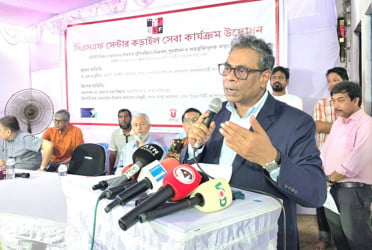
Industry employees and professional associations have also called for urgent measures to safeguard the sector, highlighting the threat of massive job losses. They held a press conference in Dhaka on Tuesday to emphasize the crisis.
BTMA noted that yarn imported under duty-free bond facilities from neighboring countries, along with government incentives and subsidies, has created a price gap of 30–35 cents per kilogram compared to local yarn. This has already forced dozens of mills to close and threatens many more.
Former BTMA director Engineer Razeeb Haider said, “The Tariff Commission reviewed all import data and recommended keeping 10–30 count yarn out of the bond, which is realistic and reasonable. But the decision has stalled in red tape, raising questions about whether the government truly prioritizes the industry.”
BTMA President Showkat Aziz Russell added, “If effective policy steps are not taken immediately to end the unfair advantages on imported yarn, the textile sector will face extreme disaster. We are prepared to follow through with the February 1 closure plan to protect domestic industry.”
Bd-pratidin English/ Jisan