With the demise of Begum Khaleda Zia, Bangladesh has lost its unanimous guardian, source of inspiration, symbol of fighting for justice and uncompromising leader of democracy.
The ordinary people have recognised the invaluable worth and sky-high personality and demonstrated their long-held latent respect to their beloved leader after her death in the new Bangladesh.
Begum Khaleda Zia has left behind a clear mark on the distinguishing features of our national identity and interest.
The leaders of the July 36 movement told her that they were honoured to set her free from the jail of the ousted fascist government. Like our lost national dignity and independence, Begum Zia was freed by the student-people-led July uprising.
If the young people did not stand strong in front of the guns/bullets and remove the oppressive regime, no one knows how many people would have joined her funeral, which was the record-largest gathering of mourners in the history of mankind.
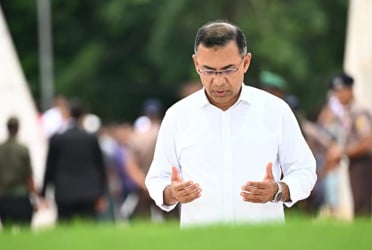
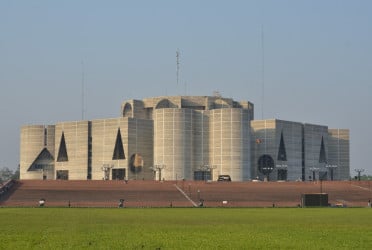
Begum Khaleda Zia passed away on 30 December 2025 at the age of 80. The funeral prayers of this uncompromising leader of ordinary people were held at the South Plaza of the Bangladesh Parliament on 31 December 2025.
The massive turnout of millions of people at her funeral conveys lots of messages and teachings not only for the political leaders of Bangladesh but also for the rest of the world.
An introvert housewife of an army general redefined herself as a most popular politician after the death of her husband, President Shahid Ziaur Rahman, Bir Uttam.
The highest level of determination for democracy, unwavering patriotism, tireless efforts for socio-economic development, leadership for education and empowerment of women, a firm stance against hegemony and championing of national interest made her a symbol of the aspiration of the people of Bangladesh.
Begum Khaleda Zia never lost any of the elections she fought. She won all 23 electoral seats she contested in her political career and received massive votes in both rural and urban areas.
Begum Zia was the firsthand witness of the unparalleled honesty and patriotism for Bangladesh in Shahid Zia.
She continued the politics of her husband, who united people under the common identity of Bangladeshi nationalism, introduced the politics of development, patronised meritocracy, promoted multiparty democracy and human rights, contributed to uniting the Muslim Ummah and included Islamic faith in the constitution.
She started her political career as the chairperson of the Bangladesh Nationalist Party (BNP) but eventually became the leader of all Nationalist and Islamic people, due to her own merit, far beyond any party line.
The highest trust, unparalleled respect and heartfelt love of the people that she earned through the struggle and serving as the prime minister for three terms were reflected in her election results and funeral prayers.
As the most oppressed leader, Begum Khaleda Zia became more popular during the regime that evicted her from her long-time house allotted by the then Bangladesh government to her husband when he was the Chief of Army.
The political oppression, gross injustice and mistrial by the ousted government brought her further close to people’s hearts. The large number of foreign delegates and government officials who participated in her funeral is a testimony of her enduring influence and unforgettable contribution.
The departure of Begum Zia has left NBP, in general, and its leader Tarique Rahman, in particular, with the biggest challenge of upholding her distinctive political legacy of patriotism and personal attributes of the ever-shining leadership.
Actually, Begum Khaleda Zia’s personality, commitment, contribution and leadership style had made her a leader far beyond her own political party.
She has become a well-loved and genuinely respected national leader. The final message the remarkable farewell of Begum Khaleda Zia conveys is that Allah SWT bestows respect and honour on anyone He wills regardless of what people try to do otherwise.
_________________________________
The writer is a former Vice Chancellor of Asian University of Bangladesh, Dhaka; and Emeritus Professor of University of Southern Queensland, Australia. He can be reached at [email protected]