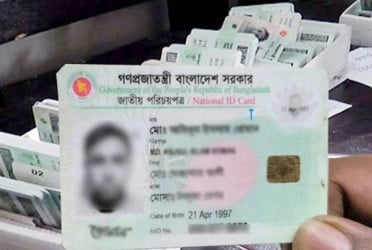
Undecided voters could play a decisive role in Bangladesh’s 13th national parliamentary election, now less than three weeks away, as political parties intensify efforts to win over floating voters amid a fragmented contest.
With 18 days remaining before polling, competition between alliances led by the Bangladesh Nationalist Party (BNP) and Jamaat-e-Islami has intensified, while the presence of smaller parties and independent candidates has further complicated the electoral landscape.
Several recent opinion polls indicate that between 17 and 20 percent of voters remain undecided, a figure analysts said that could significantly influence the formation of the next government.
Political analysts note that despite being barred from electoral activities, the Awami League’s large traditional vote bank remains a critical factor. A substantial portion of undecided voters are believed to be aligned with the party.
Voter turnout in the national election has sometimes been below 40 percent, and sometimes exceeded 87 percent. In such a reality, only 10 percent of votes can be the determinant of victory or defeat.
As a result, the main goal of the power-seeking parties is now to bring these voters to the center and win them over.
Field-level information indicates that various parties and alliances are desperate to reach out to the workers and supporters of the Awami League. They are being assured of protection from lawsuits and arrests. There have also been reports of a significant number of Awami League workers and supporters joining BNP and Jamaat-e-Islami in various areas including Comilla, Bhola, Chuadanga, Mymensingh.
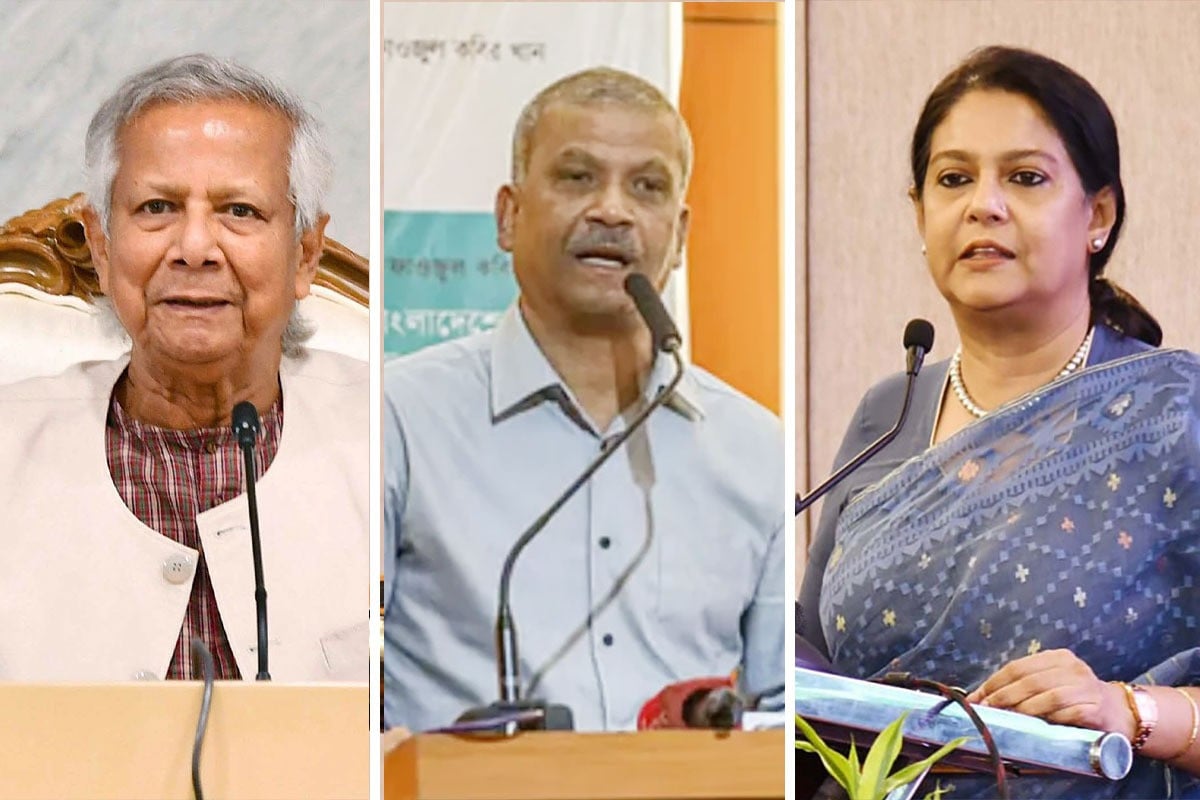
On December 23, in the 'Star Election Dialogue', National Citizen Party (NCP) convener Nahid Islam alleged that BNP and Jamaat-e-Islami are openly competing to win Awami League votes and are being assured of withdrawing their cases.
Recent surveys also indicate this tension. In September last year, a survey by Innovation Consulting showed significant (18.80 percent) support for Awami League, but after the party's absence from the elections was confirmed, the voters' course began to change.
A survey conducted by Eminence Associates for Social Development (EASD) published on January 5 showed that about 70 percent of people want to vote for BNP, 19 percent for Jamaat and 2.6 percent for NCP in the upcoming elections. 60 percent of Awami League voters expressed interest in voting for the BNP.
The survey published by the International Institute of Law and Diplomacy (IILD) on January 12 next week showed that 34.7 percent of respondents want to vote for BNP, 33.6 percent for Jamaat, 7.1 percent for NCP, and 3.1 percent for Islami Andolon Bangladesh.
In that survey, 17 percent of voters are still undecided. A large part of them are believed to be pro-Awami League.
Election expert Dr. Md. Abdul Alim said, "Victory or defeat is determined even in five to ten votes. There, 17 percent of undecided voters are very important. They may not vote. Apart from that, they may spoil the ballot or choose an alternative candidate.”
“ There is a sign that especially staunch Awami supporters will refrain from voting. Some voters will be divided. They will vote for the alternative candidate of their choice. In this case, which party has been able to make more political reforms after the July Uprising, tried to bring about change, and how they behaved will be taken into consideration. Each party will adopt strategies to attract these votes,” he added.
According to Dr. KM Mohiuddin, a professor in the Department of Government and Politics at Jahangirnagar University, “The Awami League’s vote bank will have a big impact on the election results. Which party or candidate gets these votes will depend on local politics and security assurance. They will choose the party or candidate who has given them shelter and helped them live in a safe environment. This picture may differ from area to area.”
Bd-pratidin English/TR