After hosting 12 general elections over the past 54 years, Bangladesh now accelerates towards its 13th national polls. Following the expiry of the withdrawal deadline, the Election Commission (EC) allotted symbols yesterday to 1,967 valid candidates out of an initial 2,585 applicants. Candidates begin their official campaigns today with only 20 days remaining until the 12 February election.
The interim government and the EC have promised a historic and landmark election. Uniquely, the nation will hold a referendum on the same day to prevent the return of fascism and secure voting rights against future theft. However, almost all political parties have already accused the EC of bias. The Bangladesh Nationalist Party (BNP) described the polls as a test of whether the country will fall to "anti-state extremists," while Jamaat-e-Islami warned it would reject any "unbalanced election" similar to the 2008 polls. The National Citizen Party (NCP) demanded a model reflecting the 1991 elections rather than 2008.
Analysts are now watching to see which model this interim government adopts—whether it mimics an old template or introduces something entirely new.
A review of past elections shows a varied history:
1973: The first election saw 53.54% turnout. The Awami League won 292 seats, including 11 uncontested victories. The parliament lasted 2.5 years.
1979: The BNP won 220 seats with 51.28% turnout. This parliament lasted nearly three years.
1986: Despite a reported 89.38% turnout, the parliament lasted only 75 days. The Jatiya Party secured 153 seats.
1988: The Jatiya Party won 251 seats in an election boycotted by major parties, lasting about 2.5 years.
1991: Widely considered the most acceptable election, the BNP won 140 seats and formed the government despite the Awami League's high expectations.
1996 (February): This controversial election lasted only 11 days. The BNP won 278 seats amid a 26.74% turnout.
1996 (June): The Awami League won 146 seats in a high-turnout (75.60%) election.
2001: The BNP won 193 seats with a 74.73% turnout.
2008: The Awami League won 230 seats. Critics later called this a "white-collar fraud" election, alleging that seat counts were pre-determined before voting.
2014: A highly controversial poll where 153 members were elected uncontested.
2018: The Awami League won 257 seats amid widespread allegations of "night voting."
2024: Following the 7 January election, the Sheikh Hasina government fell on 5 August after a mass uprising.
The upcoming 13th election faces intense scrutiny. History suggests that any attempt to pre-determine seat counts will deny the organisers a "safe exit." As candidates hit the campaign trail, the country waits to see if the interim government can deliver a truly transparent model.
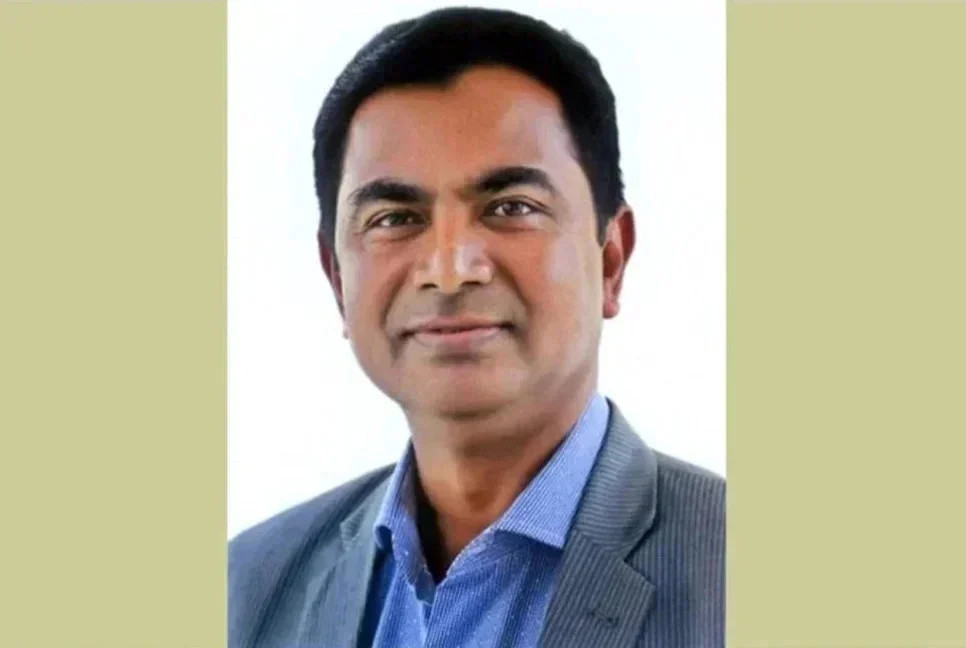
The writer is the Executive Editor of Bangladesh Pratidin.