Bangladesh has recorded a steady rise in poverty as political uncertainty and economic slowdown continue to undermine growth, employment and labour migration, raising concerns among economists and development experts.
According to the World Bank’s Bangladesh Poverty and Equity Assessment 2025, the poverty rate rose to 21.2 percent this year, pushing nearly 2 million people below the poverty line. More than 3 million people fell into poverty last year, bringing the total number of poor in the country to over 35 million.
The World Bank report notes that economic growth has become less effective in reducing poverty due to weak governance, shrinking job opportunities and limited employment creation. As a result, vulnerable households face increasing risks, while the poor population continues to grow.
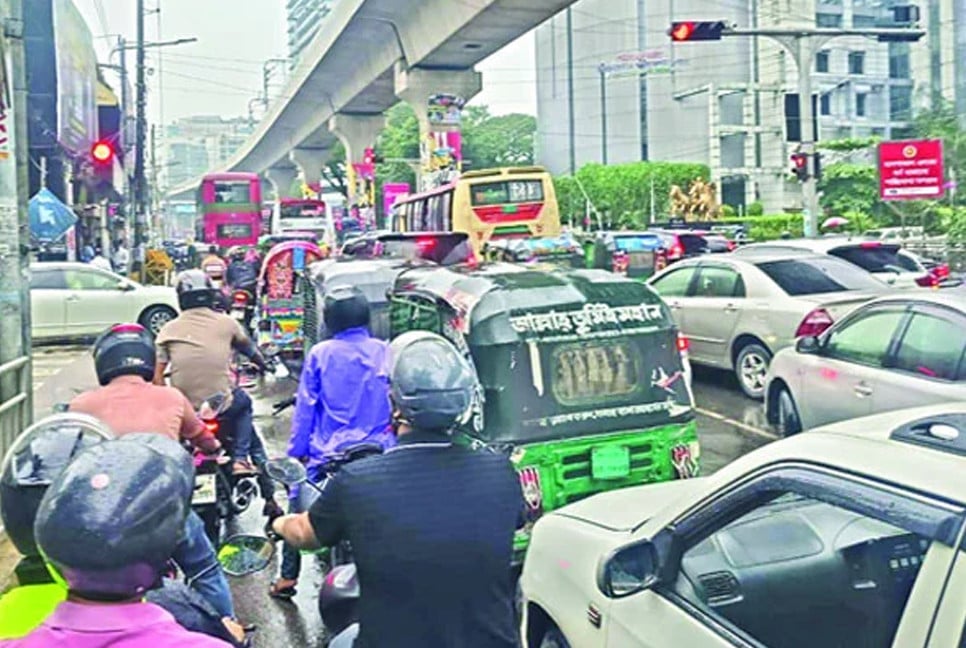
The World Bank identifies both internal and international migration as key pathways out of poverty for millions of Bangladeshis. It says remittances have helped reduce overall poverty and improved the living conditions of poor households. However, the report highlights major obstacles, including inhumane living conditions for internal migrants in overcrowded cities and high migration costs that limit overseas employment for workers from poor families.
To address these challenges, the World Bank outlines four priority policy areas: strengthening the foundation for productive employment, creating better jobs for the poor and vulnerable, investing in modern production systems with business-friendly regulations, and expanding effective, well-targeted social protection supported by strong fiscal policy.
A separate survey published on 25 August, 2025, by the Power and Participation Research Centre (PPRC) presents an even sharper rise in poverty. The study estimates poverty at 27.93 percent, compared with 18.7 percent in 2022, according to the Bangladesh Bureau of Statistics. Extreme poverty rose to 9.35 percent this year from 5.6 percent three years ago.
Labour market data cited in local media reports show that nearly 2 million people lost their jobs between 2023 and 2024, with another 800,000 at risk this year. Women and young people account for most of the job losses, reflecting growing structural weaknesses in the labour market.
The pressure extends beyond domestic employment. Bangladeshi migrant workers continue to return from several countries as overseas labour markets shrink. Corruption and high migration costs have led multiple destinations to suspend recruitment. According to the Bureau of Manpower, Employment and Training, countries including Oman, Bahrain, Libya, Sudan, Egypt, Romania and Brunei have stopped hiring Bangladeshi workers over the past decade. Malaysia has suspended recruitment, while the United Arab Emirates has halted visa issuance. Labour migration to Iraq has remained closed since 2019.
Although Japan pledged to recruit at least 100,000 Bangladeshi workers over five years under a memorandum signed during a high-level visit in May, only 1,472 workers have migrated so far.
BMET data show that Bangladesh once had access to at least 12 major overseas labour markets, but that number has now shrunk to two or three. Saudi Arabia remains the dominant destination. Of the 1,075,976 Bangladeshis who went abroad this year until 17 December, more than 715,000 travelled to Saudi Arabia, mostly as unskilled workers.
Experts warn that without urgent action to reopen closed labour markets, expand new destinations and increase the export of skilled workers, economic pressure will intensify and poverty could worsen further. They stress the need for a migrant-friendly, transparent recruitment system, prioritising workers from poor families and providing access to affordable migration loans.
Analysts say sending skilled workers abroad in line with global demand would help reduce poverty, strengthen remittance flows and protect Bangladesh’s international image in the long term.
The writer is a former ambassador and secretary.