According to the Constitution of Bangladesh, the people are the owners of this republic and the ultimate holders of sovereign power. The state is meant to function according to their will, and those elected to govern are supposed to serve the people – not rule over them.
But, are these beautifully written words in the book actually followed in reality? Does anyone listen to the people – their pain, suffering, and frustration?
Recent events in the country have once again brought these questions to the forefront.
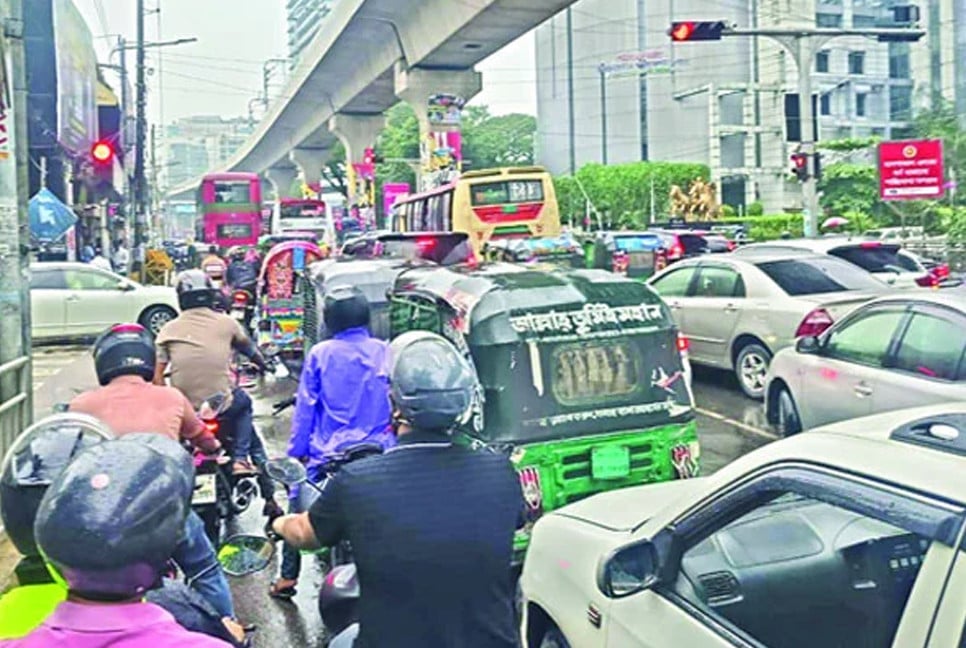
For more than a month now, there has been an outcry over gas shortages. Cooking has come to a halt in many households. Some people feel as though they have been pushed back into the Middle Ages, somehow managing their cooking on clay stoves. For those who rely on LPG cylinders, the situation is even more dire. LPG cylinders have become as rare as a golden deer. Most shops in the market do not have them, and where they are available, prices are exorbitantly high. As a result, low-income families have been forced to return to clay stoves as an alternative.
The government remains silent and indifferent. Titas Gas has discharged its responsibility by issuing a perfunctory statement. The Energy Adviser, usually very vocal, has chosen to observe silence on this issue. While people across the country are helpless due to the gas crisis, he is busy in the northern regions explaining to the public the importance of voting “yes” in the upcoming referendum. He seems to have no time to think about people’s suffering.
The advisers of the interim government speak at length every day on various issues. We, the common people, are often mesmerised by their advice. But where is the solution to our questions of survival? To whom do we turn? Who will tell us when the gas situation will improve, or when a little relief will return to our lives?
Ordinary people no longer want to talk about price hikes. They know there is no benefit in doing so. Recently, the price of rice has once again begun to spread fear among the general public. Within a week, rice prices have risen again in the capital’s markets. New rice is expected to arrive in the market in a few days, yet even before that, the price of old rice has increased by Tk3-5 per kilogram. This has caused serious discomfort for low-income consumers. Within a week, the prices of Miniket and Nazirshail rice have gone up by as much as Tk5 per kilogram. Depending on quality, locally produced Nazirshail rice is now selling at Tk72-85 per kilogram, which is Tk3-4 higher than a week ago. Imported Nazirshail rice has also risen by up to Tk3, now selling at Tk75-78 per kilogram.
At this time of year, Aus, Aman, and Nazirshail rice are usually expected to enter the market. Retailers say that typically, after the arrival of these new crops, the price of old rice increases by Tk1-2 per kilogram each year. This time, however, prices have increased by Tk3-4 even before the new rice has reached the market.
Rice is the staple food of Bangladesh. The entire market depends on rice prices. Instability in the rice market has spread throughout the market system. People are helpless – what are they supposed to do? Our Food Adviser is rarely seen. He is more of a bureaucrat than an adviser, and the wall between him and the people is as high as the Great Wall of China. Just as we cannot hear him over this wall, he too cannot understand our suffering. How, then, will people’s helplessness under the pressure of inflation ever concern him?
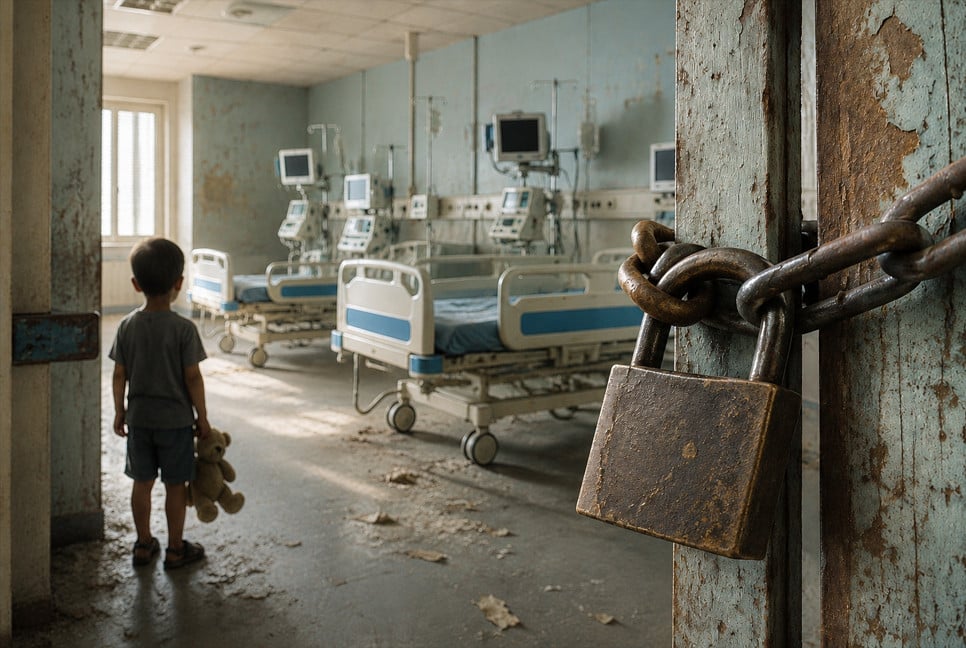
Medicines have now become a daily necessity in our lives. Very few families are fortunate enough not to have medicine expenses included in their monthly budgets. Yet the government exercises no real control over the medicine market. Recently, the government expanded the list of essential medicines. The number of drugs on this list has increased from 135 to 295, and these medicines are supposed to be sold at government-fixed prices. But who listens to whom? Government directives have no impact on the market. Arbitrary pricing of medicines continues as before.
Our Health Adviser has been largely invisible to the general public lately. He seems like a resident of a distant island. It is his deputy who speaks on all matters and who announced the expansion of the essential medicines list.
The government’s work seems to be limited to making announcements from within the Secretariat. There is no one to ensure whether these announcements are actually implemented. According to the law, this responsibility lies with the Directorate General of Drug Administration. But whenever questions are raised with the Drug Administration, they play the same broken record – shortage of manpower. The people remain trapped in this cage of excuses.
On one hand, public life has been devastated by a severe economic crisis. On the other, extreme insecurity prevails everywhere. No one in this country feels safe anymore. We are hostages to mob violence. Silent extortion is taking place in neighbourhoods and localities. From small shops to large industrial establishments, no one is spared from extortionists. If extortion money is not paid, mob violence begins, or people are harassed with false cases.
People are being killed everywhere – from the streets to inside their own homes. After such killings, we hear loud proclamations from those in power and observe a flurry of investigations for a few days. Then everything settles down, like a deflated balloon. Where will the people go? From whom will they seek justice?
An election is approaching. Election campaigning will begin on 22 January. Candidates from all parties will deliver many beautiful speeches. We will hear promises of public welfare and grand tales of development. But when will our helplessness come to an end?
When will ordinary people feel that this country truly belongs to us – that we are the real owners of this state?
Audite Karim is a writer and playwright. Email: [email protected]