The ongoing gas crisis has intensified the hardship of Dhaka residents, pushing up household expenses and disrupting daily life as many struggle to carry out basic tasks such as cooking.
With Titas Gas customers facing acute shortages in recent days, many households have been unable to light their stoves. As a result, residents are turning to alternatives such as rice cookers and electric stoves, while low-income families are resorting to traditional earthen stoves.
Despite continuing to pay monthly gas bills, households are now bearing additional costs for appliances, higher electricity consumption and firewood.
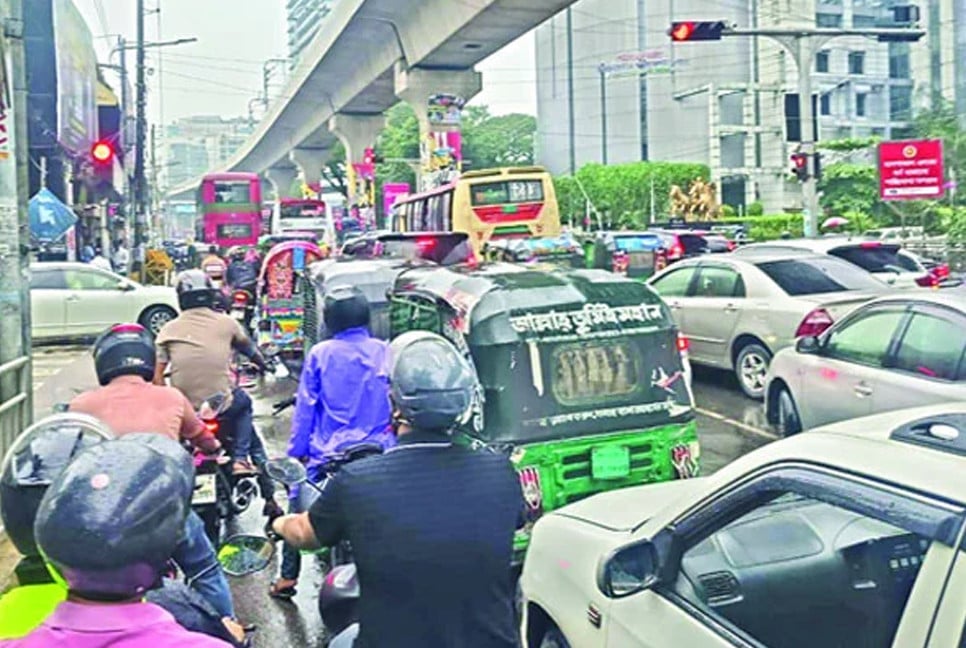
The impact of the crisis is also being felt across the service and transport sectors. Food prices at hotels and restaurants in several areas have risen due to shortages of natural gas and liquefied petroleum gas (LPG). At the same time, CNG station shortages mean drivers are often unable to refill even half of their required gas, forcing many to switch to costlier fuels such as petrol and octane.
The Bangladesh LPG Autogas Station and Conversion Workshop Owners Association authorities said that due to the acute LPG crisis, almost all autogas stations in the country have been practically closed. As a result, station owners and drivers of about 150,000 LPG-powered vehicles have suffered. Vehicle movement is being disrupted due to the lack of gas despite visiting the stations for hours.
The general secretary of the organization, Md. Hasin Parvez, told Bangladesh Pratidin that the situation at gas stations has worsened in the last two days due to the LPG crisis. Since Sunday, many stations in Dhaka have also not been supplied with gas.
“Half of the gas stations in the capital are not getting gas. In this situation, car owners are forced to switch from autogas and CNG gas to expensive fuels like petrol and octane. The supply of CNG gas at the stations is also very low. Due to the gas crisis, CNG gas station owners are now quite worried about their business.”
Shafiqur Rahman, a resident of Shaorapara, Mirpur, said, "The gas crisis in my house has been going on for a long time. This winter, the crisis is so severe that I can't even light the stove. I bought a rice cooker and an electric stove two days ago. This has also cost me extra. But the electricity bill will also increase
Electric stove traders in the New Market, Baitul Mukarram area of the capital said that their sales of rice cookers and electric stoves have increased in the last two weeks. People are flocking to the shops to buy these. The sellers said that if they cook at home with an electric stove, the electricity bill could be around 700 to 900 taka at the end of the month.
Due to the gas crisis, many people are now going to eat at the hotels and restaurants in the capital. Again, due to the crisis of LP cylinders, many restaurants are also having trouble preparing food. Taking this opportunity, some restaurant owners are increasing the prices of food.
Rahish Sheikh, an employee of a food shop in Pallavi, Mirpur, said, "There are no cylinders in the market. The ones that are available are expensive. For this reason, the prices of food have also been increased."
The Bangladesh Restaurant Owners Association is scheduled to hold a press conference on Tuesday regarding the current gas crisis.
Bd-pratidin English/TR