The upcoming 13th National Parliament election, scheduled for February 12, along with a referendum on reforms, presents a serious test for the country’s election administration and security apparatus. With only 36 days remaining, concerns are intensifying over the law and order situation, mob violence, and internal conflicts within political parties—factors analysts warn could undermine a fair, peaceful, and participatory election.
Observers fear that the use of black money, the circulation of looted weapons, and the involvement of escaped prison convicts could further complicate the electoral environment. Political analysts caution that without firm and timely action, these issues may become major obstacles to credible polls. Many have urged the government to adopt a strict stance and ensure the effective deployment of the armed forces if required.
As election day approaches, maintaining law and orders are becoming increasingly challenging, according to those involved in election monitoring. The risk of violence, intimidation, and clashes is rising in several areas. Experts stress that a strong and visible role by law enforcement agencies is essential to ensure voter safety and secure polling centres.
Recent incidents of mob and group violence have heightened anxiety. Violence triggered by rumours, incitement, or political disputes has the potential to destabilise the election atmosphere, spread panic among the public, and discourage voter participation. At the same time, internal conflicts within political parties—over nominations, leadership struggles, and factional rivalries—are increasingly spilling into the streets.
In many constituencies, clashes have already occurred among supporters of rival alliances, while counter-programmes are being organised almost daily. These developments are deepening divisions at the local level, with expulsions and leadership reshuffles taking place even at central party levels. Despite repeated warnings and calls for restraint from party high commands, tensions continue to rise, affecting the overall election environment.
Meanwhile, the government has placed the administration on the highest alert to manage the evolving situation. Advisors and special assistants are closely monitoring developments, and law enforcement agencies have received warning messages. Separate instructions have also been issued to deputy commissioners and superintendents of police to ensure heightened vigilance.
Dhaka University’s Department of Peace and Conflict Studies Chairman, Dr Sazzad Siddiqui, told Bangladesh Pratidin that law and order challenges, mob violence, and intra-party conflicts are major headaches for the government. He warned that black money, looted weapons, and escaped prisoners could be linked to election-related unrest. “It is extremely difficult for the police alone to control the situation before, during, and after the election,” he said, advising the interim government to take a firm approach and consider effective assistance from the armed forces.
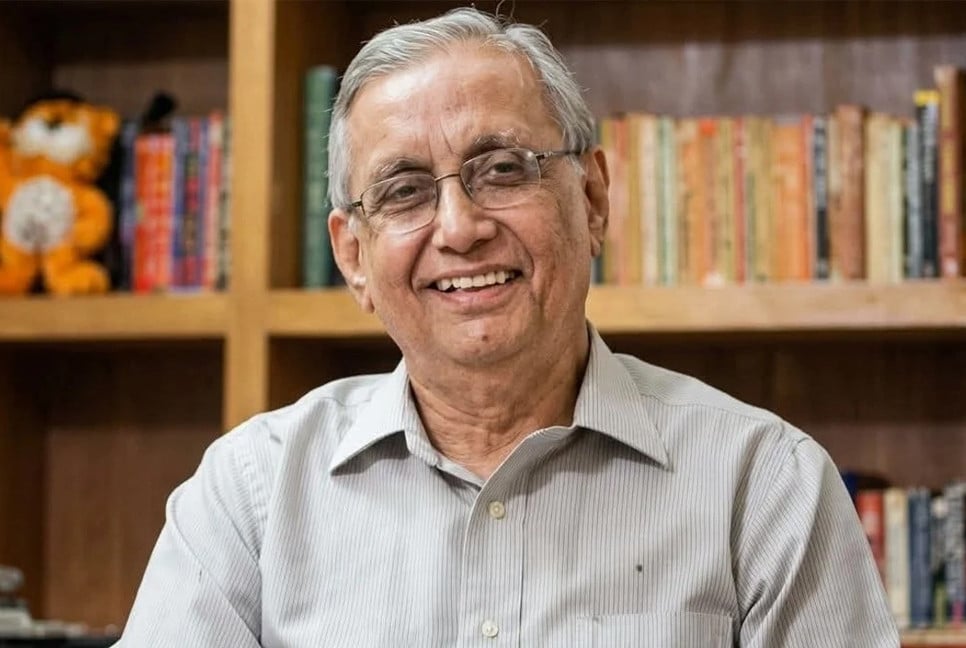
Security analyst and President of the Bangladesh Institute of Peace and Security Studies, Major General (Retd.) A.N.M. Muniruzzaman, also expressed concern. He said internal party conflicts are primarily the responsibility of party leadership, but law and order and mob violence remain significant challenges for the government. Pointing to gaps in intelligence gathering and surveillance, he stressed the need for an immediate security review. “Time is very short. These deficiencies must be minimised,” he said, calling for the establishment of a dynamic and coordinated security system.
Analysts agree that ensuring a credible election will require close coordination among the Election Commission, law enforcement agencies, and political parties. Strict enforcement of the law, political tolerance, and an active role by citizens are essential to delivering a peaceful and acceptable elections outcome.
Bd-pratidin English/ Jisan