Bangladesh Nationalist Party (BNP) is finalising its national election manifesto ahead of the 13th parliamentary polls, placing emphasis on eight priority areas alongside its previously announced 31-point state reform agenda and the July National Charter, party officials said.
Senior BNP leaders said the manifesto, currently in its final stages, is designed around what the party describes as a “politics of change”, with a focus on addressing everyday concerns of ordinary citizens.
Key sectors highlighted in the manifesto include family welfare, agriculture, healthcare, education, sports, environmental protection, employment creation and social support for religious leaders. Party insiders said these pledges are expected to add a “new dimension” to the upcoming election.
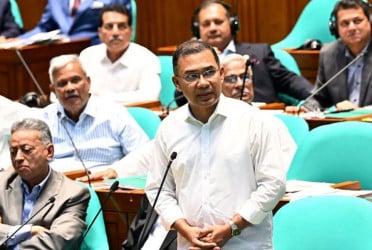
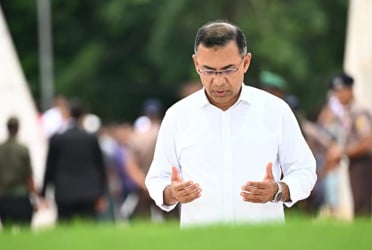
The manifesto will also reflect recent policy directions outlined by BNP Acting Chairman Tarique Rahman, according to leaders involved in drafting the document.
Political analysts said the eight-point focus could significantly influence voter behaviour, noting that while welfare cards have been introduced in limited forms in the past, BNP is proposing their expansion into new sectors such as healthcare, education and agriculture.
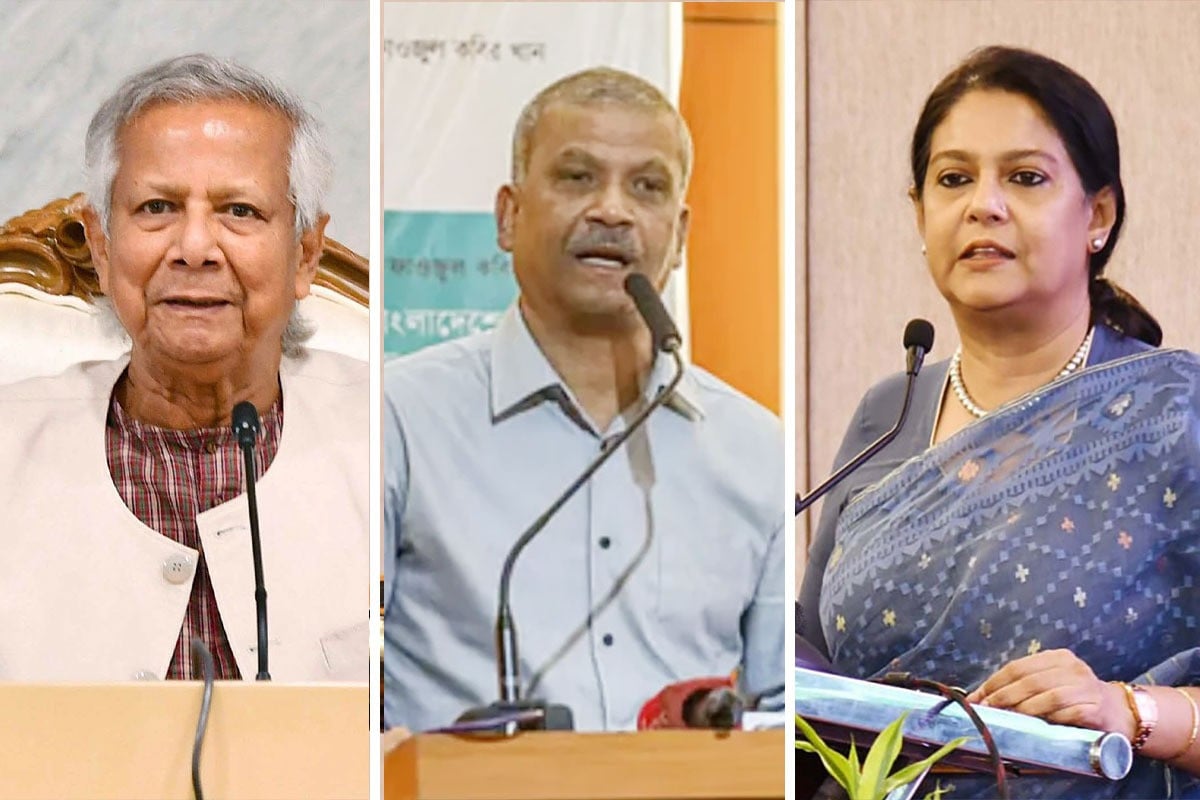
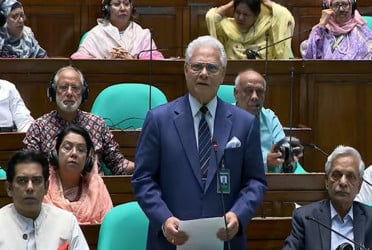
BNP Standing Committee member Salahuddin Ahmed told Bangladesh Pratidin that the party’s core commitments would include restoring democracy, restructuring governance, ensuring judicial independence, decentralising administration, protecting human rights and strengthening anti-corruption mechanisms.
“Our central pledge is to return ownership of the state to the people and build an administration free from partisan influence,” he said, adding that BNP’s proposals were “realistic and implementable”.
Another Standing Committee member, retired Major General Hafiz Uddin Ahmed Bir Bikram, told Bangladesh Pratidin that the manifesto reflects the party’s long-term vision for governance and economic stability. “People’s security and employment will receive the highest priority,” he said.
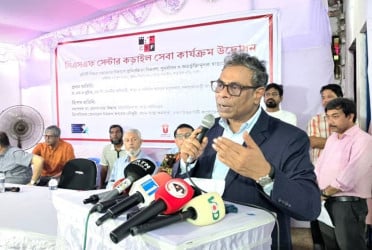
BNP Media Cell Convener Professor Moudud Hossain Alamgir Pavel told Bangladesh Pratidin that the February election presents an opportunity for political change, stressing that the party aims to promote rights-based and welfare-oriented governance.
He said that the next February election will be an opportunity for change. “This change will be a journey towards responsible politics, people's rights and a welfare-oriented state. The time has come for policy-based politics. The time has come for real change in the lives of the people. We firmly hope that the promises of eight issues will bring about that real change.”
BNP has started a large-scale information campaign program with the leaders and workers of the main party and affiliated organizations to present each issue of the election promises in detail to the people, including eight important sectors.
Five teams have been formed for this. This campaign will be carried out in coordination with the election management committee. They will go from area to area, door to door and deliver real information to the voters.
As a result, people will be able to know in advance what BNP has planned for the people. This will reduce the chances of wrong information, and voters will be able to make decisions easily considering their future.
According to Associate Professor Kazi Mohammad Mahbobor Rahman, Department of Political Science University of Dhaka, “A place of trust can be created among the voters and the people of the country through more focus on the eight important issues of BNP. The common people, who are in need and in danger, have never imagined that they will actually get such facilities from the state. Now, if a political party that has the possibility of coming to power wants to give citizens a card with such privileges, then a kind of excitement will be created among them.”
“Citizens will think that if they vote for the party that comes to power, they may get this card or the privilege. They will get the benefits that they are not getting now in the health or education sectors. Therefore, these initiatives are definitely positive for BNP,” he said.
The election manifesto is including BNP's 31-point main issues - independence of the Election Commission, protection of human rights, freedom of speech, transparent administration and restoration of the national economy - in detail.
Apart from this, the manifesto will also give importance to the plan to give full independence and neutrality to state institutions including the Human Rights Commission and the Anti-Corruption Commission in the light of the July Charter.
The party's campaign strategy was discussed in detail in the latest meeting of the national standing committee. Members of the policy-making circle expressed their opinions on what issues will be given special importance in the upcoming election campaign.
According to the strategy, BNP will conduct this campaign by targeting different classes and professions separately in the election campaign.
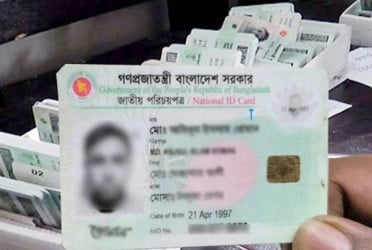
One of the most important promises in this year's manifesto is - Family Card. It says that if BNP comes to power, it will launch a family card in the name of the adult woman of each family, so that daily necessities are available at affordable prices. Each family will get food and essential commodities worth 2,000 to 2,500 taka per month.
As a result, the families will save some money. Through that savings, it will be possible to start small income-generating initiatives led by women members. Which will be a permanent path to women's empowerment and social security.
If the farmer card is launched, farmers will get fertilizer, improved seeds and agricultural technology at low prices. Along with this, easy credit and access to the market will be ensured. This will increase agricultural production, increase farmers' income and strengthen the country's food security. If farmers survive, the country will also survive.
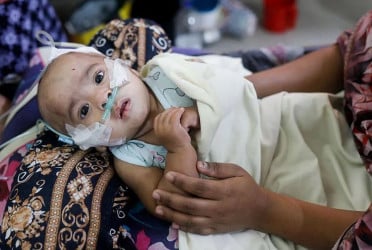
Regarding the healthcare sector, it has been said that BNP will provide primary healthcare to every person's doorstep and will build a strong primary healthcare network across the country. At least 1 lakh skilled health workers of various types will be appointed in phases. 80 percent of whom will be women. So that women and children can get services more easily. Primary healthcare will be the right of everyone, and it will reach every village, city ward and people's homes.
In education, the future of the youth will be improved through demand-based education, skill-based and technology-based education, not rote learning. Special priority will be given to primary education and the position and financial security of teachers will be improved. Real links will be created with the curriculum, industry and workplace. So that, the results of education can be used in real jobs and initiatives. BNP's main goal will be to increase work skills, not just certificates.
Regarding sports, it has been said that BNP will prioritize improving the quality of sports at all levels to make sports acceptable not only as a hobby but also as a profession. Sports will be made mandatory in schools and colleges and adequate sports teachers and trainers will be appointed. This will create new talent, provide new employment opportunities for the youth and reduce social harm.
On the environment, it is said that BNP will protect the natural environment by increasing renewable energy, waste management and recycling. In addition, 25,000 kilometers of canals and rivers will be excavated and re-excavated across the country to increase agricultural production and protect people from seasonal floods.
In employment, massive new job opportunities will be created in the SME, blue economy, agricultural product processing and ICT sectors. So that family income increases and the economy becomes stronger. BNP will make the information technology, e-commerce, artificial intelligence (AI), cyber security, gaming and startup sectors the main sources of employment.
At the same time, more youth will be sent for overseas employment by finding new opportunities in the foreign labor market and developing skills.
Regarding the services of religious leaders, it has been said that BNP plans to provide honorarium to religious leaders including Khatib, Imam, Muazzin and priests of other religions, clergymen of every mosque on a monthly basis, so that their standard of living improves. Financial benefits and assistance will be provided during religious festivals and special events.
According to Mahdi Amin, advisor to BNP acting chairman Tarique Rahman, the cost of living of the people is increasing, farmers are not getting fair prices.” Young people are wandering around unemployed, it is difficult to get quality services in health and education. Now is the time for politics that believes in deeds rather than words. BNP is moving forward with that preparation. BNP has now prepared an action plan for the improvement of the people's lives. So that work can be started immediately after coming to power.”
Bd-pratidin English/TR