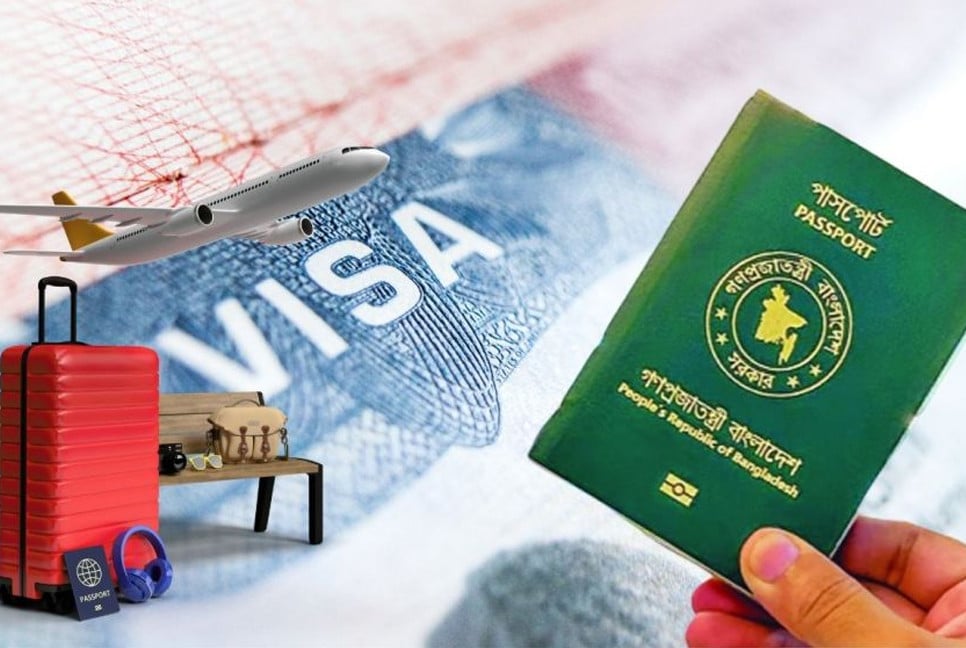
Shamim Hasan and his wife love travelling abroad. Whenever they get the chance, the couple travels overseas at least once a year. In November last year, they decided to celebrate the English New Year in Bangkok. Both of them applied for visas. They had visited Thailand four years earlier, so they applied without much worry, assuming the visa would be issued quickly.
But days turned into weeks after the application, and Shamim did not get his passport back. Taking the initiative himself, he enquired and learned that obtaining a Thai visa now requires a minimum waiting period of 45 days. As a result, the couple’s plan to celebrate the New Year abroad did not materialise.
Shamim is not alone. Many people are facing visa complications when trying to travel abroad. Several countries are reportedly refusing to issue visas upon seeing a Bangladeshi passport. Why is this happening?
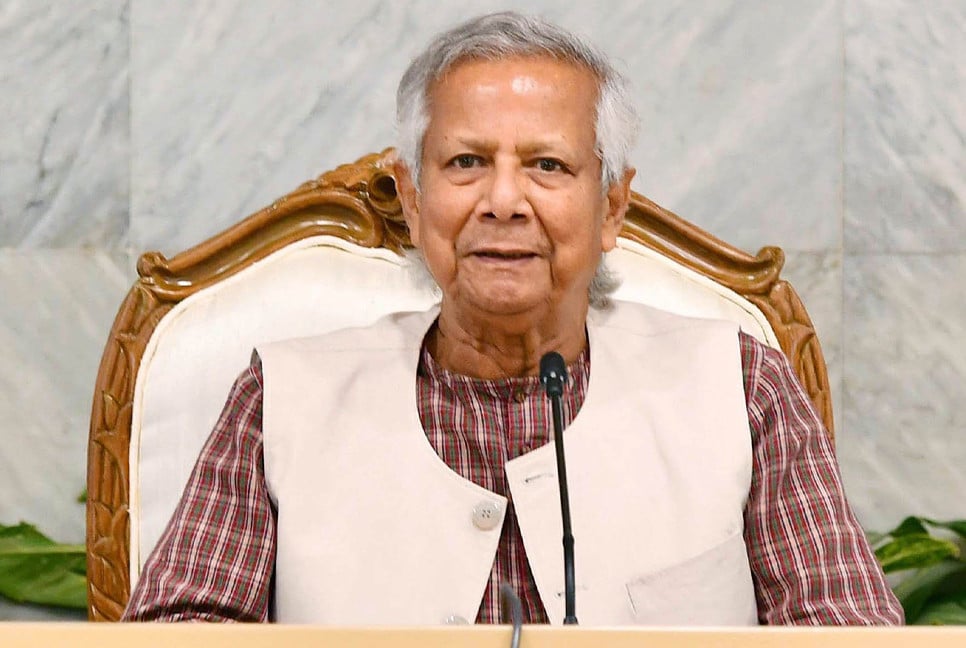
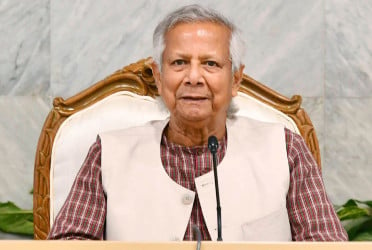
On 8 August 2024, Nobel Peace Prize laureate Prof Muhammad Yunus assumed responsibility for the country. He is widely respected and recognised across the world. Many had hoped that after the interim government took charge, foreign travel would become easier for Bangladeshis.
But in reality, the opposite has happened. One by one, doors are closing. Despite the absence of any formal sanctions, several countries are not issuing visas to Bangladeshis.
Many aspiring students, workers, and tourists have shared such complaints. Stakeholders in the tourism sector are also saying that countries are not issuing various types of visas, including tourist visas.
“India, the UAE, Qatar, Bahrain, Oman, Uzbekistan, Saudi Arabia, Vietnam – none of these countries are issuing visas to us,” said Md Rafeeuzzaman, president of the Tour Operators Association of Bangladesh (TOAB).
“Not only that, Thailand’s visa process takes much longer now. Singapore and Malaysia have a low visa approval ratio. The Philippines takes a long time. Indonesia’s visa fee is high. Even Sri Lanka, which used to provide visas on arrival, now takes two to three days to issue electronic visas,” he added.
Following the fall of Sheikh Hasina’s government amid a mass uprising on 5 August 2024, India suspended tourist visas for Bangladeshis due to the unstable situation.
While this decision is largely seen as political, stakeholders say that without any formal announcement, obtaining all types of visas from many countries in Europe, the Americas, and Asia has also become difficult.
Tourism business leaders say that such widespread visa complications across so many countries are relatively recent.
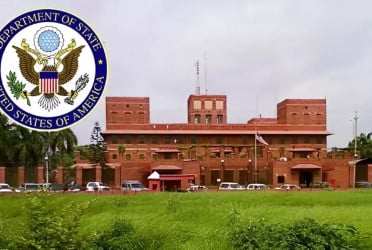
Tourism entrepreneur Mahiuddin Selim said that the United States usually issues 500,000 to 600,000 B1 and B2 visas to Bangladeshis every year. “But this year, I don’t think the embassy has issued more than 200,000 visas,” he commented.
“Whether it’s the US, Australia, or Canada, they issued many visas to us in 2023-24 – often valid for the full passport duration. But this year, they’re hardly issuing any visas at all,” Selim added.
Many Bangladeshi students have also faced similar situations. They tried for a long time to study abroad, even secured scholarships, but ultimately could not go because they failed to obtain visas. One such student is Tanzuman Alam Jhuma.
For more than a year, she tried to go to Hungary and the United States for higher studies. She secured scholarships but could not go to either country due to visa complications.
“I applied to Budapest in October. In January, I received a rejection. Then I applied for the US in January. From around last October to this November, more than a year of my life has gone into this,” she said.
Complaints are not limited to student visas. Even frequent travellers and labour migrants are finding it difficult to obtain work visas.
Industry insiders say that even countries like Vietnam and Indonesia – where visas were once easy to obtain – are now refusing visas in many cases.
Yet, apart from India’s tourist visa restrictions, there is effectively no formal visa ban imposed on Bangladesh by any country.
Analysts say that the tendency to misuse visas to move from one country to another has increased, leading to a decline in trust. In addition, public clashes and disputes involving political party activists abroad are damaging the country’s image.
While many believe that internal political instability is a key reason behind visa complications, analysts argue that the root causes run deeper.
According to them, authorities in various countries have noticed the trend of Bangladeshis entering countries irregularly, often using easily obtainable visas from one country to travel onward to another.
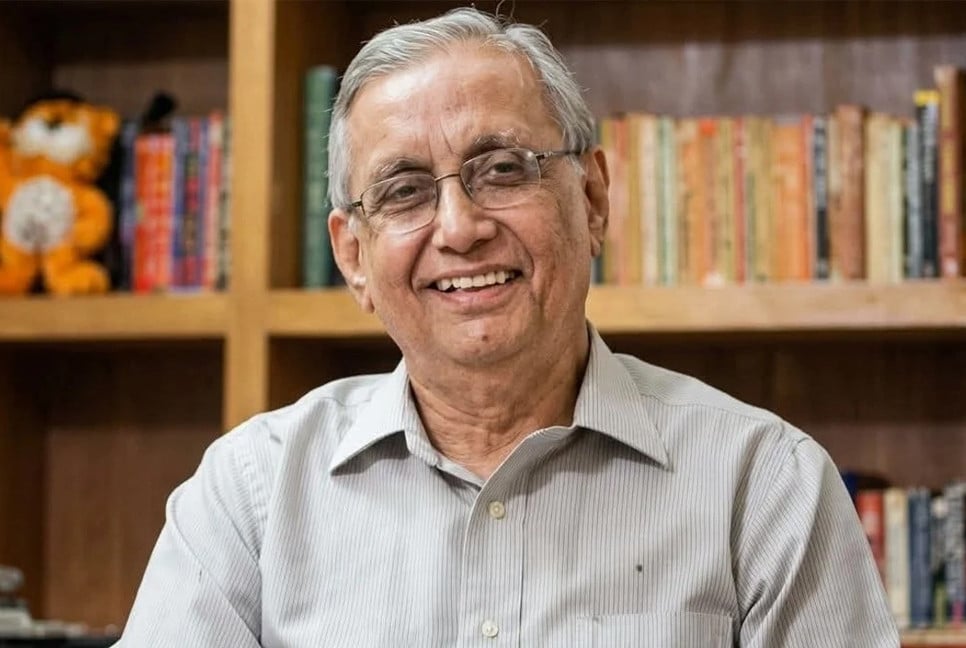
“Many people are travelling irregularly by misusing visa opportunities. Because of this tendency, even countries that are not strongly anti-immigration are becoming cautious now – such as Vietnam and Thailand,” said former ambassador M Humayun Kabir.
There are also allegations that some unscrupulous agents send people abroad on tourist visas and later convert them into labour visas.
Some believe that visa controls imposed on Bangladesh by neighbouring countries have made other countries even more cautious in issuing visas.
As a result, analysts say, the irregular or illegal actions of a small number of people are causing hardship for a much larger population.
At the same time, incidents of public altercations and disputes abroad are negatively affecting Bangladesh’s image, which is reflected in growing visa complications across many countries.
The issue of passport ranking also comes up in discussions on visa access. According to UK-based citizenship and residency advisory firm Henley & Partners, Bangladesh ranks seventh among the weakest passports in the world.
Bangladeshi citizens can travel visa-free to only 38 countries. Most of these are in Africa and the Caribbean, regions where Bangladeshis generally travel less frequently.
Moreover, following political changes and internal instability, the tendency to seek opportunities for illegal migration has increased.
In December 2024, due to limited Indian visas, the Chief Adviser of Bangladesh’s interim government requested diplomats to relocate visa centres for EU countries from Delhi to other locations.
Three months later, in March, visa processing for nine countries began from Dhaka. However, complications in obtaining visas from those countries persist.
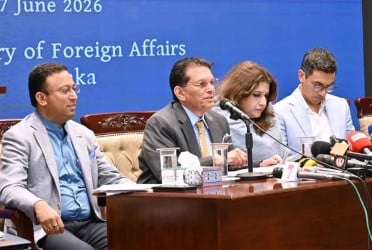
A few months ago, the foreign affairs adviser acknowledged the visa complications in the media and blamed the actions of Bangladeshis themselves.
But so far, no effective government initiative has been seen to address the situation.
Analysts say that visa complications with India are entirely political, and the situation is unlikely to change until an elected government comes to power.
However, there is scope for diplomatic initiatives with countries other than India.
Diplomats believe that visible action can be taken against those who send people abroad through dishonest means, as well as against those who engage in such practices.
To overcome this situation, analysts emphasise the need for visible domestic measures first, alongside diplomatic efforts to resolve the problem.
Bd-pratidin English/ ANI