American journalist John Reed’s widely acclaimed book “Ten Days That Shook the World” presents a gripping account of the final ten days of the Russian Communist Revolution of 1917. The book focuses on the events that took place between November 7 and November 17, 1917. While the last ten days in Bangladesh may not have shaken the entire world, they have brought renewed confidence and a powerful example of unity for the people of Bangladesh. During these ten days, Bangladesh has moved toward a new political alignment. The period from December 25 to January 4 has been unprecedented for the country—a convergence of grief and hope.
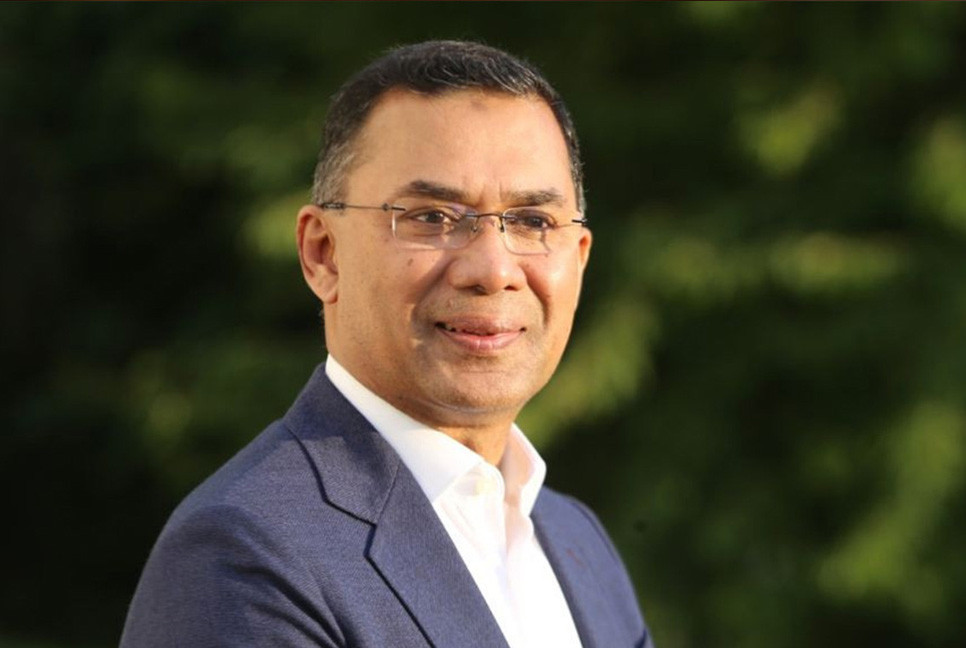
On December 25 last year, after spending 17 long years in exile, BNP Acting Chairman Tarique Rahman returned to his homeland. This return marked one of the most significant turning points in Bangladesh’s political history. Amid uncertainty over the election and following the death of Inqilab Mancha convener Sharif Osman Hadi, the country quickly descended into an atmosphere of instability and unrest. Widespread violence after Hadi’s death put the government under intense pressure. The deterioration of law and order made ordinary citizens anxious and fearful. In such a critical situation, Tarique Rahman’s return to Bangladesh was a firm step toward easing uncertainty and restoring stability.
In late November, Begum Khaleda Zia was admitted to Evercare Hospital in critical condition. At that time, a severe leadership vacuum was strongly felt in Bangladesh’s political landscape. Tarique Rahman’s return filled that vacuum. Upon returning to his beloved motherland and being overwhelmed by the love of millions, the BNP Acting Chairman called for unity in his first speech. He spoke of his vision for Bangladesh and expressed firm determination to move forward by setting aside hatred and vengeance. Through this, the people of the country found a new helmsman. Not only the people of Bangladesh, but also the international community concerned about the country viewed Tarique Rahman’s return positively. Influential international media referred to him as the “future Prime Minister.” His arrival removed uncertainty surrounding the upcoming national parliamentary election. An energized BNP began vigorous election campaigning, while other political parties also intensified their campaigns.
Just five days after Tarique Rahman’s return, on December 30 of the outgoing year, BNP Chairperson and uncompromising leader Begum Khaleda Zia breathed her last. The death of Bangladesh’s most popular leader plunged the nation into deep mourning. The interim government declared three days of state mourning and decided to accord her a state funeral with full honors. Begum Zia’s death united Bangladesh beyond all divisions. On the last day of the year, the country witnessed a historic moment as the largest funeral congregation in memory gathered for her janaza. Not only in Bangladesh, but globally, such massive public participation in a final farewell is a rare phenomenon. The love of millions in Begum Zia’s final journey proved that the people of this country are truly united. Her passing bound Bangladesh together in a single thread. This grief brought not only ordinary citizens but also divided political parties closer together. After her passing, leaders of various political parties, including the Amir of Jamaat, visited Tarique Rahman to express condolences. The people of Bangladesh expect such conduct from political parties—a culture that had long been in exile. Political differences will always exist, but mutual respect and courtesy must remain. This is political decorum. At the time of Begum Zia’s eternal departure, such courtesy reflected profound respect for this great leader. We hope such positive changes in politics will continue in the future. In this regard, it must be said that this was possible due to Tarique Rahman’s prudence and leadership. The way he engaged with leaders from across the political spectrum offers lessons for all.
Bangladesh was not the only one united in grief over Begum Zia’s passing; the entire world stood beside the country in mourning. This was particularly significant in the current context of Bangladesh. Diplomats from 32 countries came to pay their final respects. However, in the Bangladeshi context, the most important development was the visit to Dhaka by Indian External Affairs Minister S. Jaishankar. Bangladesh–India relations had recently reached their coldest point. Particularly after the death of Osman Hadi, relations between the two countries deteriorated sharply. The mutual summoning of ambassadors further escalated tensions. In such a critical diplomatic situation, Jaishankar’s sudden visit to Dhaka was like a ray of sunshine in the bitter cold. It was a major relief for Bangladesh. The manner in which Tarique Rahman engaged with foreign diplomats during such a time of mourning was highly encouraging.
The difference between Bangladesh before and after December 25 is stark. Before December 25, Bangladesh was wounded and deeply divided. People were anxious and disillusioned. Political parties were hostile and aggressive toward one another. The country was trapped in uncertainty. From December 25 onward, a new chapter seemed to begin. A divided nation became united. The walls of political division began to crumble. Uncertainty over the election dissipated. Instability declined. Over the past ten days, a silent revolution has taken place in Bangladesh. Qualitative change has arrived in politics. The people of Bangladesh have set a unique example of unity and solidarity. The world has witnessed a new Bangladesh. The return of one leader has transformed an entire country. Has the journey of a new Bangladesh begun from here?
Audite Karim is a Writer and Playwright
Email: [email protected]