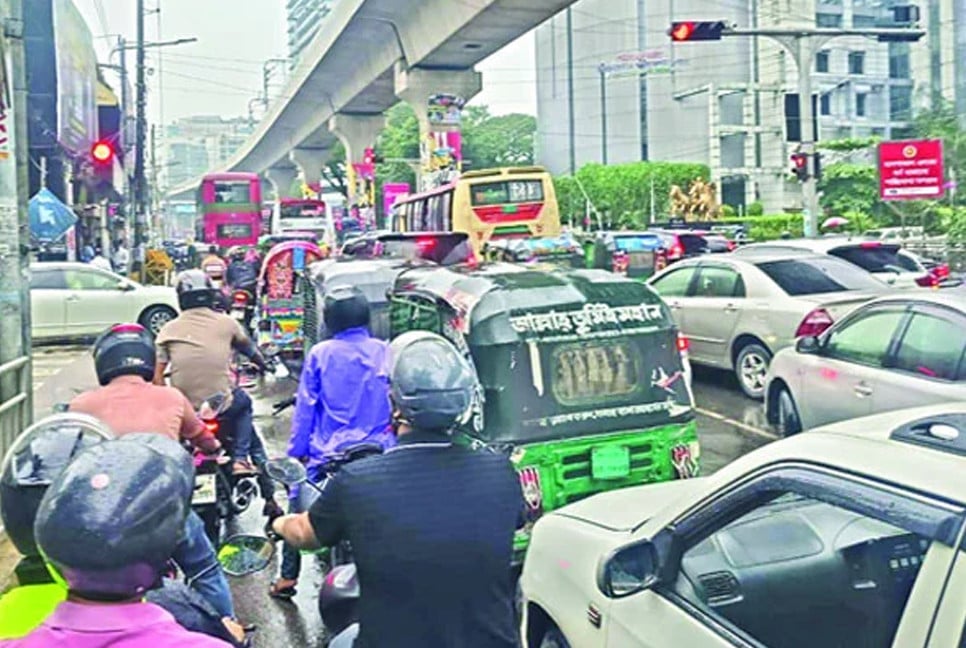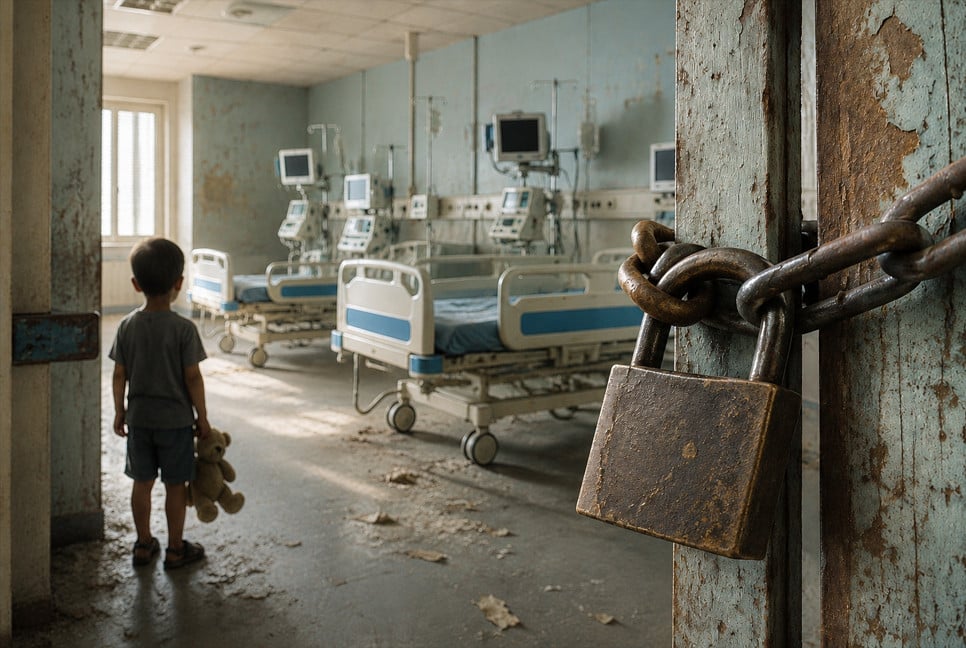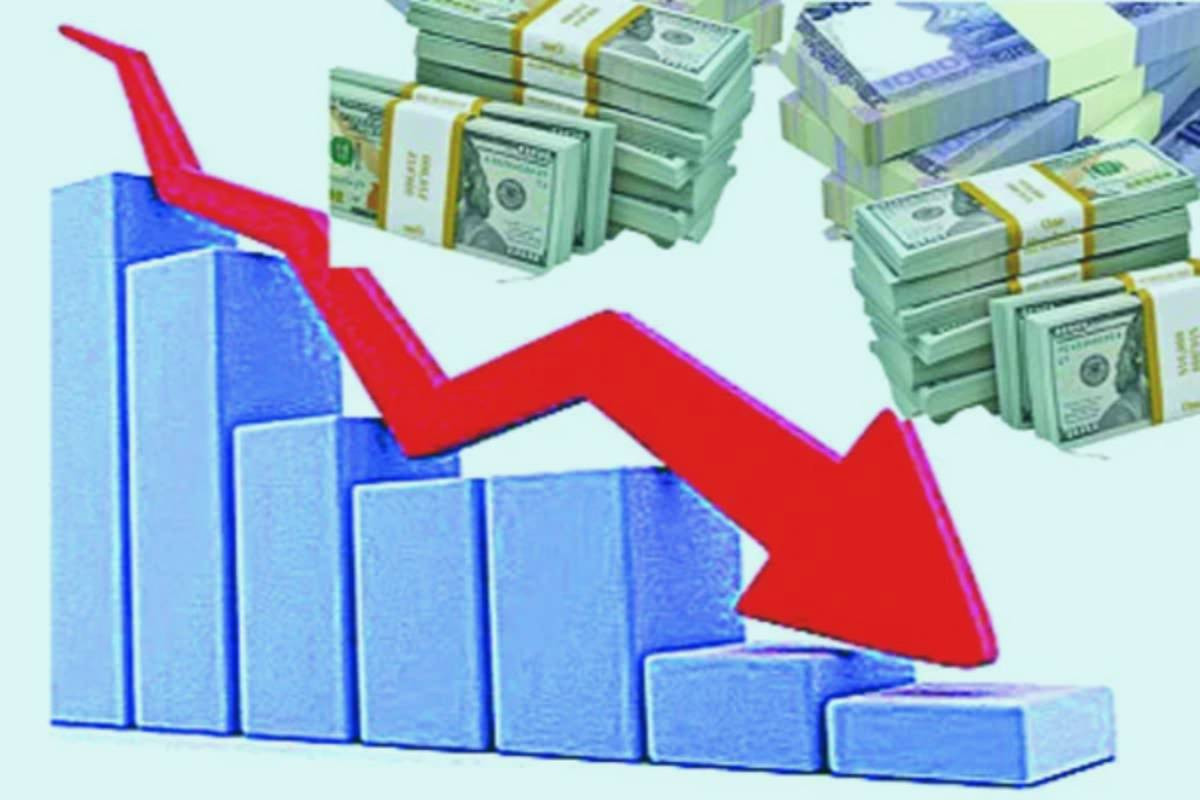
The country’s economy is in a deep crisis, driven by persistent inflation, stagnant wages, rising unemployment, weak investment, and severe stress in the banking sector. Although official data point to modest improvements, millions of low- and middle-income households continue to struggle as living costs rise faster than earnings.
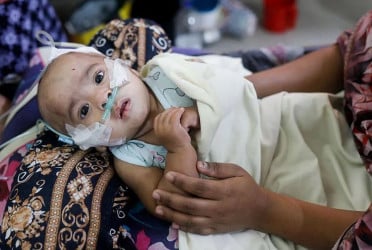
Prices of essentials—including rice, edible oil, vegetables, transportation, housing, education, and healthcare—now consume a growing share of household income. Wage earners and small business owners are especially affected, as their incomes have failed to keep pace with inflation, increasing financial insecurity.
Government figures show average inflation fell to 8.29 percent in November 2025 from 11.38 percent a year earlier. However, wage growth has stalled at around 8.04 percent, meaning the decline in inflation has not translated into higher real purchasing power for most people.
The interim government has introduced measures to stabilize the economy inherited from the previous Awami League administration, particularly by reforming the banking sector and rebuilding foreign exchange reserves. As of December 18, 2025, reserves stood at $27.88 billion, up from $19.95 billion in the same period of 2024. Exports, imports, and remittance inflows have also improved. Despite this, overall economic recovery remains elusive due to weak growth, low investment, and continued inflationary pressure.
Employment conditions are worsening. Formal-sector job creation is slow, while informal and temporary employment is expanding. Many firms are avoiding permanent hiring, increasing underemployment. More than 20 percent of people aged 15–29 are not in education, employment, or training, heightening concerns about long-term social and economic instability.
Investment remains one of the economy’s most fragile areas. Private-sector credit growth fell to a historic low of 6.23 percent in October 2025. High interest rates, elevated business costs, dollar shortages, and policy uncertainty have discouraged expansion. Foreign direct investment remains below 1 percent of GDP, limiting diversification and quality job creation.
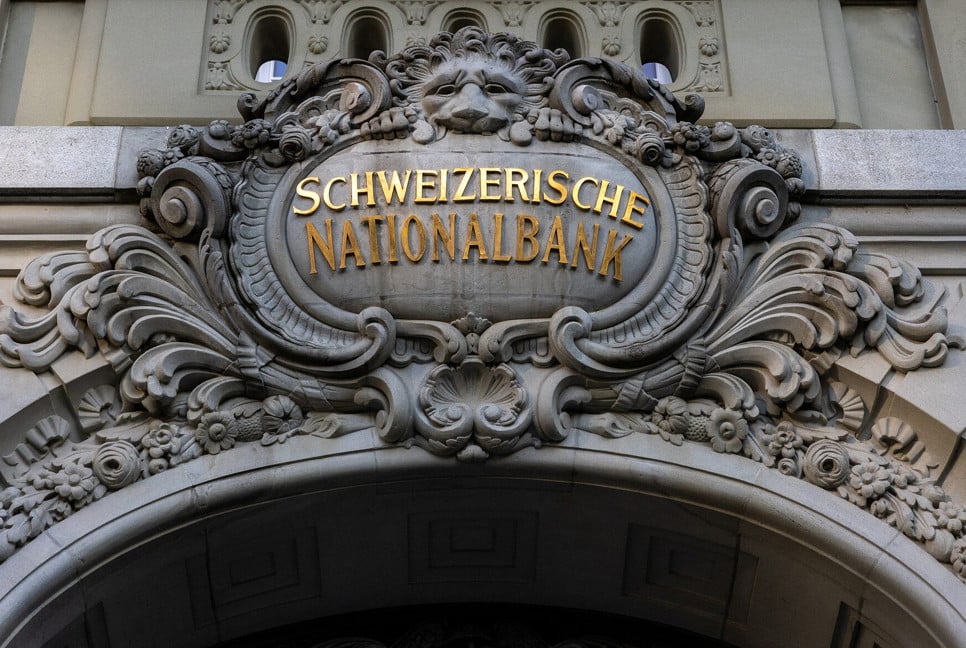
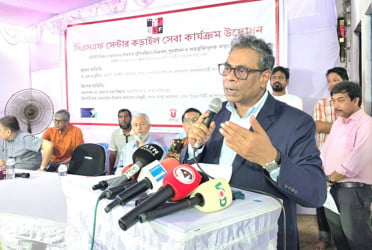
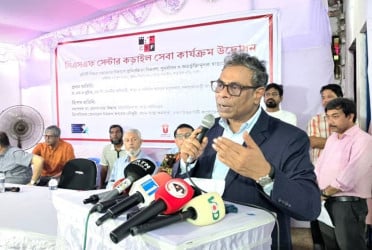
Former Dhaka Chamber of Commerce and Industry president Shams Mahmud said business confidence has eroded sharply. According to Bangladesh Bank data, defaulted loans reached 6.44 trillion taka by September 2025, accounting for 35.73 percent of total loans, up from 2.11 trillion taka, or 12.5 percent, in June before the change of government. He warned that repeated loan rescheduling has failed to curb defaults and has instead weakened accountability, deepening risks to deposits and financial stability.
Additional pressures—including the dollar shortage, depreciation of the taka, a weak tax system, rising debt, limited export diversification, corruption, governance failures, and global geopolitical tensions—have further strained the economy. Despite some statistical improvements, ordinary citizens have seen little relief.
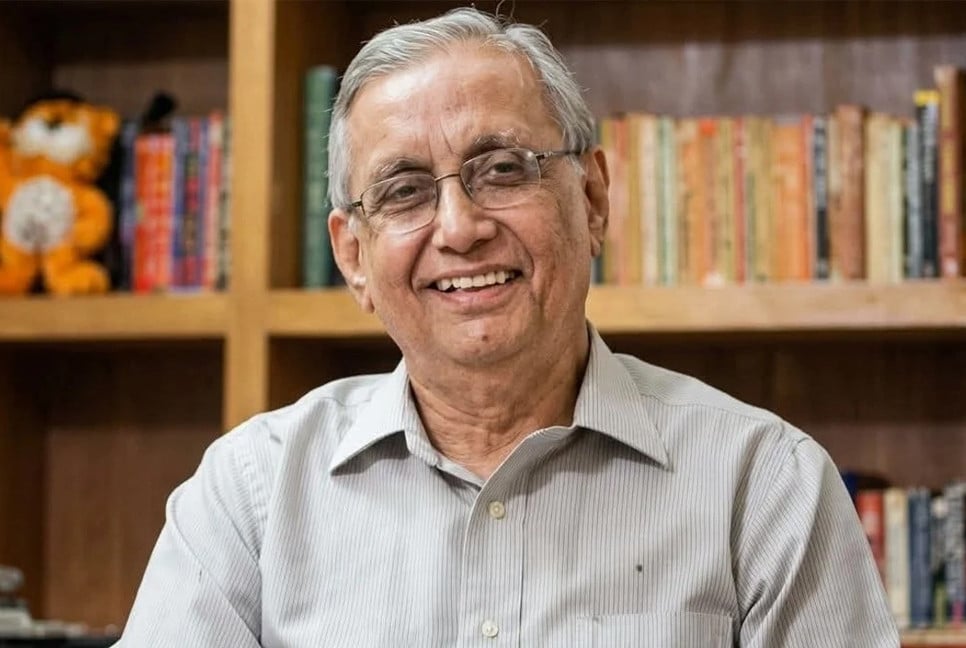
CPD Honorary Fellow Professor Dr. Mustafizur Rahman said private-sector investment has remained stagnant at around 22–23 percent of GDP for years, reflecting unresolved structural problems. He cautioned that without decisive reforms and stronger governance, investment, production, and employment will continue to suffer, making it difficult for the government to meet its growth targets.
Bd-pratidin English/ Jisan