After the July Mass Uprising, the interim government faced a difficult challenge to pull the country's declining economy out of the ground. To address that challenge, 2025 was supposed to be a year of reform and reconstruction. In the end, it appears that neither major structural reforms nor reconstruction have been carried out.
The government has taken some decisions that have broken the backs of the business and investment situation. Some initiatives have been seen in some basic sectors of the macro economy, such as remittances, export earnings, reserve growth, and the banking sector, but overall investment, employment, and improving the living standards of the common people have not achieved the expected success.
According to economists, businessmen, and entrepreneurs, there was uncertainty in business and trade in 2025. The manufacturing-oriented industrial sector has been damaged by adopting a tight monetary policy while giving utmost importance to controlling inflation. Private investment has fallen to the bottom. The income of the common people has decreased. Defaulted loans have reached a record high. Confidence has not returned to the capital market. Revenue collection has not increased. The promises made by donors have not been fulfilled. There has been no major initiative in financial sector reform.
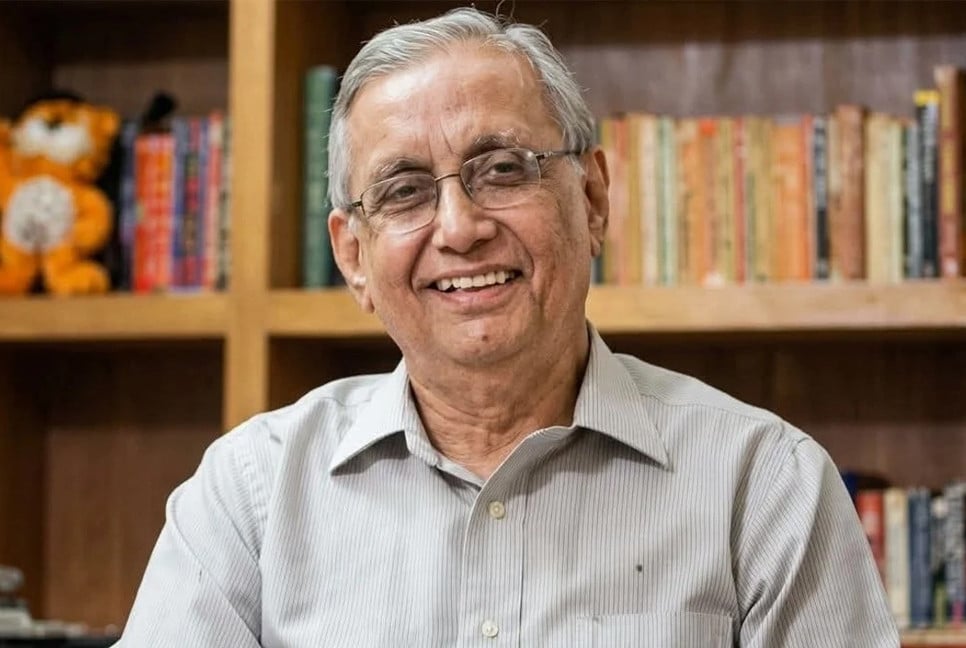
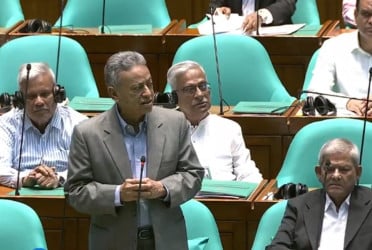
Former Vice Chancellor of Jahangirnagar University and eminent economist Professor Abdul Bayes said, “The people of the country thought that the law and order situation would improve after overthrowing a government, but that did not happen. Investment is not happening due to uncertainty. Businessmen are afraid to start new ventures. Manufacturing-oriented industries are closing down. There are no new jobs. People's real income is decreasing due to inflation.”
Unstable and uncertain business and trade: Businessmen and entrepreneurs say that throughout the year, in addition to the deterioration of the law and order situation, mob violence and unlimited extortion, businessmen have been harassed in murder cases and false cases. Factories have closed one after another due to various crises. Thousands of able-bodied workers have become unemployed. After the change in power, factories of several major industrial groups in the country have been closed. The owners of some companies have been arrested, or some have left the country. Although some factories have reopened, they have faced losses due to various reasons including capital and dollar crisis, lack of bank support, inadequacy of gas, electricity and raw materials, and decreased demand for products. The atmosphere of distrust that has been created in business and trade while trying to pull up the economy that has fallen into a slump has thrown the country's industrial sector into a disaster.
Fazlul Haque, former president of the knitwear export sector organization BKMEA, said after the July Mass Uprising, there was an expectation that all kinds of uncertainties would be removed as well as a stable environment would return to business and trade. However, there was political unrest throughout the year. The government had no control over law and order.
Investment at the bottom: Both public and private investments have been decreased. Although an investment conference was held in the country, no significant information on foreign investment was available. Credit growth in the private sector has gradually dropped to about 6 percent, which is the lowest in 22 years. The implementation of the Annual Development Program (ADP), one of the regulators of government investment, was also slow throughout the year. Due to the slow implementation of development projects, the government is going to make major cuts in the development budget for the current fiscal year. About Tk 30,000 crore may be reduced from the original ADP.
Damaged in production sector, people's income has decreased: According to the concerned people of the industry, the central bank has continued its contractionary monetary policy throughout the year, giving utmost importance to controlling inflation. The flow of money has been curbed throughout the year by increasing the policy interest rate. This contractionary monetary policy has stifled private investment and production-oriented industries. As the wage rate is lower than the overall inflation rate, the real income of the people has also decreased. At the end of the year, according to the BBS, inflation was 8.29 percent in November last year, while the wage rate was increased by just 8.04 percent. The common people are struggling to make their savings due to the decrease in income. Many are even withdrawing their deposits by going to the bank. According to Bangladesh Bank data, in August 2024, customers' net investment in savings certificates was Tk 2,360 crore, while in August this year, it decreased to only Tk 2,890 crore. That is, sales have decreased by more than 87 percent in a year.
Defaulted loans rise to all-time record: Defaulted loans in scheduled banks have broken all-time records. Updated data from the central bank says that more than one-third of the total loans of commercial banks are defaulted. As of last September, the total amount of loans distributed by the banking sector was Tk 18 lakh 3 thousand 840 crore. Of this, the amount of defaulted loans is Tk 6 lakh 44 thousand crore. This is 35.73 percent of the total loans. Those concerned say that the increase in defaulted loans has reduced the capital adequacy of the banks. As a result, the ability to distribute new loans has been limited.
Revenue income is low, donors have not kept their promises: The government has been suffering from a cash crisis throughout the year due to the failure to collect the desired revenue. Bank loans have been used to cover the salaries and allowances of officials and employees. Important projects have been put on hold due to the cash crisis. The donors have not fulfilled the promises made by various international partners at the beginning of the year due to the lack of political stability. The IMF has suspended loan installment waivers until the government is elected. Domestic revenue collection has been in crisis due to the agitation and subsequent layoffs of NBR officials on several issues including reforms. The target for revenue collection in the first five months of the current fiscal year was Tk 1,73,230 crore. During the period under discussion, revenue collection was Tk 1,48,976 crore. The revenue deficit in the first five months of the fiscal year stood at Tk 24,470 crore.
No announcement of Banking Reform Commission: The interim government had announced the formation of a commission to reform the banking sector as soon as it came to power. However, although there were commissions for various sectors, the Banking Reform Commission did not take place. Although the proposal for full autonomy of Bangladesh Bank was raised, it has been stuck in bureaucratic complications. There was no visible initiative to reform state-owned banks. After August 5 last year, there were no structural changes other than changes in the board of directors and MD positions of the banks. The interim government has followed the old path of capital support and loan replenishment to keep several banks alive. Some ordinances like the Bank Resolution Ordinance and the Deposit Protection Ordinance have been issued to merge several banks. According to that ordinance, five banks have been merged and their shares have been declared null. This has again angered the general shareholders of the capital market. The depositors of the banks could not be sure of getting their deposits back. The central bank has ordered the cessation of incentive bonuses for officials and employees to reduce the operating costs of loss-making financial institutions. Apart from this, no strong initiative has been seen.
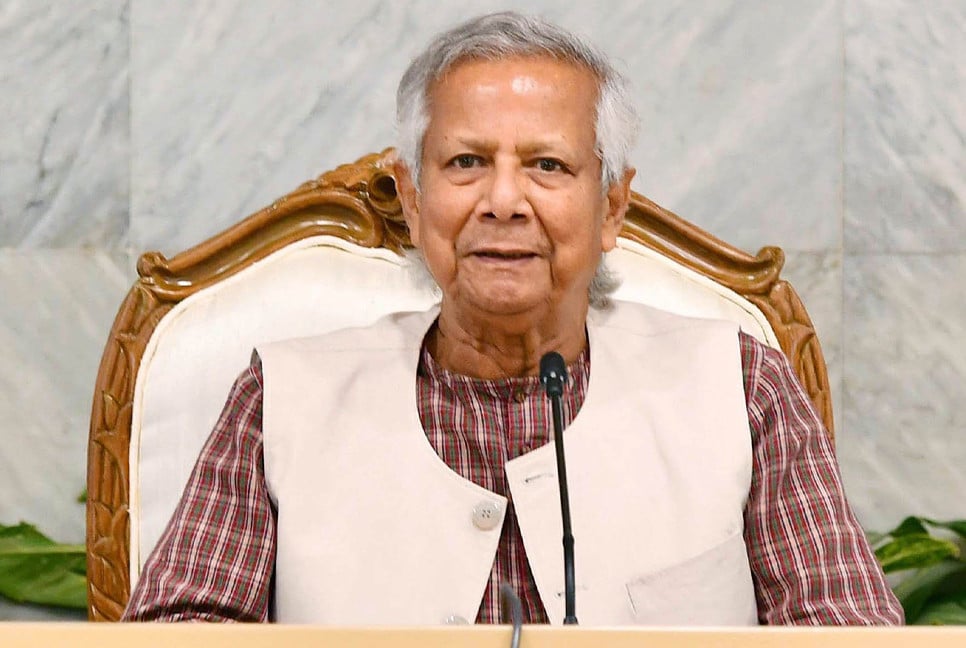
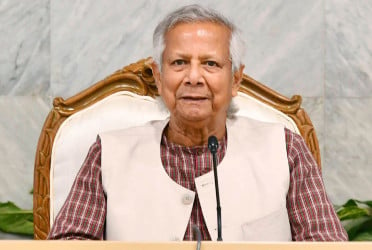
The Chief Advisor of the interim government, Nobel Peace Prize laureate Professor Dr. Muhammad Yunus, is himself an economist. Several economists have been appointed as advisors to the government. The people of the country hoped that Dr. Yunus would show magic and the troubled economy would turn around. He had announced on the international stage that he would make Bangladesh a 'Beacon of Hope' for the world. People's incomes would increase; prices of daily necessities would decrease. Incomes did not increase, but even the savings that were there were having to be broken down to run the family.
(Translated by Lutful Hoque)
Bd-pratidin English/Lutful Hoque