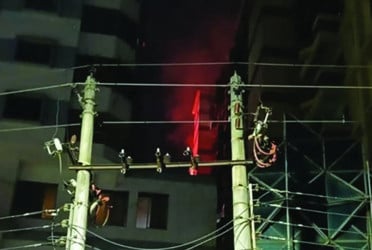
18 December was a black night for Bangladesh’s media. That night, miscreants carried out armed attacks on the offices of two of the country’s leading newspapers. Around midnight, criminals vandalised and looted the offices of Prothom Alo at Karwan Bazar and The Daily Star on Kazi Nazrul Islam Avenue. Both offices were later set on fire. As a result, neither newspaper was published the following day.
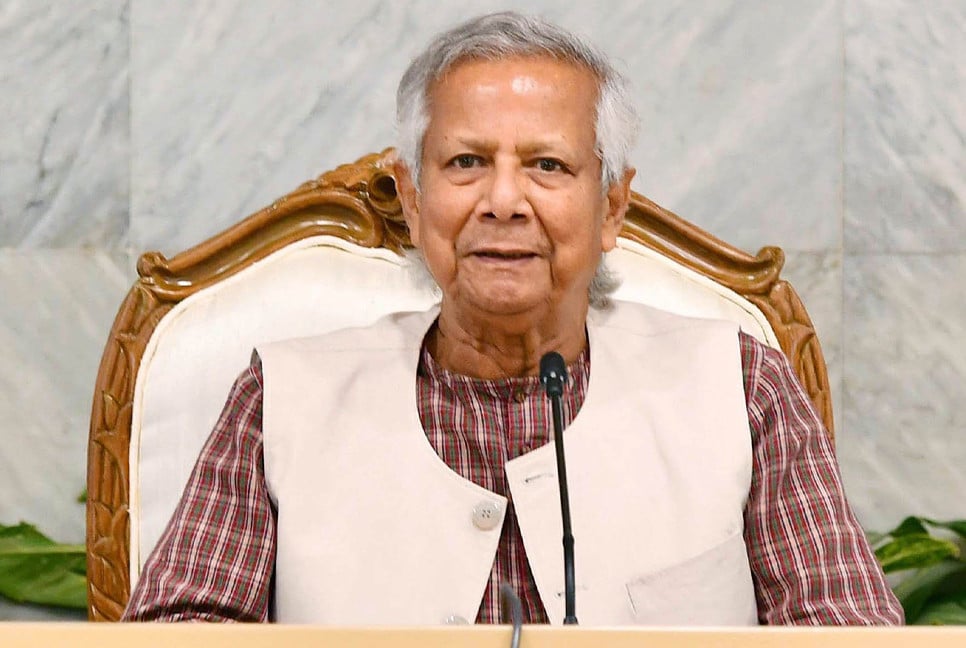
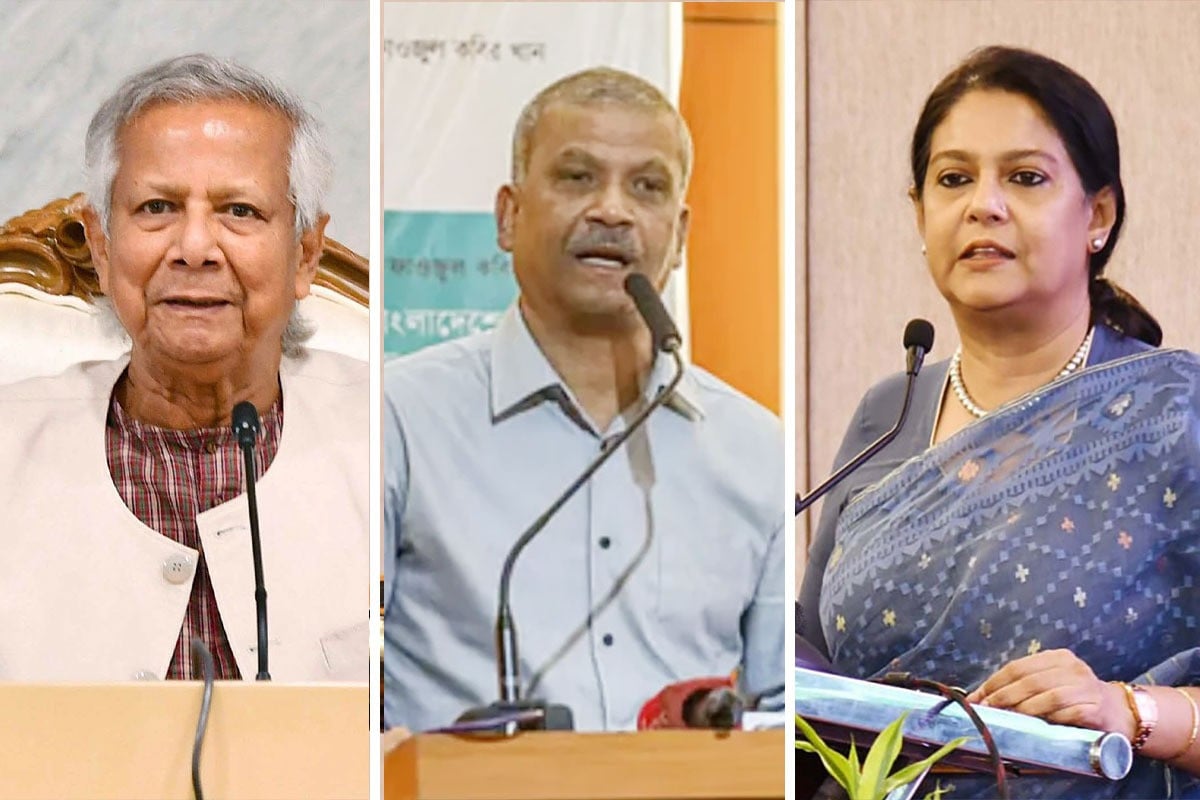
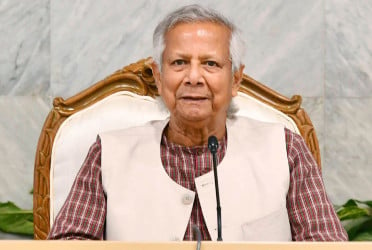
Following the attacks, on Friday, Chief Adviser of the interim government Prof Muhammad Yunus, spoke by phone with Prothom Alo Editor Matiur Rahman and The Daily Star Editor Mahfuz Anam. According to a press release from the Chief Adviser’s Press Wing, he expressed deep sympathy to the editors and said, “This unwanted and reprehensible attack on your institutions and journalists has deeply saddened me. The government stands by you in this difficult time.”Various political parties, including the BNP, Jamaat-e-Islami, National Citizen Party (NCP), Communist Party of Bangladesh (CPB), Ganosamhati Andolon, AB Party and others, condemned and protested against the attack. Almost all major human rights organisations around the world also denounced this barbaric assault.
This incident is unprecedented in Bangladesh’s history. As a result, free thought and freedom of expression have come under serious threat. Fear now prevails among media professionals. The media sector has already been facing multiple crises over the past year and a half, and this incident has left everyone stunned.
When the attacks took place, several journalists were working inside the offices. Prothom Alo employees managed to escape, but several Daily Star journalists took shelter on the rooftop to save their lives. They were later rescued by the army. That night, around 1am, Daily Star journalist Zyma Islam, who was trapped inside the building, wrote on Facebook: “I can’t breathe anymore. There is too much smoke everywhere. I am trapped inside. You are killing me.”
This was one of the most brutal attacks on the media in Bangladesh, but it was not the first. Since 5 August last year, Bangladesh’s media has been attacked in various ways.
On 19 August last year, the East West Media Group was attacked in the Bashundhara Residential Area of the capital. At the same time, 20-25 vehicles parked inside the office premises were vandalised. Around 2pm, a group of people armed with hockey sticks forced open the main gate, entered the office and carried out widespread destruction.
The East West Media Group complex houses the offices of Kaler Kantho, Bangladesh Pratidin, Daily Sun, BanglaNews24, News24, T Sports and Capital Radio. The attackers vandalised the Capital Radio office, damaging tables, computers and air conditioners. CCTV footage captured the attack, and images of the attackers were later released after reviewing the footage.
Following this incident, on 22 August last year, Bashundhara Group security officer Md Minhaj Uddin filed a case at Bhatara Police Station, naming and identifying the attackers in the complaint. However, over the past 16 months, there has been no progress in the investigation. Not a single identified accused has been arrested. Had these criminals been brought to justice at that time, mob attackers might not have dared to carry out such assaults. The horrific incident of 18 December might never have happened.
The failure to ensure justice for the 19 August attack on the East West Media Group complex emboldened criminals. They came to believe that attacking the media would bring no consequences – no one would speak up, no one would protest, and no justice would be served.
After the attack on the East West Media Group complex, the editors’ organisation, the Bangladesh Newspaper Owners’ Association, did not even issue a statement. This indifference and lack of protest have allowed attackers of the media to become increasingly brazen over the past year and a half. The ultimate consequence was the attack and arson at Prothom Alo and The Daily Star.
Since 5 August 2024, the media has been in its most miserable condition. Journalists feel more insecure and helpless than ever before.
Transparency International Bangladesh (TIB) has stated that media freedom has not been ensured during the tenure of the interim government. Instead, it says, control over the media has been imposed through various processes and methods. As a result, no effective steps have been taken to ensure the free flow of information and the public’s right to information.
In a recently published report, TIB noted that from August 2024 to July 2025, incidents of attacks and harassment against journalists, writers and human rights activists continued. During this period, 496 journalists were harassed, of whom 266 were named as accused in murder cases related to the July mass uprising. Three journalists were killed while performing their professional duties. In addition, more than 24 media workers were removed from their positions, over 150 journalists lost their jobs, and editors of eight newspapers and news chiefs of 11 television channels were dismissed.
TIB further observed that organised mobs were formed to create fear at various media offices. The government cancelled the press accreditation cards of 167 journalists in three phases. Journalists’ access was restricted following a fire incident at the Secretariat, and although the 2022 Press Accreditation Policy was amended, it did not become effectively media-friendly.
Over the past two years, attacks, vandalism and arson have taken place at BTV, 71 Television, Somoy TV, ATN News, ATN Bangla, Gaan Bangla, Bijoy TV and My TV. At the time, no one protested against these unwanted incidents. Everyone endured them in silence. This silence has emboldened criminals.
Over the past 16 months, a dangerous perception has taken root: attacks on the media go unpunished, and when mobs target journalists, no one protests. A terrifying culture of suppressing dissent and silencing opposing voices is spreading across the country. It is this culture that has left the media attacked and battered today.
In his first address after assuming office, the Chief Adviser spoke of media freedom, saying, “Criticise freely.” But today, media freedom is held hostage by mob violence. Media freedom is essential for democracy. Democracy does not flourish by suppressing dissent; it grows only when freedom of expression for differing opinions is ensured.
Audite Karim is a writer and playwright. Email: [email protected]