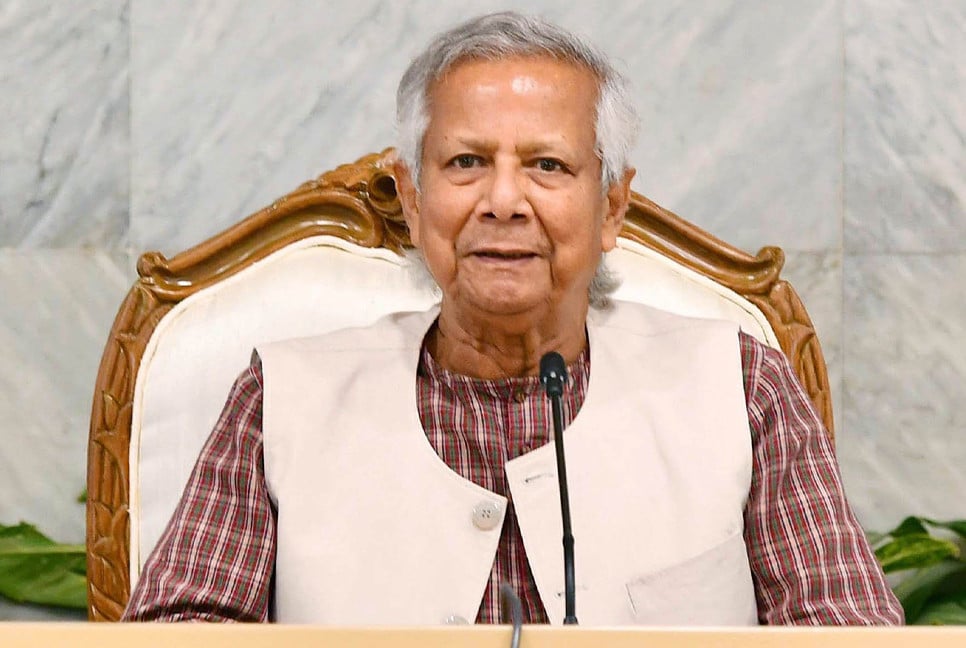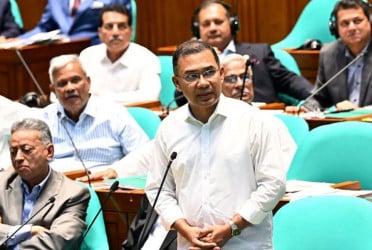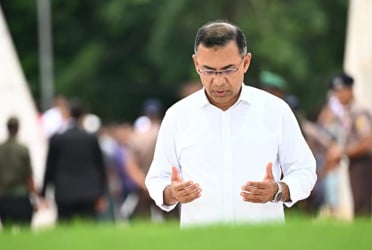
Even those who do not like Tarique Rahman would surely admit that there is hardly any form of character assassination that was not carried out against him after he was banned from making public statements during the period of authoritarian rule. As a result, it is understandable that a mixed perception of him has developed among the younger generation. Yet even those who dislike him will likely concede that people who have seen and heard him after 5 August can no longer hold on to their previous misconceptions.
It is undeniable that over time Tarique Rahman has successfully presented himself as a different kind of political leader. He speaks calmly, not in the conventional loud tone; his restraint when referring to opponents is commendable, and he never engages in personal attacks. Even when referring to other political rivals—including the principal figure of the fallen authoritarian regime—his language remains indirect and measured. That this tolerance is not merely for show becomes evident in the way he generously accepts satirical cartoons about himself, even encouraging artists to continue drawing them in the future.
These observations are important because people now seem to be finding a sense of closeness in him, feeling that he is “one of us.” His words are no longer seen as mere political promises. When he speaks about his political plans, the sincerity in his tone makes it clear that these are carefully nurtured dreams. His expressions and the language of his eyes reveal that these are genuine plans for the future. Critics may question how far these ideas can be implemented, but doubting the sincerity and purity of his intentions would be deeply unfair. He frequently speaks about his future plans if he comes to power. Recently, he has been spreading these ideas through party activists, giving particular importance to messengers from the new generation—from student organizations to the youth wing, women’s wing, and the main party.
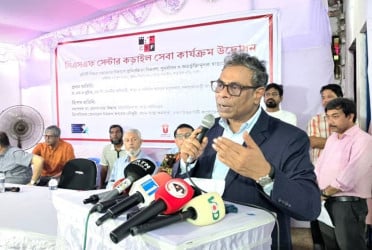
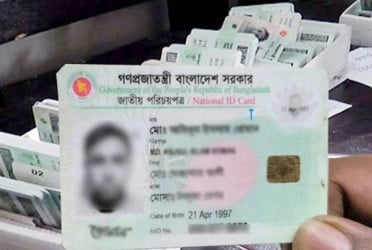
The name of this consultative program is “Plans for Nation-Building.” Over a week-long program at the Krishibid Institute in the capital, he trained leaders and activists of his affiliated organizations on eight critically important public-demand issues. The core objective of his “Family Card” initiative is to ensure food security for families while also establishing dignity and respect for women in society.
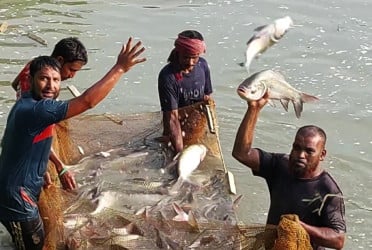
He has also spoken about a Farmer Card, which would provide marginal farmers with subsidized seeds, fertilizer, and pesticides, along with guaranteed prices for agricultural products. The plan includes access to agricultural loans at nominal service charges and seeks to include fishermen and poultry farmers as well. His other initiatives focus on health, education, the environment, and employment. The program also prioritizes environmental protection and honoring imams, muezzins, khatibs, and religious leaders of all faiths.
Discussing all these initiatives briefly risks misinformation. Therefore, this article focuses only on the “Family Card,” and the discussion should remain objective. How feasible is it? Is it merely idealistic? How will it be financed? Will it remain free from corruption? Will the truly poor benefit, or will it end up favoring those who are already better off? Most importantly, how sincere is he? Is this a genuine plan or simply another addition to the usual list of pre-election promises? Let us examine the analysis.
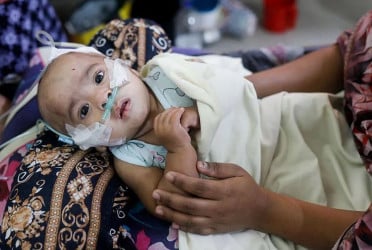
At present, nearly 20 million people in Bangladesh live in extreme poverty, and about 10 million of them do not get enough food. Around 88 percent of people are affected by rising prices of essential goods, most of whom belong to the middle, lower-middle, and lower-income groups. Thirty out of every 100 children suffer from malnutrition. These savings-deprived and malnourished families are often forced to resort to child marriage and child labor.
The question is: what has the government been doing all this time to address these issues? On paper, 23 ministries and departments operate nearly 140 welfare-oriented projects, with a total annual expenditure of 93.59 billion taka. The results, however, are disappointing. Statistics show that 62 percent of beneficiaries are neither poor nor vulnerable. Each program requires separate storage, transportation, distribution, and administrative costs—along with widespread allegations of corruption. Even the essential goods supplied by TCB are neither free nor sufficient to meet a family’s monthly needs.
Against this backdrop, Tarique Rahman has proposed the “Family Card.” The key question is how this initiative differs from existing welfare programs. The most important feature, according to the plan, is that the cardholder will be the female head of the household or homemaker. Why women? The aim is to honor and empower them. Experience tells us that women tend to be more frugal, use resources more responsibly, save money, and prioritize their children’s education. Therefore, if the Family Card provides financial benefits, women are the most suitable recipients to ensure proper use. This reasoning is difficult to dismiss.
One could go further and argue that the card would also provide women with a sense of security, reducing the risk of arbitrary divorce or abandonment. The next question concerns beneficiary selection. According to Tarique Rahman’s plan, eligibility will be determined based on household income, housing conditions, education level, type of sanitation facilities, and access to clean water. To ensure transparency, a second phase would involve open village meetings attended by local teachers, imams, and government officials, where families would be selected publicly. In the third phase, applications would be submitted through a mobile app, eliminating the need for beneficiaries to rely on favors or personal connections.
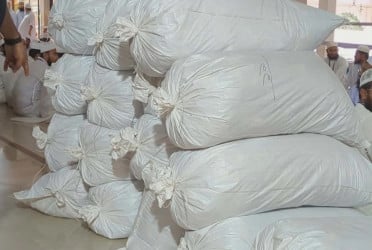
Now, what benefits would the Family Card provide? The plan proposes either 2,000 to 2,500 taka in cash per family per month or a monthly package consisting of 25 kg of rice, 5 kg of potatoes, 1 kg of lentils, 2 liters of edible oil, and 1 kg of salt.
According to their calculations, this quantity of food is reasonably adequate for a family of five. There is also optimism that as financial capacity increases, both the number of beneficiaries and the amount of assistance can be expanded. At first glance, the plan is clearly welfare-oriented. However, implementation will not be without challenges—securing 120 billion taka annually, correctly identifying eligible families, and ensuring proper distribution and supply.
The hopeful aspect is that once fully implemented, the project would eventually bring all families in the country—regardless of income level—under its coverage. This would reduce opportunities for corruption, stabilize prices of essential commodities, reduce market volatility, improve nutritional outcomes, and decrease dependence on imports as domestic production increases.
In conclusion, it appears that Tarique Rahman has thoroughly prepared this Family Card project. If it were merely an election gimmick, there would have been no need to discuss its advantages, drawbacks, and challenges in such detail. We too remain hopeful that a transformative initiative like the Family Card will succeed for the welfare of the country’s marginalized people and that its benefits will reach those who are truly deprived.
Tarique Rahman, the challenge before you is to prove that the Family Card is not just rhetoric. We want to be as optimistic as you are. We wait to see whether, through you, the legacy of fulfilling promises associated with the Zia family will be revived.
Author: Former Principal, Shaheed Ziaur Rahman Medical College, Bogura.