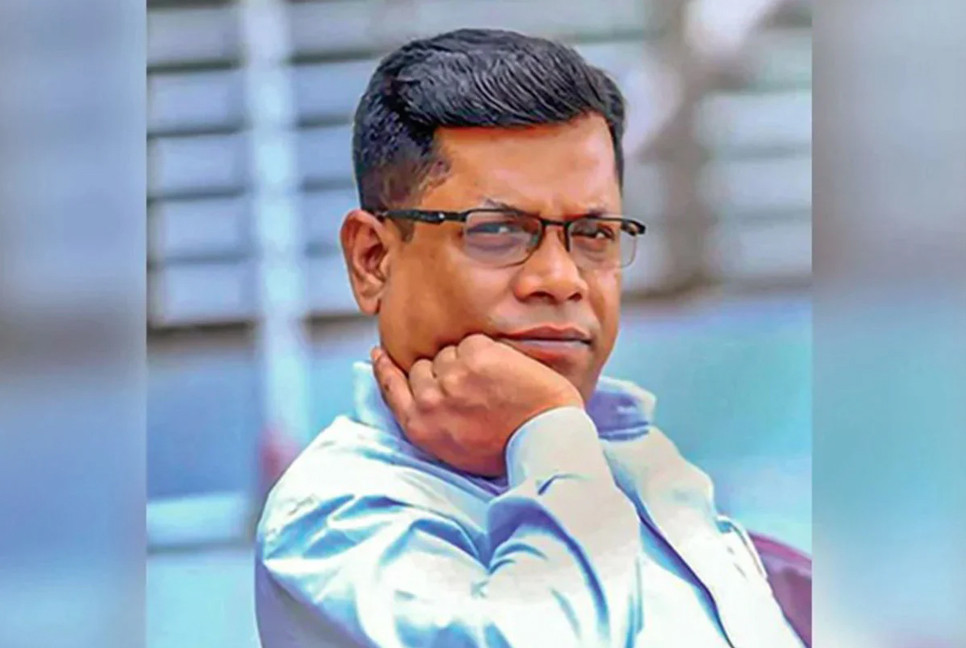
Two months after being shot in the stomach in the port city of Chattogram, BNP candidate Ershad Ullah has recovered and returned to the campaign trail. His family and relatives strongly oppose his continued participation, gripped by a grave fear of losing him. Adding to the anxiety, a day after the election schedule was announced, Sharif Osman Hadi—shot in the head in the capital—joined the list of victims.
Even candidates who have not yet been attacked or shot face a climate of fear. Bangladesh has long been familiar with disorder during pre-election periods, but the signs this time are more troubling. There is no alternative to cracking down hard on such acts of sabotage. This is a severe test for the country and the government.
Compounding the challenge is the tendency to instantly blame or condemn individuals after incidents, fuelling mob justice. Beating a journalist after branding him Hadi’s killer, or pointing fingers and chanting slogans against a candidate, only benefits the real perpetrators—and serves fascist forces.
The signs suggest that as the election draws nearer, their lawlessness will intensify. There are lessons to be learned from the Ershad Ullah and Hadi incidents. In both Chattogram and Dhaka, criminals clearly managed to get close to the candidates—staying nearby and moving in on their targets.
Preventing targeted killings is extremely difficult. The Home Affairs Adviser recently admitted there is no magic switch to stop them. There are open concerns that parliamentary candidates may be targeted; complaints have appeared in the media, been conveyed to advisers, and even sent in letters to the Election Commission.
The harsh reality is that in the year and a half since the revolution, there has been no visible, desired improvement in law and order. The level of review and understanding needed before or alongside the announcement of the election schedule was lacking. A large number of lost or looted weapons remain unrecovered. On top of that, direct incitement to sabotage—arson, dumping bodies, and creating disorder—continues regularly. Yet postponing the election is not an option. The election must be held. In this test, the government and the country must prevail. Without an election, the situation cannot improve. The election is the only path to realising the dream of democratic transition.
People from all walks of life are waiting for an election—not just to normalise business, trade and investment, but to move them forward. If the Election Commission and the government clearly demonstrate all-out efforts to ensure a free and peaceful poll, criminals will have nowhere to hide. Firm control of the situation and visible, decisive action to eradicate any sign of disorder are essential. Enough of soothing words and half-measures—action is needed.
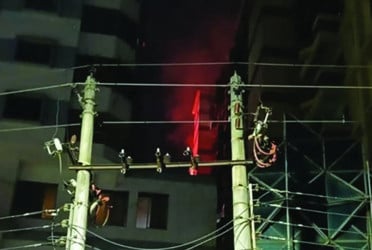
There are many people in the country with the mindset for healthy politics; seeing the right environment will give them courage. There are ample opportunities for business and investment, along with capable investors, and a vast number of young people ready to move things forward. It is the government that must provide them with confidence and assurance. Any gaps are being exploited by saboteurs, who are spreading their web of disruption. As the election approaches, they are becoming more aggressive—targeting ordinary citizens, shopkeepers, businesspeople and candidates alike. Candidates are being shot in the stomach and head; election offices are being set ablaze, including the Laxmipur District Election Office. How grave a pre-election act of sabotage is that?
In Chattogram, Ershad Ullah was targeted during public outreach. In Dhaka, video footage shows how Sharif Osman Hadi was shot while sitting in a battery-powered rickshaw, with the attackers calmly fleeing on a motorcycle.
Amid widespread concern, some advisers and policymakers insisted that law and order would improve after the schedule announcement. The Chief Election Commissioner urged citizens to exercise their voting rights without fear and stressed the need for a safe, festive environment. In reality, the opposite has occurred. These incidents cannot be dismissed as isolated; they are a warning sign for a free and fair election. The interim government also views them as attempts to derail the polls. Chief Adviser Professor Muhammad Yunus has been unequivocal: no violence aimed at obstructing the election will be tolerated.
That is what people want—and are waiting for. With few exceptions, the nation wants the government to stop tolerating and start acting. The students and citizens have already pledged their support. “We will not allow this conspiracy to succeed under any circumstances. No force can derail the upcoming election, no matter the storms,” said Nobel Peace Prize laureate Dr Yunus. That declaration must now be realised. Election-opposing forces resorting to chaos and sabotage is not unexpected; it is almost inevitable. Measures must be taken with this in mind. Otherwise, achieving not a historic, memorable election, but even a reasonably acceptable one, will be difficult.
Author: Journalist and columnist, Deputy Head of News, Banglavision