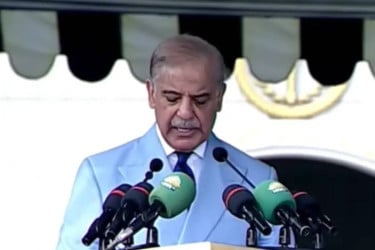
The long-awaited election schedule has finally been announced. On Thursday at 6 PM, in a nationwide address, the Chief Election Commissioner officially declared the dates. The national parliamentary election and the referendum will take place on February 12, with the last day for submitting nomination papers is December 29, followed by scrutiny from December 30 to January 4. Appeals against decisions made by Returning Officers must be filed by January 11 and will be resolved between January 12 and 18. The deadline for withdrawing candidacy is January 20. The final list of candidates, along with symbol allocation, will be issued on January 21, while campaigning will run from January 22 until 48 hours before polling begins---which means until 7:30 AM on Tuesday, February 10.
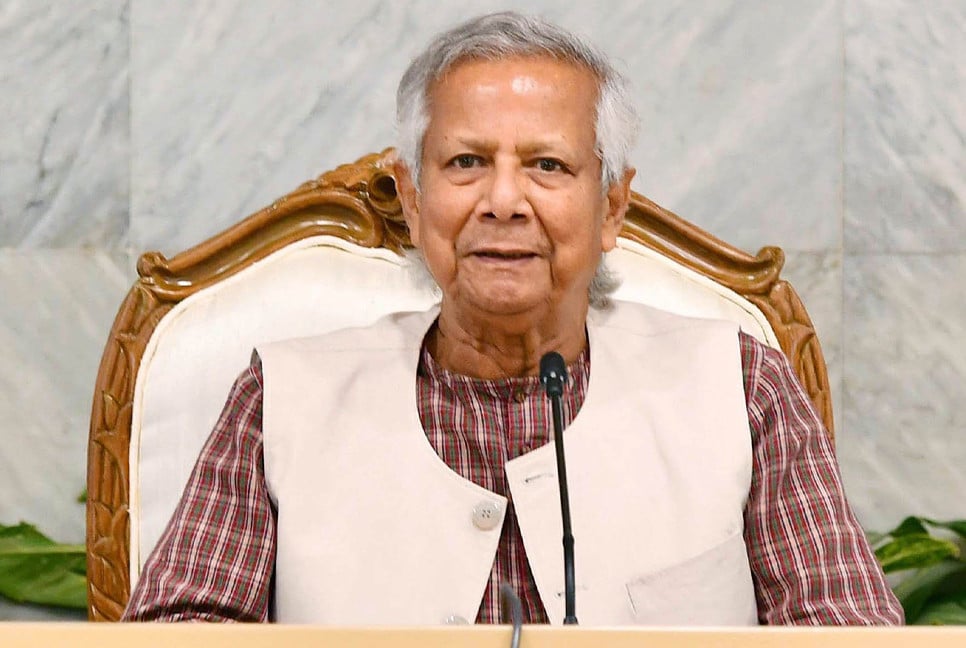
Following the announcement, political parties across the spectrum have welcomed the schedule, though they have emphasized the need for neutrality and a level playing field. The Election Commission has assured the public that the polls will be conducted impartially and with honesty, drawing on its institutional experience. The Chief Adviser, too, is taking steps to make the election atmosphere festive and inclusive.
However, the responsibility for delivering an election that is truly free, fair, and neutral does not fall solely on the government or the Election Commission. For this election to succeed, political parties must also play a constructive, responsible role, because it is not another contest of victory or defeat: the upcoming polls meant to fulfill the promise of the July Revolution, and political parties must demonstrate that their commitment to democracy is genuine. The February 12 election represents the culmination of a long movement for democratic restoration, and it is now up to the parties to ensure that it is conducted with integrity. Their focus should shift from winning at all costs to upholding fairness above everything else. To carry out a credible election, political parties must take on five key responsibilities.
First, voter participation is the foundation of a legitimate election. Only when people feel safe to vote freely for their preferred candidates can an election be considered fair and meaningful. It is therefore the duty of political parties to mobilize voters and bring them to the polling centers. Candidates must engage with communities and motivate voters to show up on election day. Citizens vote because they are inspired and encouraged by the parties they trust---not because from the government or Election Commission urges them to do so.
Second, to encourage high voter turnout, law and order must be maintained. Even with sincere efforts by the armed forces and police, election-time violence will persist if political parties and candidates behave irresponsibly. Much of the violence stems from candidates who rely on muscle power to dominate the field, while criminals, emboldened by the protection of influential candidates, act recklessly. Pre-election attacks on opponents create fear, undermine the democratic atmosphere, and destabilize security. Bangladesh has a long history of polling center and booth capture. If political parties fail to abandon this practice now, the election will lose credibility in the eyes of the public; a questionable election cannot produce a strong government.
Third, elections are political contests governed by rules. That is why the Election Commission has established a code of conduct. However, every election season, political parties compete to violate these rules, harming both the electoral environment and public confidence. Disregard for the code remains one of the biggest obstacles to a fair election. This election, however, is different, following a movement marked by sacrifice---young people shed their blood with the hope of transforming the state. Honoring this requires strict adherence to the code of conduct. Otherwise, this election will not be remembered as historic but as yet another disputed event that deepened public frustration.
Fourth, candidates must refrain from influencing the administration and those responsible for election duties. Attempts to intimidate or entice officials into acting on behalf of a particular candidate destroy neutrality. Whether out of pressure or personal interest, some officials lose their impartiality, damaging the credibility of the election. Political parties must pledge to stop interfering with administrative staff and abandon the practice of seeking out “their own people.” When candidates stop depending on biased administrative support, the administration will, in turn, be compelled to remain impartial.
Fifth, election season often elevates criminals, extortionists, and illegal occupiers within political parties. These individuals serve as enforcers, channeling both black money and muscle power into campaigns, and intimidate voters, extort businesses for election funds, warping the democratic process. This alliance between criminals and politicians not only disrupts the electoral environment but perpetuates a cycle of corruption, impunity, and institutional decay. If candidates rely on such actors instead of the people, democracy itself becomes compromised.
The Chief Adviser has fulfilled his promise by announcing the election schedule in early February. The responsibility now shifts to the shoulders of the political parties, who must prove their sincerity and commitment to democratic practice. An election is, after all, a game in which political parties are the players and the government and Election Commission act as referees. If the players themselves disregard the rules, the game cannot be fair. With the schedule now finalized, the greater burden lies with the political parties. The quality of the upcoming election, and whether it reaches its destination or derails midway, depends entirely on how they choose to act.
Audite Karim: Writer & Playwright